

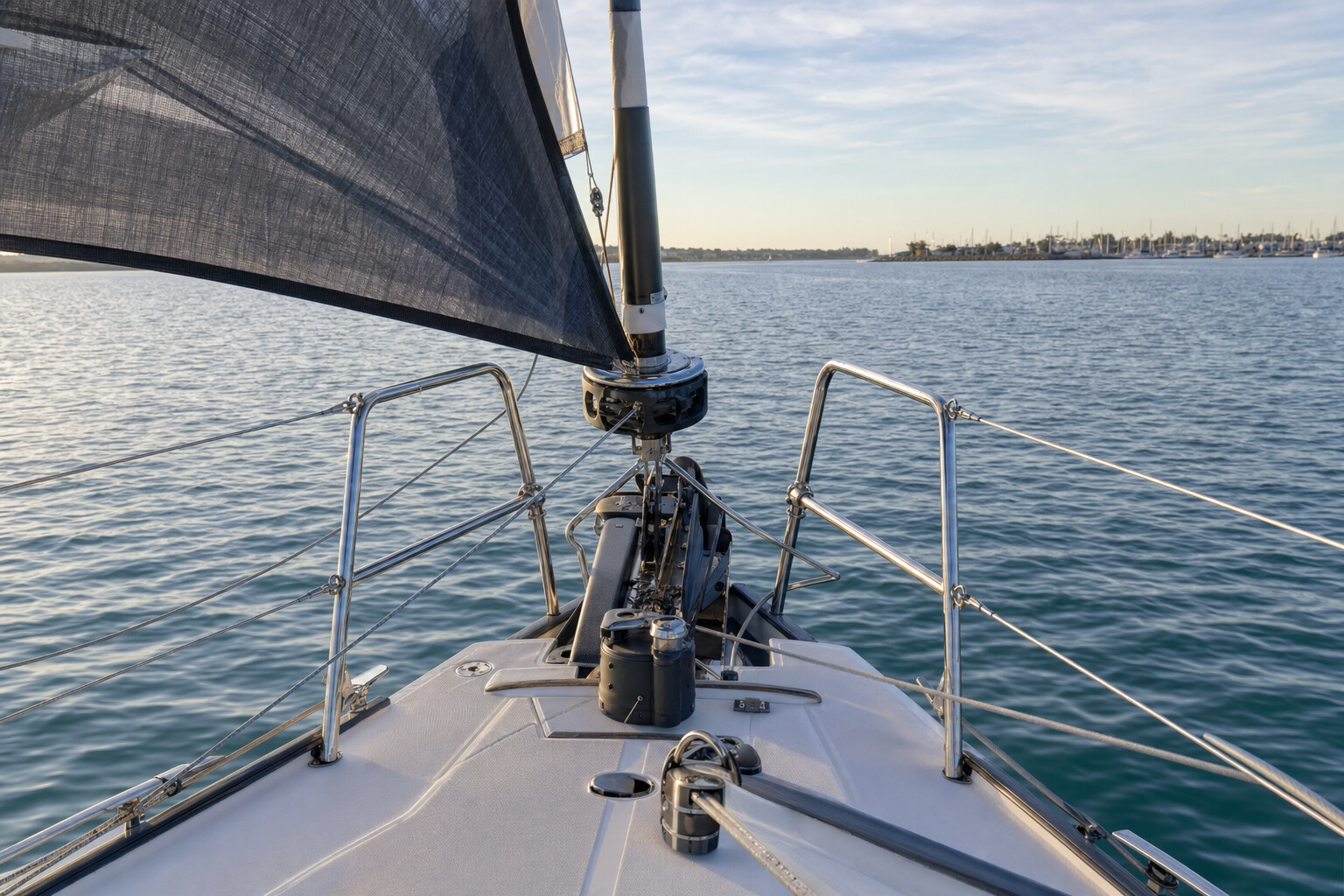
You've picked a Code 0, sized the furler for the sail area, and you're ready to order. Then you stand at the bow with a tape measure and realise there's nowhere to actually put the drum. The genoa furler is already sitting on the stem fitting, the forestay chainplate is inches away, and the bow roller is in the way of anything you'd bolt on. This is the part of adding a second furler that nobody mentions until you're the one holding the tape measure.
The bow you have wasn't built for two forestays
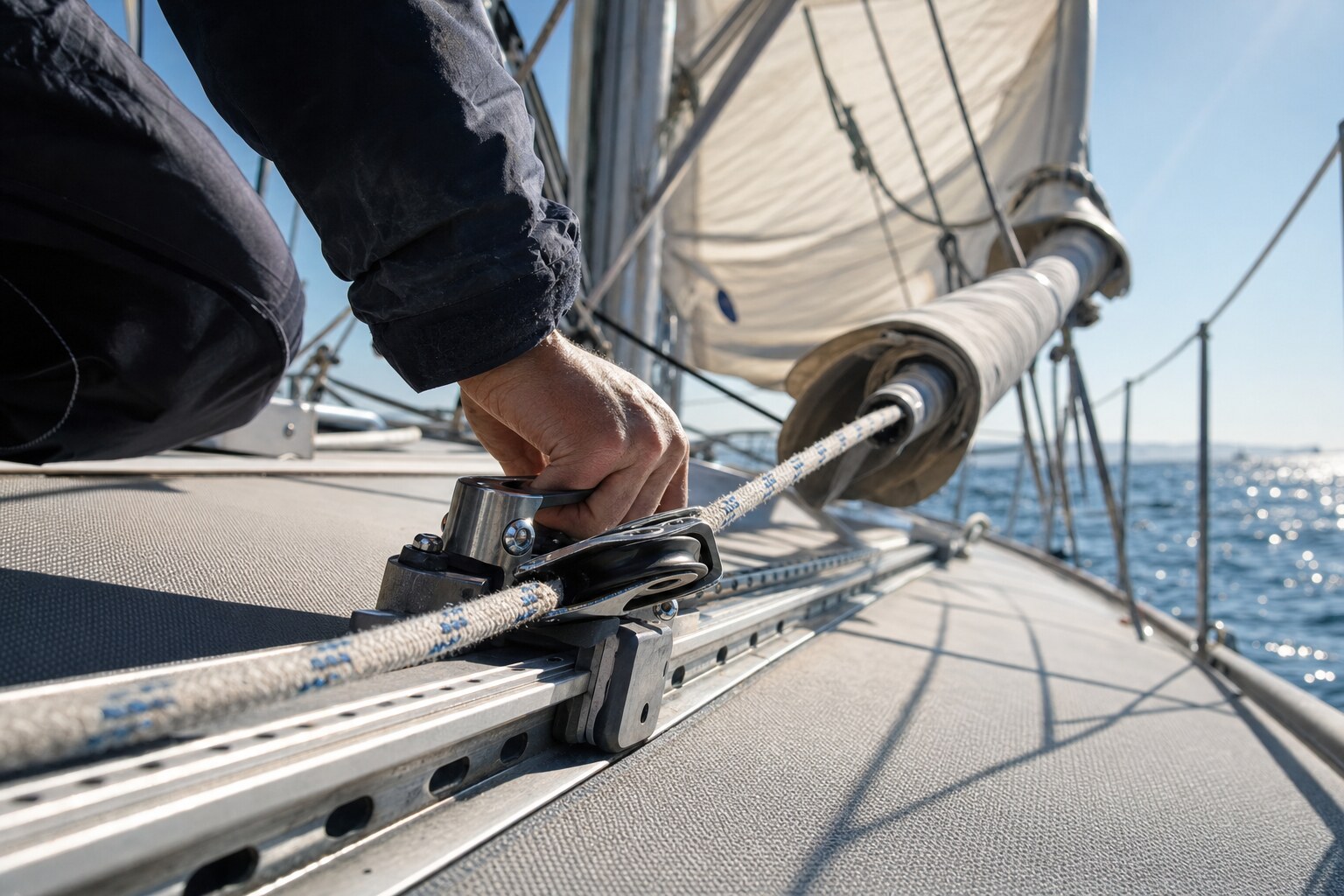
Most production boats between 30 and 50 feet leave just enough room at the stem for one furler: the genoa furler, bolted to a stemhead fitting that's already shared with the bow roller, anchor chain and pulpit. There's no spare padeye waiting for a second drum. Sailors who try anyway run into exactly this. On Cruisers Forum, one owner trying to fit a code 0 on a boat with an existing genoa furler found there simply wasn't room in front of it given how the stem fitting was built, and reported that Seldén told them their furler couldn't be used in that configuration at all. That's not a one-off complaint, it's the standard result of trying to bolt a second furler onto a bow built for one.
At 123Furling, this is one of the first questions we get from owners upgrading from a single genoa to a genoa-plus-code-0 setup: not which brand to buy, but where the second furler physically goes. For most boats, the honest answer is that it doesn't go on the stem at all. It goes on a sprit.
How much sprit you actually need
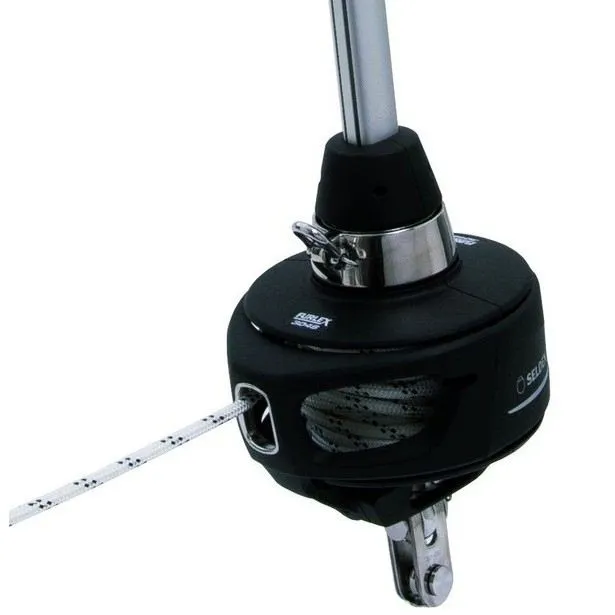
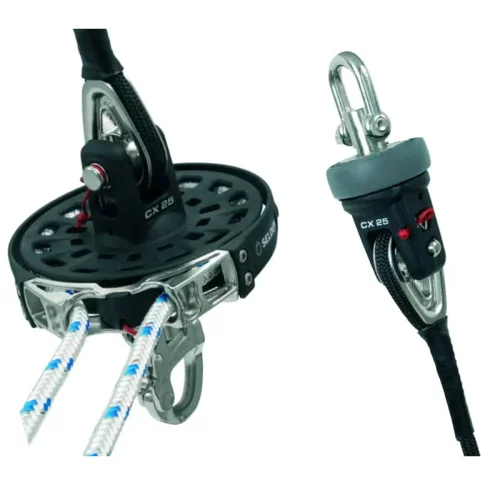
A code 0 needs clear air in front of the forestay to set properly, and the furler needs clearance from the genoa furler drum sitting below it. Seldén's own guidance for the Seldén CX and GX systems is to fit the furler to a retractable bowsprit specifically to gain that clearance, rather than squeezing it onto the bow itself. As a rule of thumb, a fixed single-tube sprit needs roughly half its total length mounted back on the foredeck to support the outboard half without a bobstay, and that only holds for moderate loads. Retractable carbon or aluminium sprits between 0.5 and 1.2 metres cover most 32-45 foot cruisers; boats chasing serious code 0 area, or running a screecher on a catamaran, often need more reach than that.
A short fixed sprit is the cheapest fix and works fine if you're not planning to gybe the sail aggressively. A retractable one costs more and adds a moving part, but keeps the anchor locker and bow roller clear when you're not flying the sail, which matters a lot if your primary anchor already lives on that same bow fitting.
Genoa furler position decides how much room you have to work with
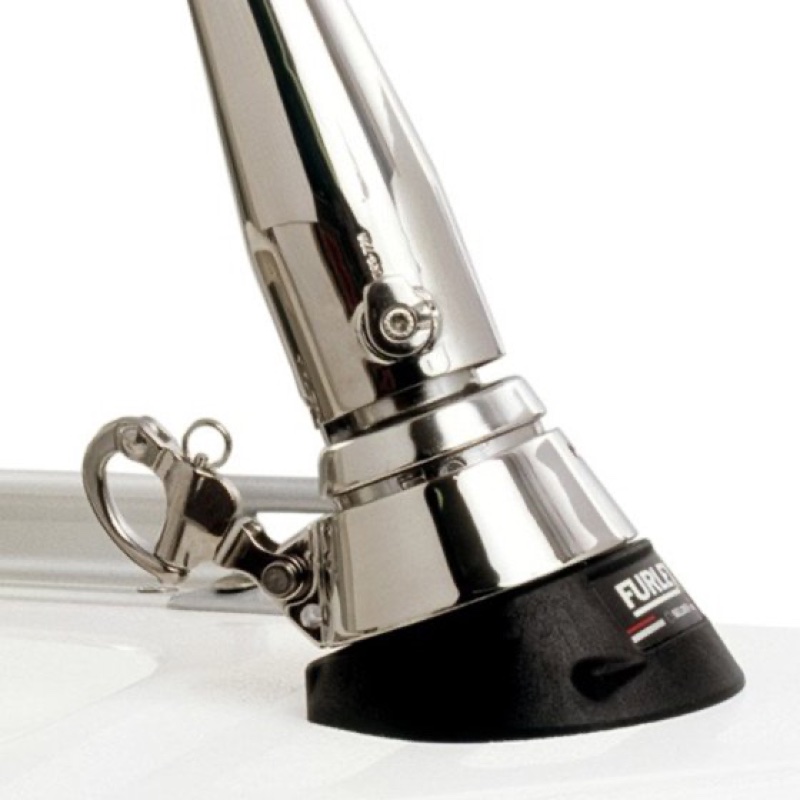
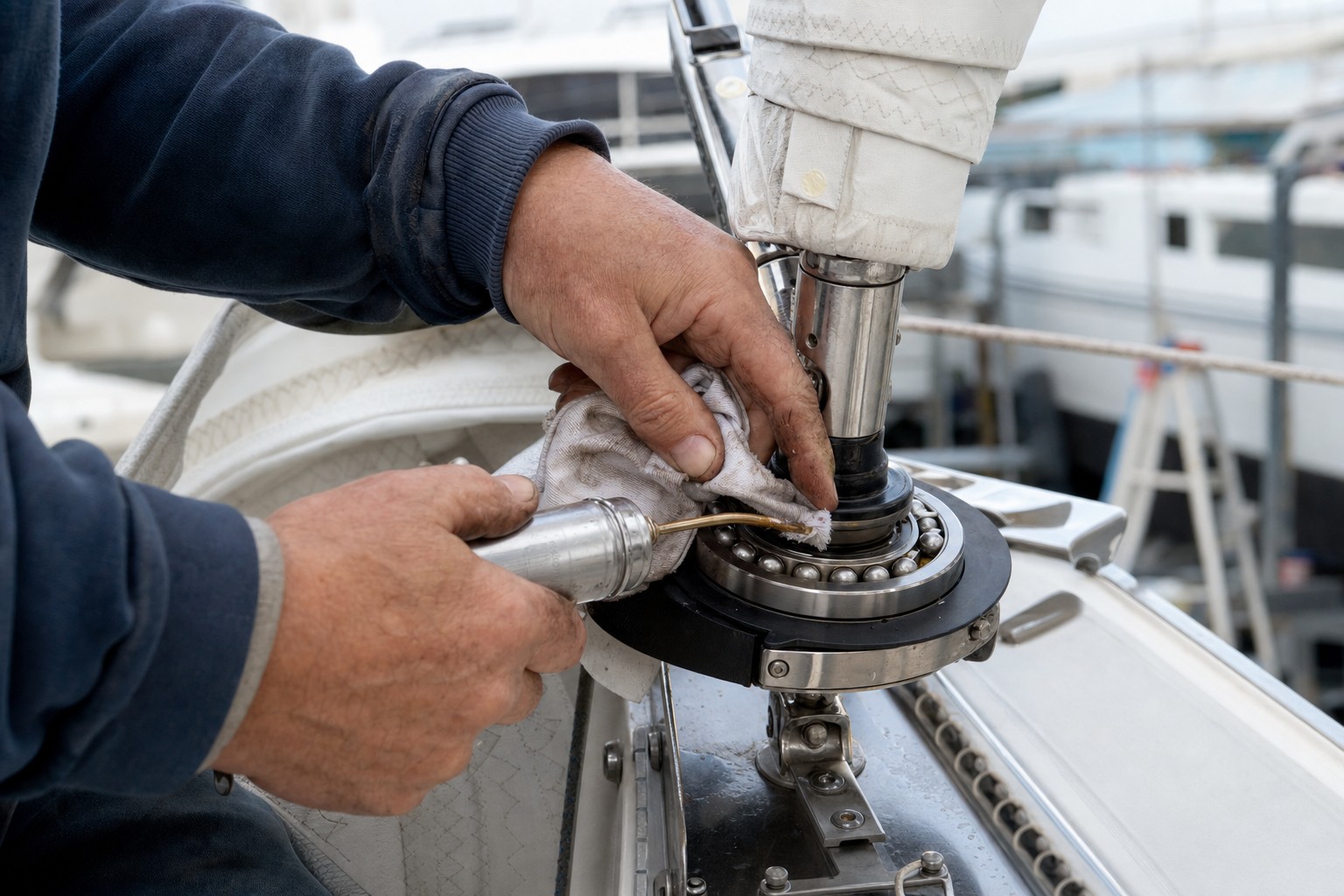
How much of that crowded bow you're fighting with in the first place depends on your existing genoa furler. An on-deck genoa furler like the standard Seldén Furlex puts its drum right at the stemhead, which is exactly where you'd want to hang a sprit bracket. A through-deck system like the Seldén Furlex Through Deck moves that drum below deck into the anchor locker, leaving the stem fitting itself much less crowded and giving you a cleaner surface to mount a sprit bracket or bow roller extension. We go through when that extra cost is worth it in our through-deck vs on-deck comparison. If you're planning a code 0 upgrade at the same time as a genoa furler replacement, it's worth deciding both at once rather than fitting a sprit around a drum you might replace next season anyway.
Why your code 0 needs a bobstay and a snuffed asymmetric doesn't
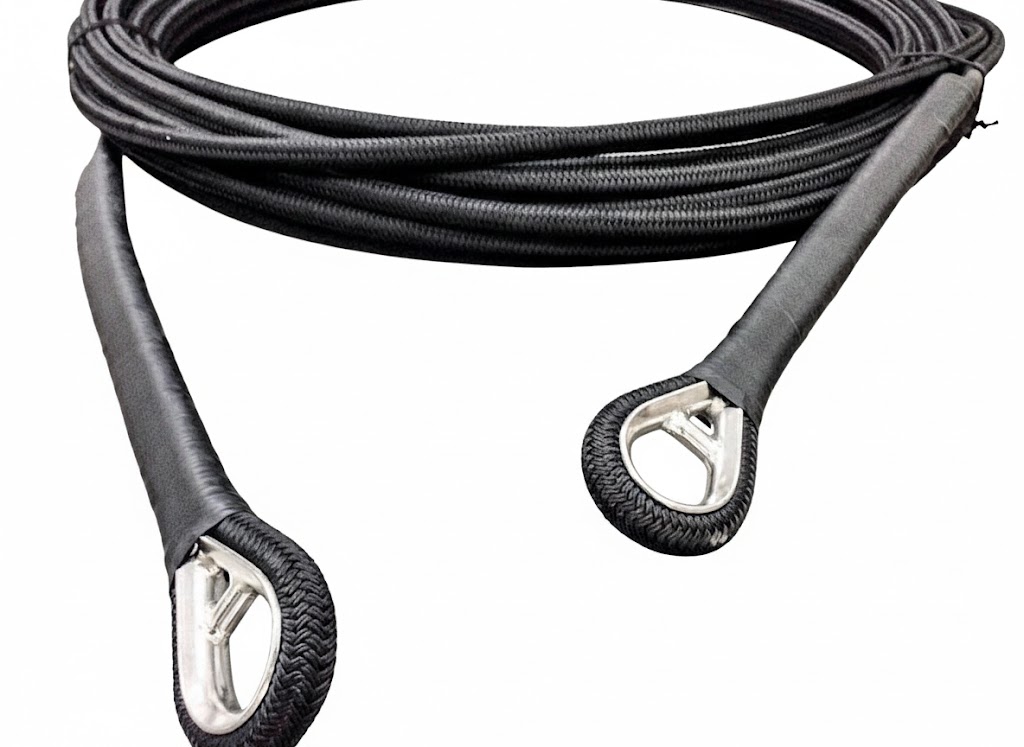
Here's the detail that catches people out. If you've sailed with a soft, snuffer-launched asymmetric before, you might assume a code 0 rigs the same way. It doesn't. A furling code 0 needs real, sustained tension on the anti-torsion cable, that's what lets the drum actually roll the sail up instead of just twisting the cable while the sail stays put, and that tension loads the sprit in a way a soft-luff spinnaker never does. Riggers who've fitted both report the same thing: a sprit sized fine for a snuffer sail can flex or fail under the sustained luff tension a furling unit demands. If your sprit isn't rated and stayed for that load, plan on a bobstay. Skip it because the boat next to you at the dock doesn't have one, and you're gambling on a sail with a different luff tension profile than yours.
This is also where the anti-torsion line itself matters. The cable transmits that same tension the length of the sail, so a cable sized too small for the load stretches under it and gives you a soft, sloppy furl no matter how well the sprit is built. We cover sizing that cable properly, by SWL and sail area rather than by boat length, in our guide to sizing a code 0 furler.
The mistake that wraps your furling line around the drum
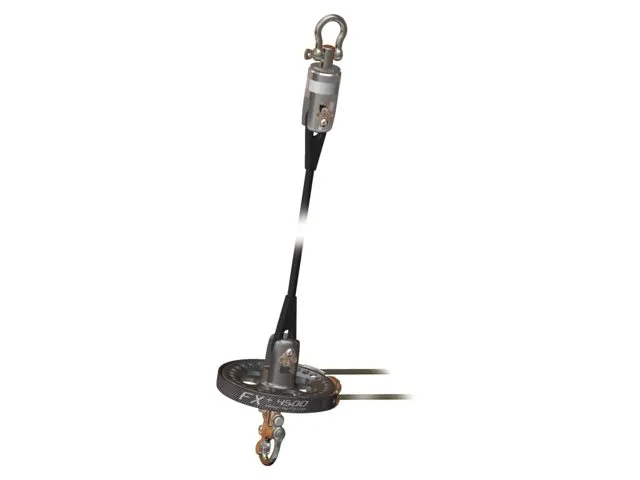
Once the sprit and clearance are sorted, there's a rigging detail that ruins more code 0 installs than undersized cable does: mounting the whole furler to a single shackle on a tack line instead of a fixed point. A furler that can rotate freely on its attachment doesn't stay put once you load it. Torque on the sail works the entire unit around, and the furling line wraps itself around the drum instead of paying out cleanly, which means a trip to the bow mid-manoeuvre to unwind it by hand. The fix is a fixed padeye or bail at the sprit end, not a shackle on a single line, so the drum can't spin independently of the sail above it.
When a staysail beats a second furler entirely
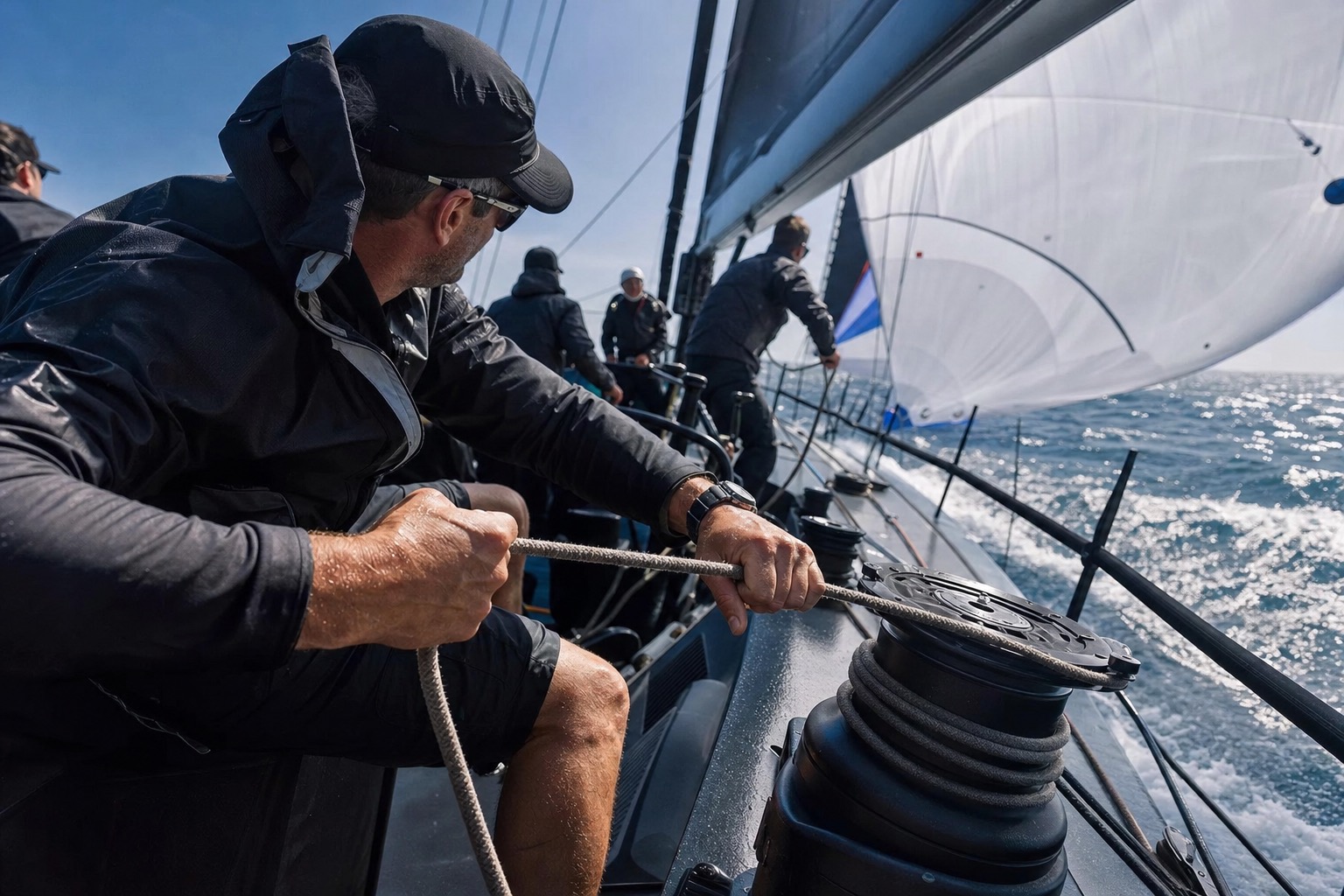
Not every boat needs the sprit-and-second-furler route. Even on race boats with long, purpose-built sprits, code 0 and genoa don't fly together, the aerodynamics don't work with two overlapping headsails that close to each other. What those boats do instead is set a staysail on an inner stay, tacked roughly two-thirds of the way from the mast to the forestay, well clear of both the genoa and any downwind sail forward of it. If your actual goal is a smaller, more manageable sail for heavy air rather than a reaching sail for light air, a staysail on an inner forestay solves the bow-space problem completely, because it doesn't compete with the genoa furler for room at all. We go through what that installation involves, including the clearance and halyard-wrap issues specific to a cutter rig, in our staysail furler guide. And if you're still deciding between a code 0 and a gennaker in the first place, our comparison of the two is worth reading before you spend money on a sprit for either.
On 123furling.com, you can compare code 0 systems like the Facnor FX+, priced from €845, against the Seldén CX from €776.60, both of which are built to fit a bowsprit installation without modification. Neither system solves the sprit question for you, though. That decision happens with a tape measure at your own bow, not on a spec sheet.
Not sure whether your bow needs a fixed sprit, a retractable one, or no sprit at all? Send us your forestay diameter, sail area and a photo of your bow fitting at info@123furling.com and we'll tell you what actually fits.