

If you are shopping for a flying sail furling system, you have probably noticed that most manufacturers offer both a "code 0 furler" and a "gennaker furler" - and describe them in surprisingly similar ways. Some systems even claim to handle both sails. So what actually makes them different, and which one do you need?
The short answer: it depends on how your sail luff is built. The full answer is what this article is about.
This guide assumes a furler is already the right tool for your sail. If you are still weighing a sock against a top-down furler, especially for a deep-cut asymmetric, read how the sail cut decides between a sock and a furler first.
The fundamental difference: where the torque starts
A code 0 and a gennaker furl in completely different ways, and it starts with the luff.
A code 0 has a tight, load-bearing luff - similar to a headsail. The sail attaches to a fixed tack point (usually a bowsprit), and an anti-torsion cable runs through the entire luff from the drum at the bottom to the head swivel at the top. Pull the furling line, the drum rotates, and torque travels up the cable, rolling the sail from the bottom upwards. This only works if the luff stays under tension. If your halyard goes slack, the cable starts coiling inside the luff and unfurling becomes a problem.
A gennaker or asymmetric spinnaker is free-flying. The tack is clipped to the bow or bowsprit, but the luff has no load-bearing structure. If you try to furl it bottom-up like a code 0, the sail fills with wind halfway through and will not roll. You need top-down furling: torque reaches the head swivel first, rolling the sail from the top down, which collapses it before it can fill.
Code 0 furlers: what makes each brand different
Most code 0 furlers are designed around anti-torsion bottom-up furling. The main manual systems are:
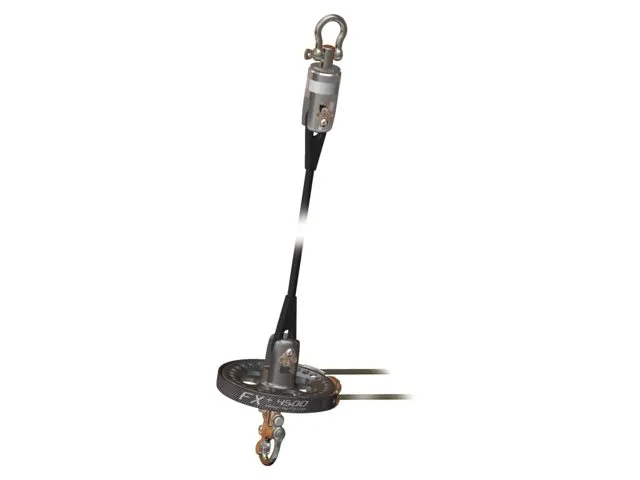
- Facnor FX+ Code 0: Four models from FX+900 (up to 30m2, boats 6-10.5m) to FX+4500 (up to 140m2, boats 13-16m). The monoblock drum - drum and swivel machined from a single piece - is one of the most durable designs available. An optional ratchet function lets you temporarily release the furling line without the sail unrolling.
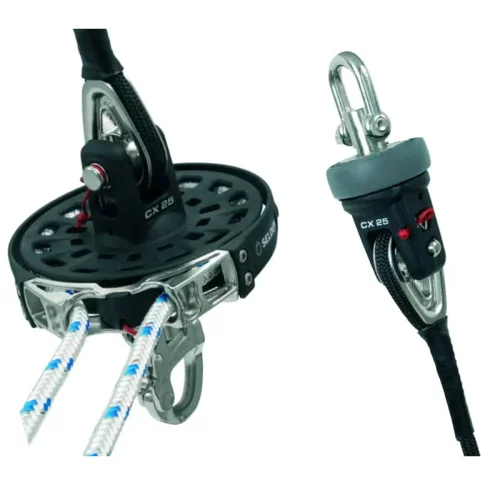
- Selden CX: Four models from CX-10 (50m2, up to 5 tonnes displacement) to CX-45 (200m2, up to 28 tonnes). All structural parts are duplex stainless steel. Selden is explicit in their documentation: do not use a 1:2 purchase halyard system with the CX. You need a direct halyard lead.
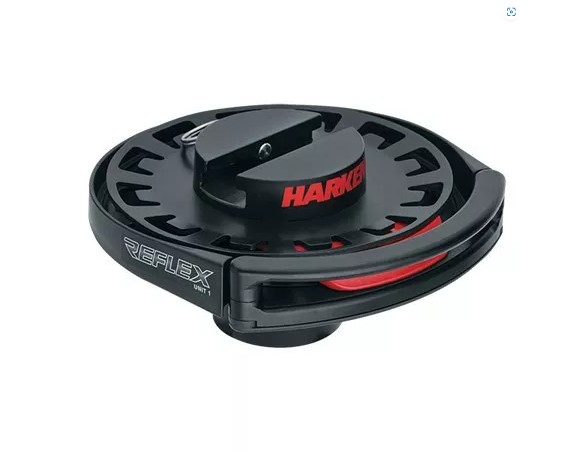
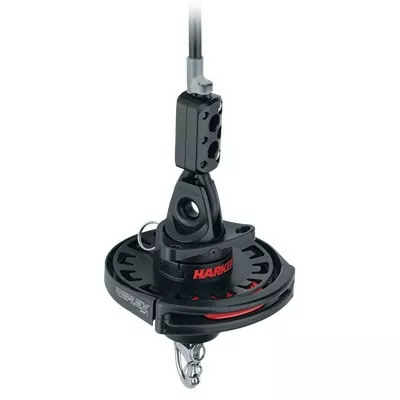
- Harken Reflex Code 0: Three unit sizes for boats from 6.7m to 16.5m. Harken offers two configurations: cable-less (for sails with load-carrying luff fibres built into the cloth) and with the Reflex anti-torsion cable. The Reflex cable has a polymer jacket that protects the sail luff from abrasion - something cheaper systems skip.
- Profurl NEX V2: Seven models from NEX0.9V2 (35m2) to NEX12.0V2 (350m2). The widest size range of any brand here. For larger boats with sail areas above 200m2, the NEX is often the only manual option that goes large enough. The Safe System stops the furling line during hoisting, preventing a free-running line accident.
Gennaker furlers: top-down is non-negotiable
For a true gennaker or asymmetric spinnaker, top-down furling is the only way. The options are more limited:
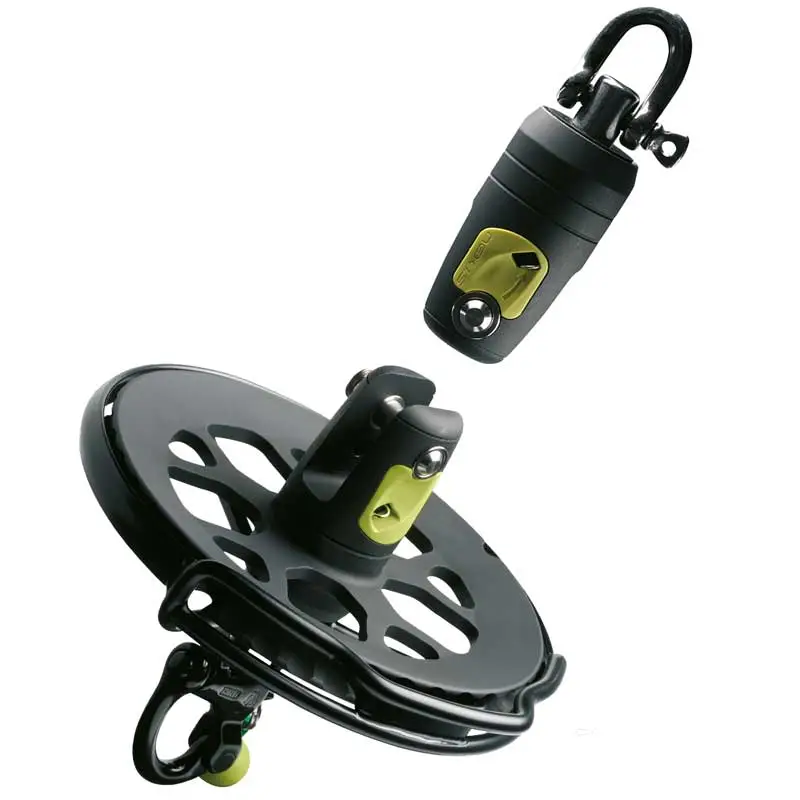
- Facnor FX+ Gennaker: Purpose-built for top-down furling of asymmetric sails. Available from 900kg to 7000kg SWL, covering boats from 20 to 70 feet. The quick-release pin system allows fast sail changes, which offshore racers appreciate.
- Harken Reflex Gennaker: Three unit sizes for boats from 7.5m to 17.7m (sail areas up to 223m2). The Reflex anti-torsion cable transmits torque faster at lower loads than conventional cables - you feel this in how quickly the sail rolls.
Systems that work for both - when this makes sense
Several systems can handle both code 0 and gennaker with adapters. At 123Furling, we often see this question from boat owners who want one furler for two different sails.
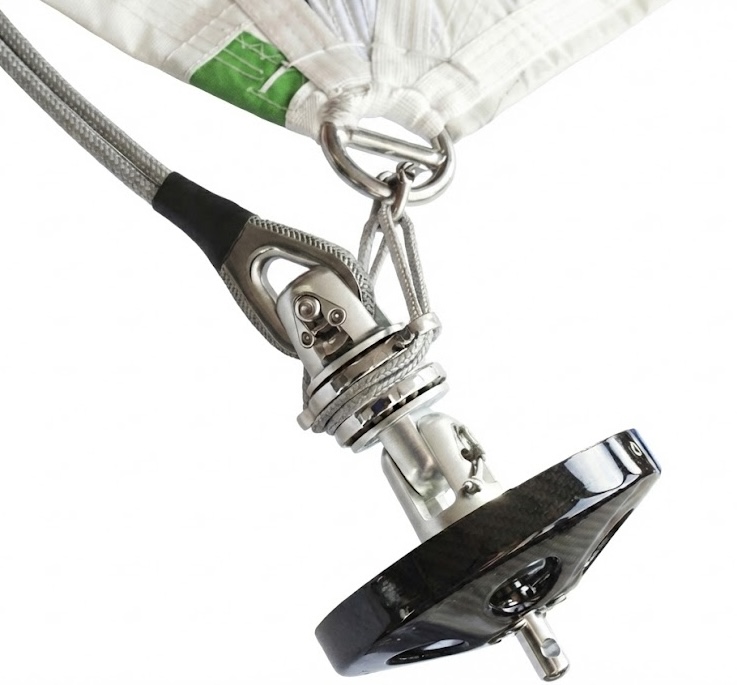
- Facnor FX+ with Fast Thimble adapter: The FX+ becomes a top-down gennaker furler with the optional Fast Thimble. Good option if you already have an FX+ for your code 0.
- Selden CX with Free Tack Adapter and GX halyard swivel: Converts the CX to a top-down system. The trade-off is that switching between sails means swapping hardware at the dock.
- Profurl NEX V2: Profurl designs the NEX specifically for code 0, gennaker and screecher from the same unit. Works best when the gennaker has a fairly structured luff. Very light, soft nylon sails may not furl as cleanly.
Dual-purpose systems make sense when you sail the same boat with two different sails in similar wind ranges. For serious racing where you want the best from each sail, dedicated systems are the better call.
Sizing: match to your sail area, not just your boat length
Boat length is a rough guide, but sail area determines which model you need. A 38-footer can carry a code 0 anywhere from 65m2 to 110m2 depending on the design - those need different model sizes.
From the 123Furling team experience advising customers across Europe:
- Under 60m2: FX+1500, CX-10, NEX1.5V2, Harken Unit 1
- 60-100m2: FX+2500, CX-15, NEX2.5V2, Harken Unit 2
- 100-140m2: FX+4500, CX-25, NEX4.0V2, Harken Unit 3
- Over 140m2: CX-45, NEX6.5V2 or larger, or consider an electric code 0 system
When your sail sits right at the boundary of two model sizes, go with the larger one. An undersized drum creates friction and wears faster.
The costs you will not see in the product listing
Most manufacturers list the drive unit price, but to complete the system you typically also need:
- An anti-torsion cable in the right diameter and length - not always included, and Harken sells it separately
- A top fitting or head swivel - sometimes sold separately, especially for gennaker setups
- A tack adapter if you are mounting on a bowsprit
- Possibly a halyard upgrade - your existing halyard may not run correctly through the new swivel
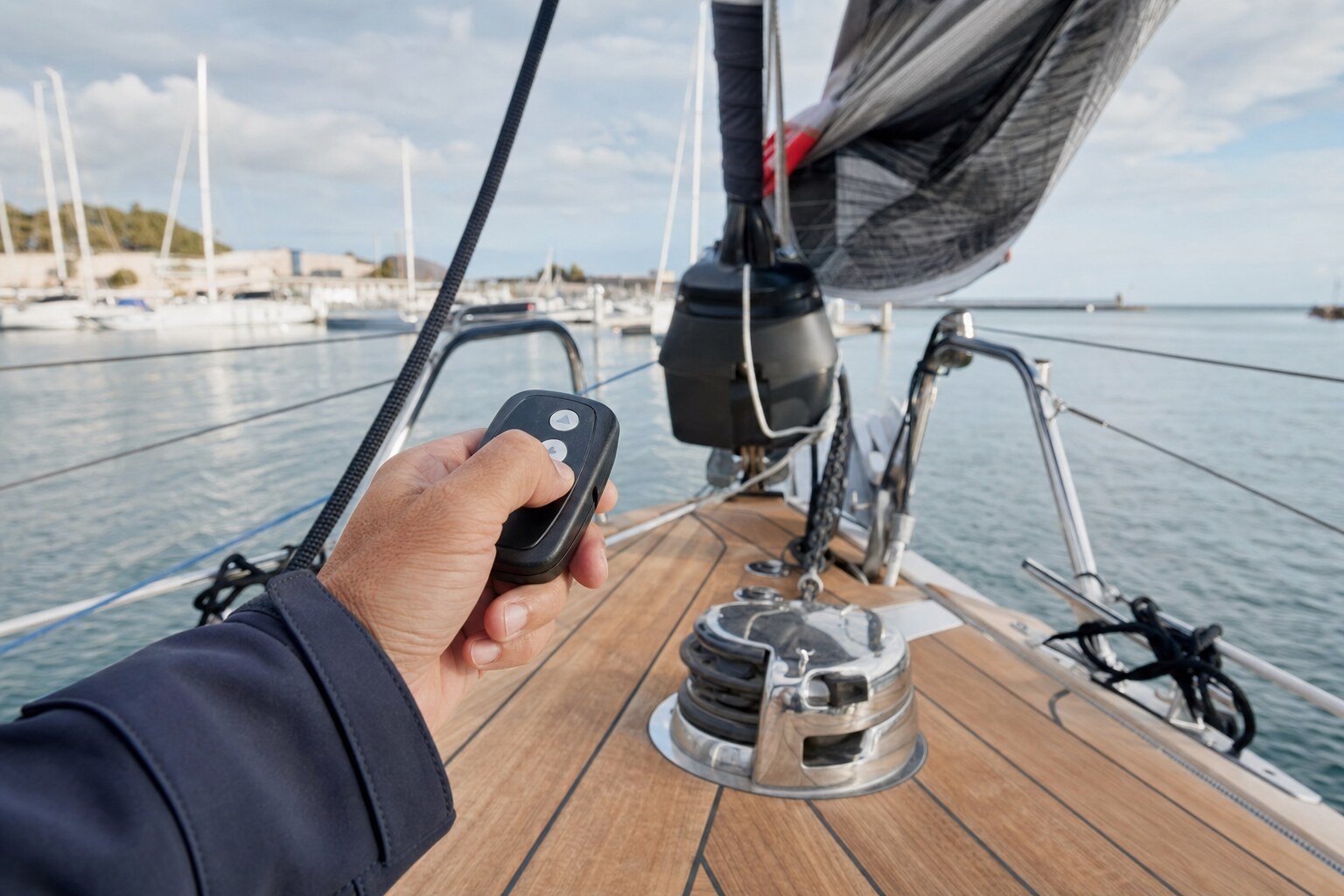
For gennaker systems with sail areas over 80m2: if you are sailing shorthanded, think hard about whether a manual furl is realistic. At 25 knots, pulling in 100m2 of free-flying sail by hand is genuinely difficult. Electric systems like the Selden CXe Gennaker furl in under 10 seconds at the push of a button.
Do you need the ratchet function?
The Profurl NEX V2R has the FurlAssist ratchet. The Facnor FX+ offers one as an option. The idea: once the sail is partially furled, you can release the furling line without the sail unrolling - useful when you need both hands for something else.
For cruising with a small crew, the ratchet earns its price. For racing with full crew, it is less critical. The ratchet adds mechanical complexity, and some sailors prefer to skip it and use a cleat - which works fine when the sail is not generating much load during the furl.
If you are unsure which system fits your sail, try the product advisor on 123Furling, or email info@123furling.com with your sail area, luff length and boat type. We will check compatibility before you order.