

Survey day. The rigger checks the standing rigging, taps the chainplates, and moves on before really looking at the furler. That's typical. Roller furling systems get maybe two minutes of attention during a pre-purchase survey, yet a worn one can cost you anywhere from a bag of bearings to a full system replacement.
If you're buying a boat with a furler already installed, or considering putting an offer on one, here's what actually tells you something about its condition, beyond "does it turn."
What the forestay diameter tells you before you touch anything
Before you even look at the drum or the foil, check what forestay the boat actually has. A furler sized for a 4mm forestay and one sized for a 6mm forestay are not interchangeable, even if they look similar on deck. Sailors on forums regularly report finding a furler that "almost fits" on a boat, only to discover the toggle, clevis pin, or foil diameter is off by a size. If the current furler doesn't match the boat's actual rig dimensions, someone before you already made a compromise, and you'll inherit it.
Measure the forestay wire diameter yourself with calipers if you can get to it, and compare it against the spec sheet of whatever brand is installed. On 123furling.com you can filter manual furling systems by forestay diameter range, which is a useful way to sanity-check whether the installed unit is actually correct for the boat, or a mismatched replacement from a previous owner.
Bearings are the cheap part, seized ones are the warning sign
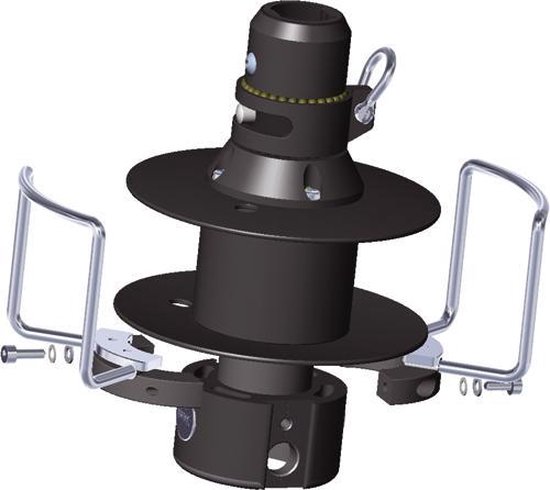
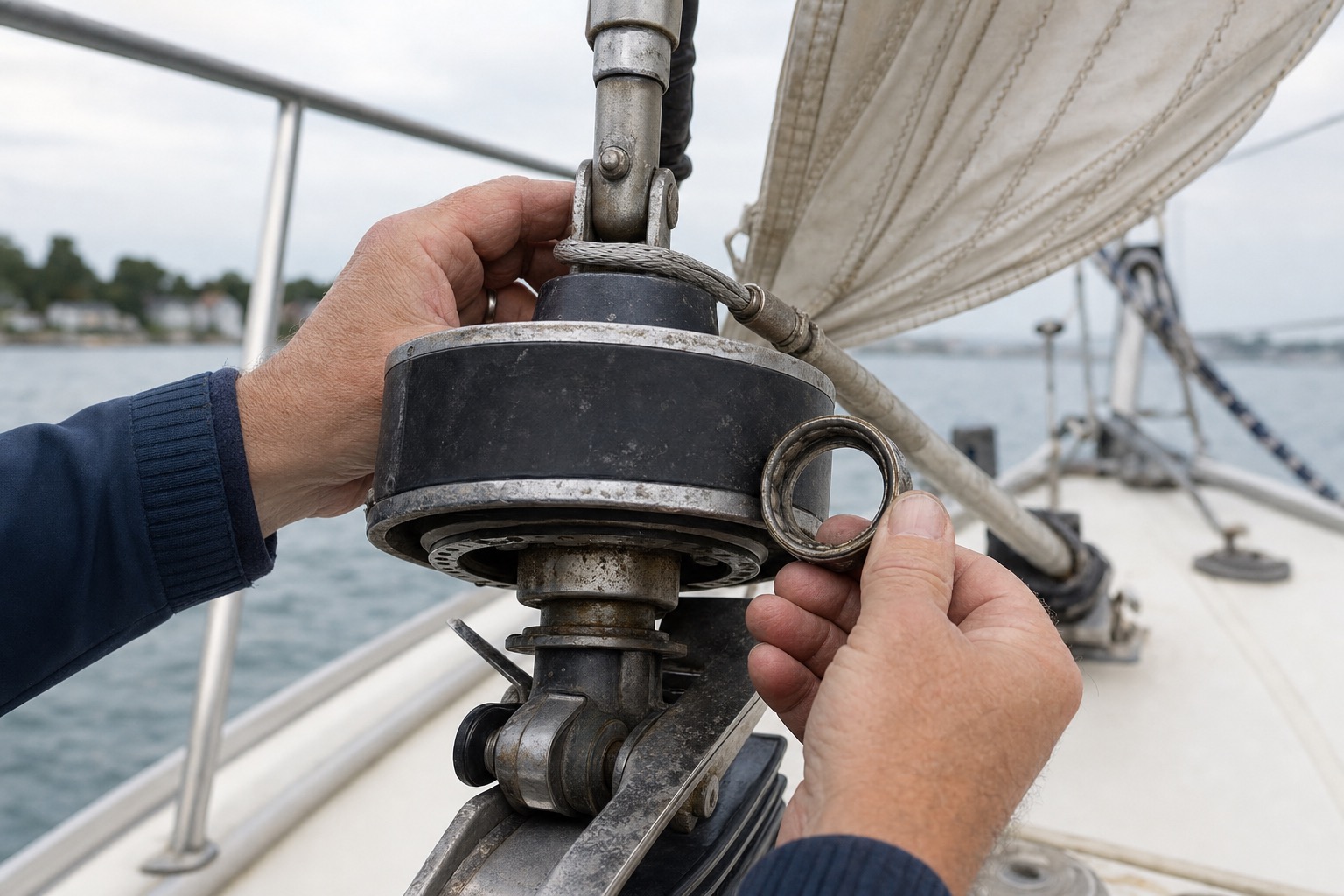
Ask to spin the drum and the halyard swivel by hand with the sail off or at least loose. It should turn smoothly, without grinding or hard spots. A furler that's stiff or notchy usually has bearings that have hardened grease inside them, or ball bearings that have gone out of round from years of load without lubrication.
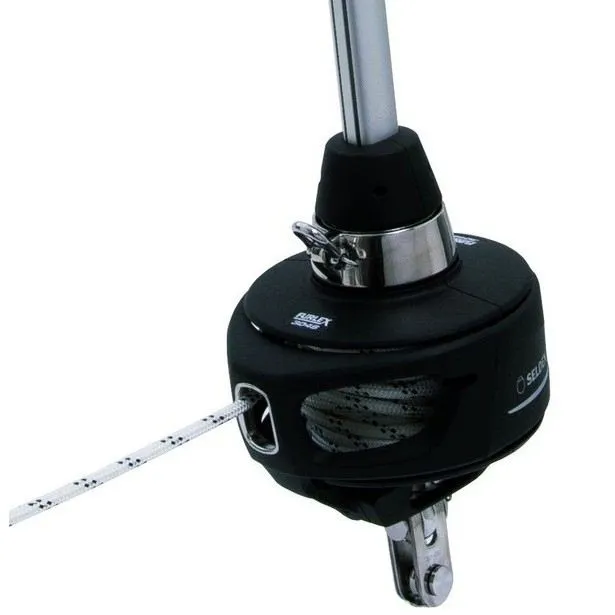
The bearings themselves are not expensive. Drum bearings run around 13 euros each and top swivel bearings around 9 euros, so a full bearing service on most systems is a small job. That's the good news. The bad news is that seized bearings are often a sign the system hasn't been serviced in years, and that raises the question of what else got skipped: halyard swivel lubrication, foil joint inspection, or sail luff tape wear. Seldén's own service manuals recommend inspecting the halyard lead every year and replacing it once wear passes 50%, a step most boats we see have never had done.
If the furler is genuinely stuck rather than just stiff, our guide on why roller furlers get stuck covers the seven most common causes, several of which are visible during a five-minute deck inspection.
Facnor's screws, Harken's rivets: why foil joints age differently
Foil sections are joined with either screws or rivets, and it matters which. Facnor's LX and FX+ foils use Torx-head set screws at the joints, which means a rigger can take the foil apart for inspection or repair without drilling anything out. Some competing systems rivet the joints instead, which is more resistant to accidental loosening at sea, but turns any repair into a job that requires drilling out the old rivets and fitting new ones.
On an older boat, check the joints for corrosion streaking below each connection point, a sign that water has been sitting inside the foil. On screw-jointed systems, also check that the screws haven't been overtightened or stripped by a previous owner trying to fix a rattle.
Bearing exposure varies by brand too, and it changes what you should look for. Harken's MKIV runs on Torlon and Delrin bearings tucked inside the housing, away from UV, so they age slowly but are harder to inspect without partial disassembly. Facnor's self-lubricating Torlon bearings on the LX system sit more exposed to sunlight, which makes them easier to flush and inspect on deck, but means they're doing more of their aging in direct sun. Neither is wrong, but if you're buying a boat that's been stored outside for years in a sunny climate, that's worth factoring in.
The two-minute furling line test
With the sail rigged, or even just the furling line led back, furl it in fully by hand and look at how much line is left wrapped around the drum. There should still be a few turns showing. If the drum is nearly empty of line when the sail is only just fully furled, that boat will run out of line in a real blow before the sail is completely rolled away, right when you need it most.
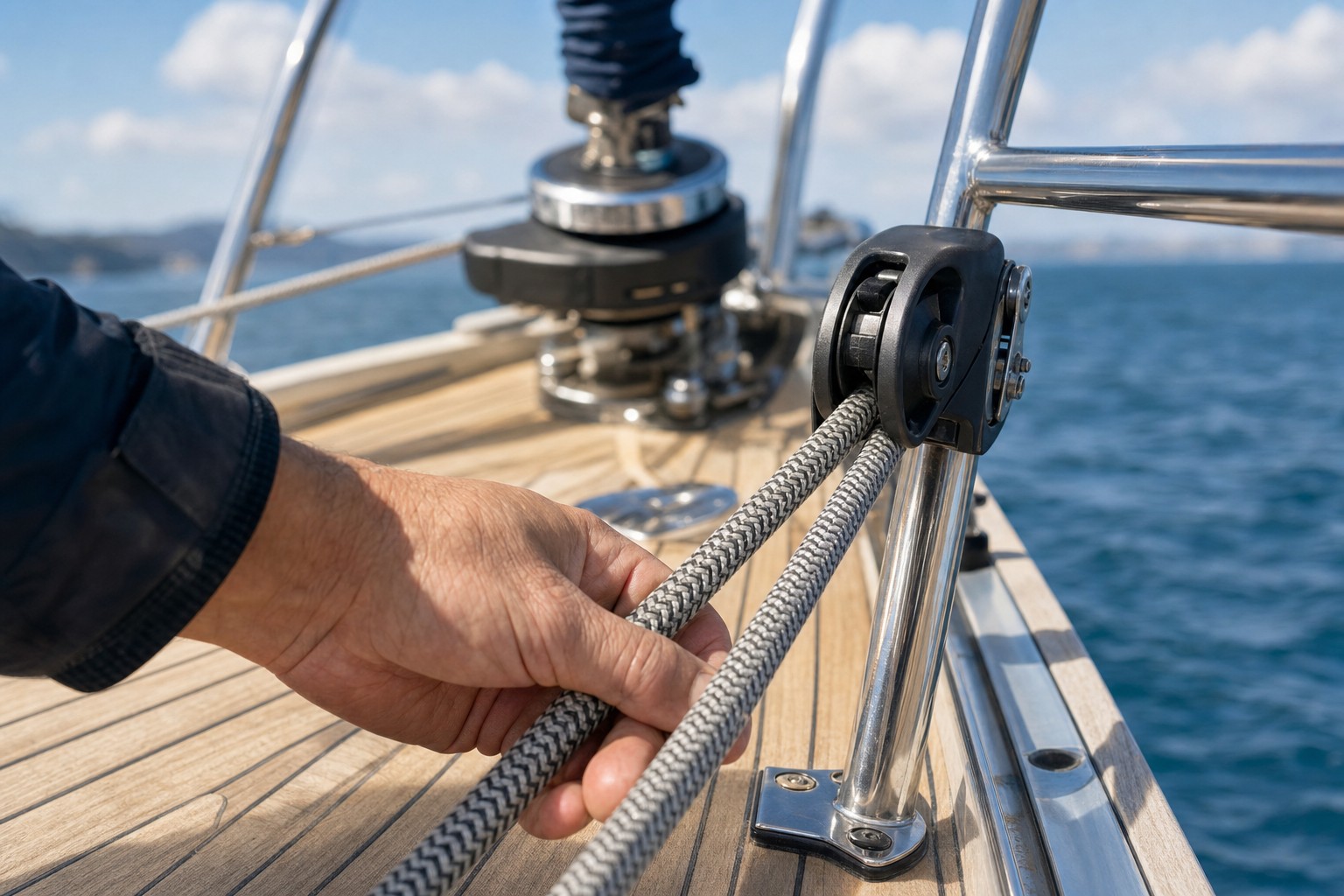
This is also the moment to check the furling line itself. A stiff, fuzzy, or undersized line for the drum diameter causes riding turns that jam the whole system under load, and it's one of the most common issues we see reported on new-to-us boats. Our guide to furling line diameter, length and material explains how to size a replacement correctly, and a spool of endless furling line is one of the cheapest insurance policies you can buy on a used boat, well under the cost of anything else on this list.
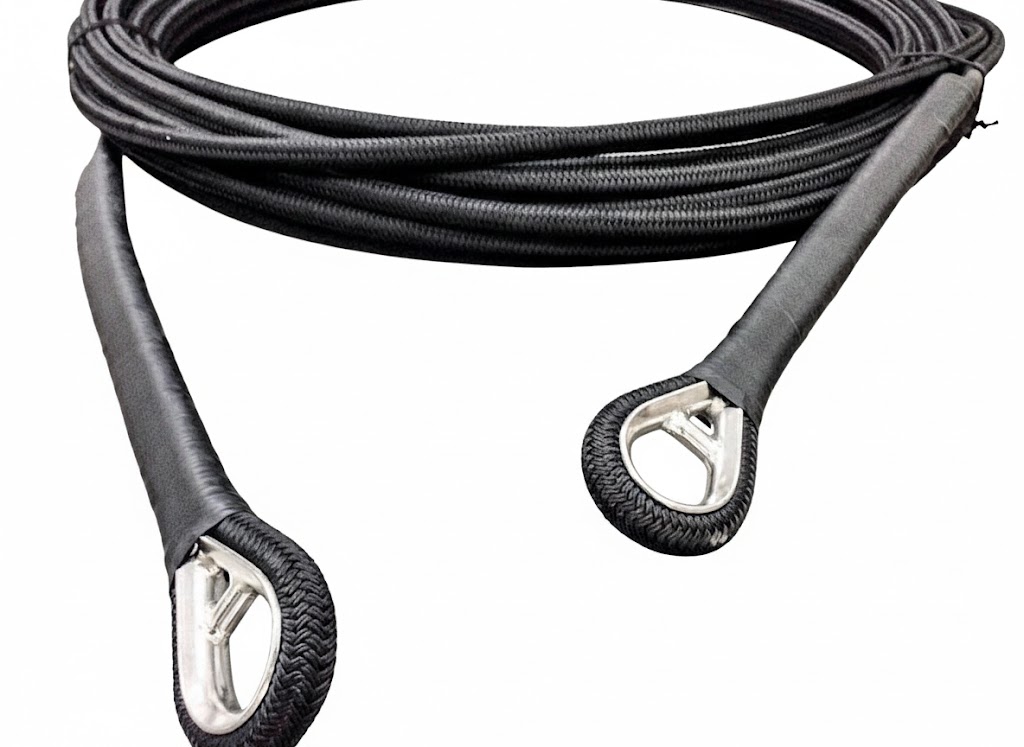
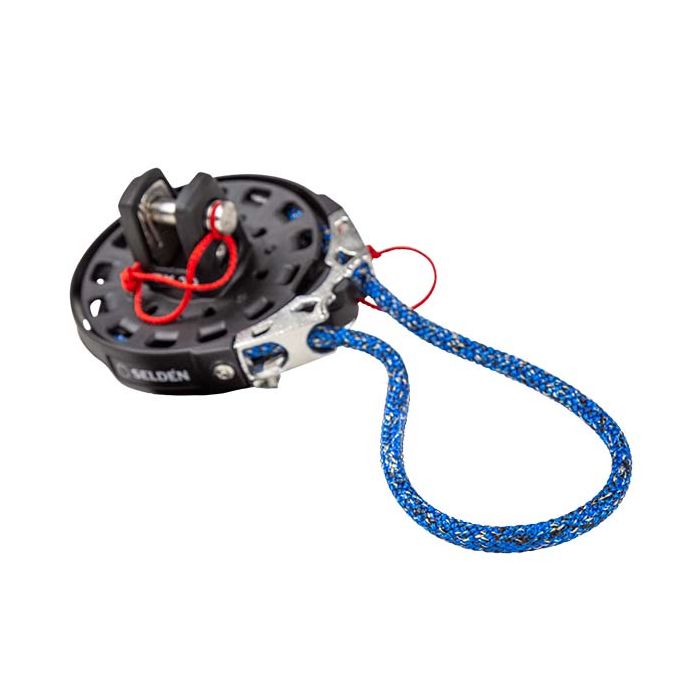
If the boat also carries a Code 0 or gennaker on a top-down furler, check the anti-torsion line too. It's a wear item that's easy to overlook during a survey because it's usually bagged with the sail rather than left rigged. Our guide on anti-torsion line for Code 0 furlers and the anti-torsion line itself are worth checking against the sail's actual luff length before you assume the current one is still fit for use.
When repair costs more sense than a whole new system
Bearings, a halyard swivel service, and a new furling line together rarely add up to more than a few hundred euros, which makes sense on almost any boat. Full system replacement is a different calculation, and it only makes sense to compare prices once you know what you're actually working with.
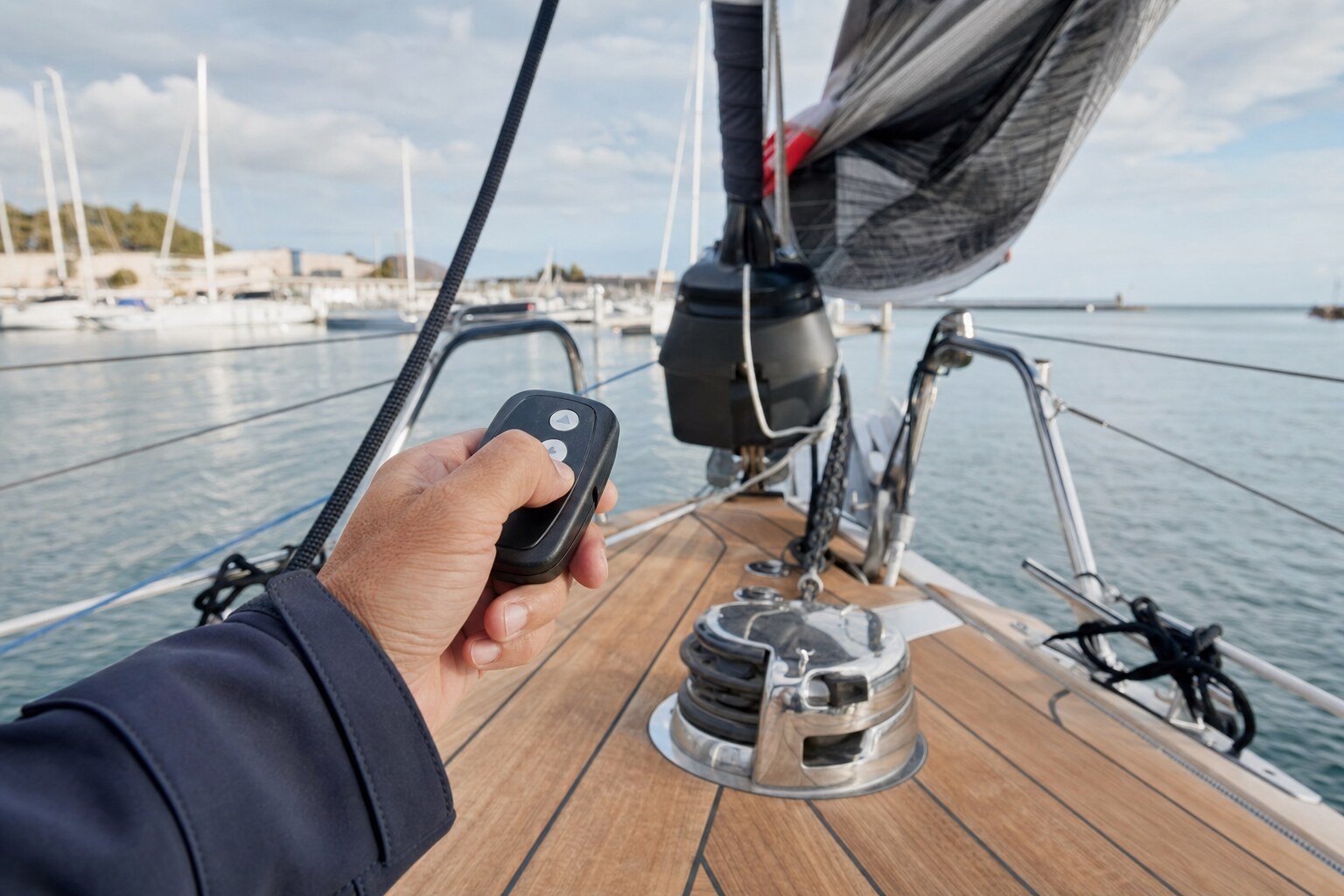
At 123Furling we sell all four major brands, which lets us give buyers an honest price range instead of one manufacturer's number. A Seldén Furlex starts around 800 euros, a Facnor LS System around 934 euros, and prices climb from there through the Profurl C-System, Profurl R-System, Harken MKIV Ocean, Facnor Flatdeck and Harken MKIV, up to a fully electric through-deck Furlex above 2,800 euros. Knowing that range before you negotiate on the boat means you're not guessing whether a tired furler is a 50 euro fix or a 1,500 euro replacement.
When replacing, resist the temptation to piece together a used foil from one boat with a drum from another to save money. Sailors who've tried it report that mismatched components from different boats rarely line up on tolerances that matter, and by the time everything is modified to fit, a new complete system was the cheaper and faster route anyway.
One thing worth keeping in perspective: sailors regularly report Profurl systems running 20 years with nothing more than a top swivel replacement, and secondhand gear from well-known builders showing up in fine working order after two decades. A furler being old is not automatically a reason to walk away from the boat. A furler that's been neglected is.
Not sure whether what's on the boat you're looking at still matches your rig, or whether it's worth repairing versus replacing? Use our product advisor to check compatibility by forestay diameter and boat length, or send us the model and we'll tell you honestly what we'd do.