

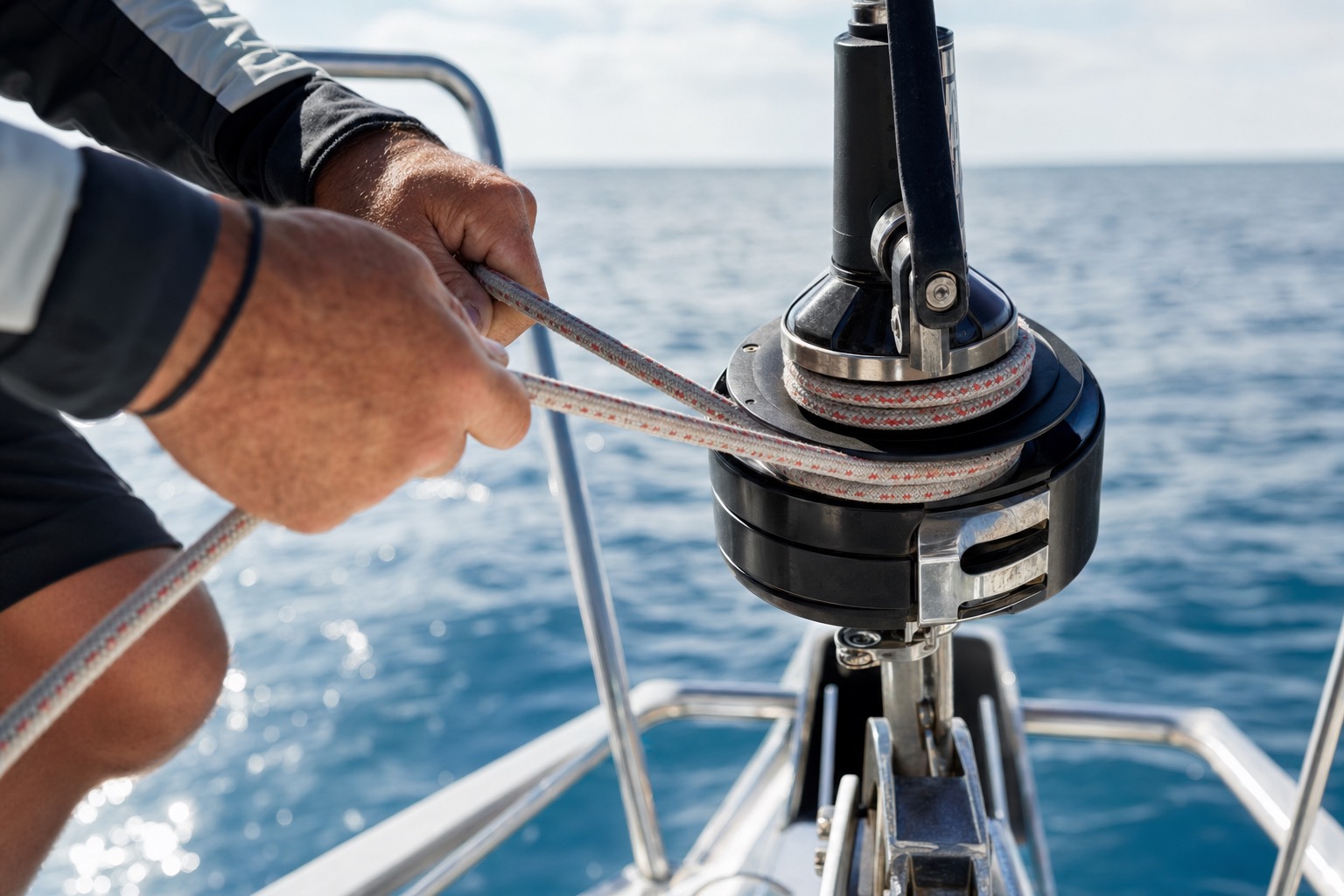
Ask around the marina after a furling line jams and you'll hear the same instinct every time: get a winch on it. It's the wrong move more often than not, and the reason has nothing to do with how hard you pull.
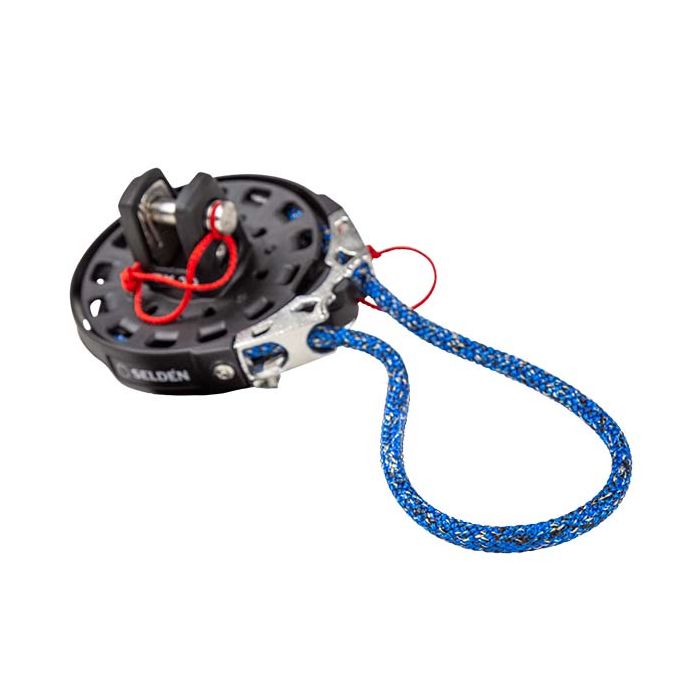
A furling line override, sometimes called a riding turn, happens when one wrap of line crosses over another on the drum or on a winch and locks itself in place under load. The line stops feeding, the sail stops rolling, and the temptation to add mechanical advantage is immediate. That's exactly the moment forums like Cruisers Forum and YBW are full of warnings about, and for good reason: a self-tailing winch has enough power to tear a furling line's stitching, pull the drum attachment loose, or, in one documented case on a Seldén Furlex, unscrew the lower housing until the forestay itself came free. None of that happens by hand.
Why the winch makes an override worse, not better
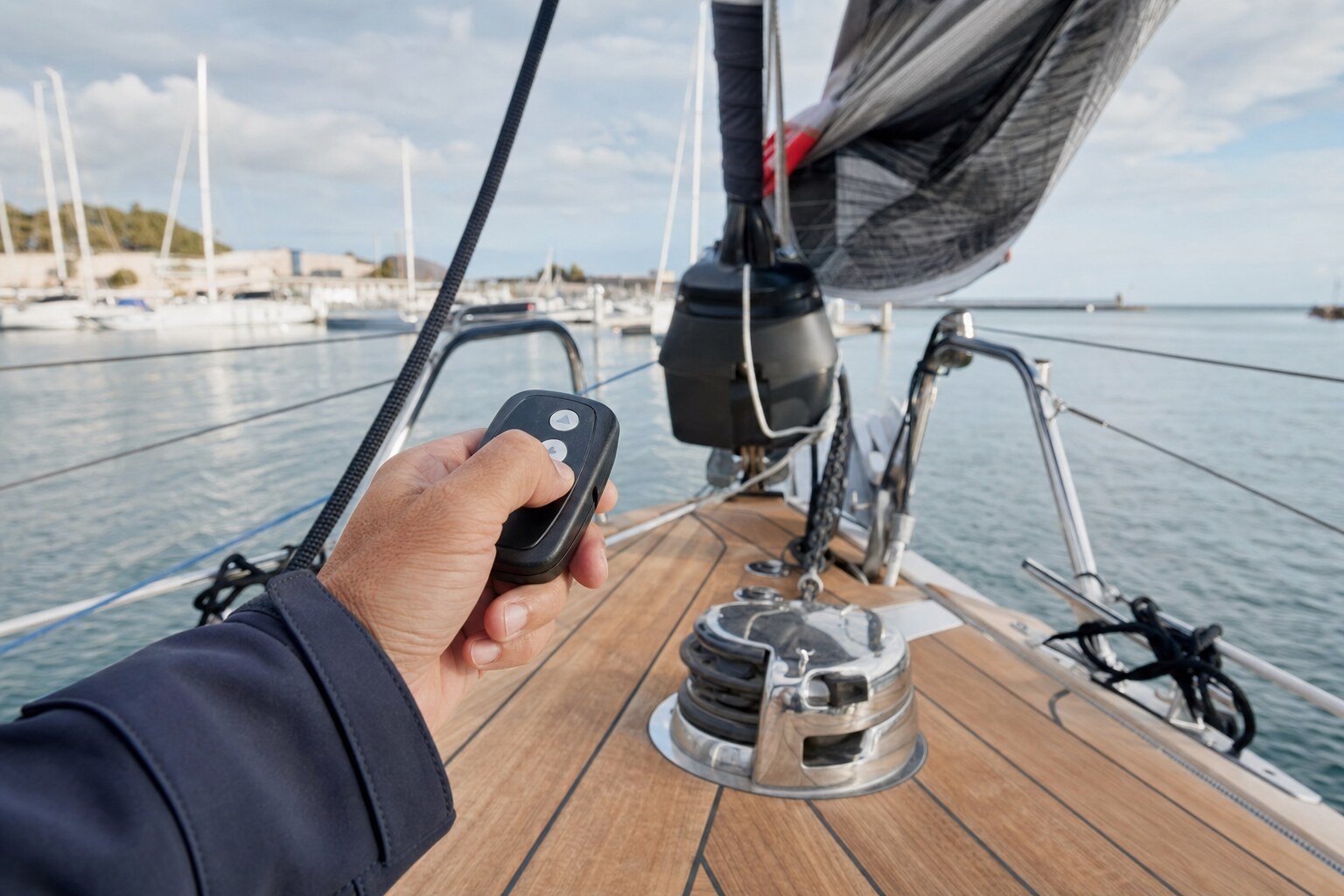
A winch multiplies force. That's the entire point of a winch, and it's exactly why it's the wrong tool for a line that's already crossed over itself. Grinding against a riding turn doesn't clear it, it tightens the crossed wrap further into the layers underneath, and every extra turn adds more load to a drum attachment or a swivel bearing that was never designed to take a winch's mechanical advantage. At 123Furling we hear this after nearly every autumn blow: someone got an override on the furling line, reached for the primary winch out of habit, and turned a five-minute fix into a replacement drum.
There's one important exception where a winch is not just unhelpful but actively dangerous: halyard wrap. If your genoa halyard has wrapped around the top of the forestay instead of a riding turn on the drum, winching the furling line only tightens the wrap higher up the rig, and it can damage the foil or the forestay itself. We cover how to tell the two apart in our guide to halyard wrap. If you're not certain which one you're dealing with, treat it as halyard wrap until you've confirmed otherwise from the mast base.
The real cause sits at the drum, not on the line
Most overrides trace back to one thing: the angle the furling line makes as it leaves the drum. Harken's own installation manuals for its Small Boat Furler and Reflex units are specific about this, they call for the line lead to be as close to perpendicular to the drum as the deck layout allows. Lead the line off at a shallow angle instead, and every wrap piles up on one side of the drum rather than laying flat, which is exactly the geometry that produces a riding turn under load.
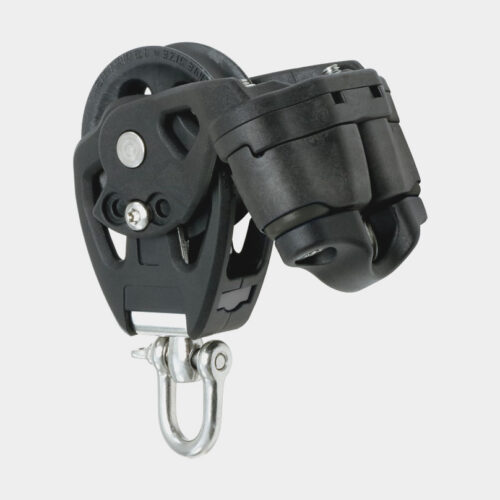
If your mast-base turning block was installed at the wrong angle or the wrong height, that's a hardware problem, not a technique problem, and it will keep producing overrides no matter how carefully you handle the line afterward. We go through how to size and position that first block correctly in our guide to furling line lead blocks. A block moved a few centimetres, or a Seldén BBB or PBB single block swapped for a standing model at the mast base, is often the entire fix, and it's a lot cheaper than a new drum.
A related but different angle problem
Don't confuse the drum lead angle with the halyard-to-forestay angle Seldén specifies in its Furlex manuals, five to ten degrees, to prevent halyard wrap. They're two separate geometry problems that happen to share a cause of "the sail won't furl." One is about how the furling line approaches the drum, the other is about how the halyard approaches the sheave at the masthead.
Keep tension on the line while you unfurl, not just while you furl
Most sailors are careful about tension when they're rolling the sail in. Fewer are careful when they're letting it out, and that's usually where the override actually gets built. Let the genoa or Code 0 fly out freely while the furling line runs slack through your hand, and the line piles onto the drum in loose, uneven loops instead of the tight, even layer the manufacturer's geometry assumes. The next time you furl, that loose pile is what crosses over itself.
The fix costs nothing: keep light tension on the furling line as the sail unfurls, either by feeding it through a closed fist or taking one loose turn around a winch or cleat for friction, not power. That single turn adds drag without adding mechanical advantage, so it controls the wrap without setting up the next jam. On a Code 0 or gennaker where the furling line sees higher loads, that light resistance matters even more, because a fast, uncontrolled unfurl on an asymmetric sail tends to load one side of the drum harder than the other.
What to cleat the line to instead of a self-tailer
A furling line needs to hold under load without a crew member standing over it, but it doesn't need a self-tailing winch to do that. A cam cleat block at the cockpit end, like the Seldén PBB 50 single block with cam cleat, holds the line securely under sailing loads and releases instantly when you need to ease it, without the option to accidentally grind it. If your current setup routes the furling line straight onto a primary or secondary winch because that's simply where the line ends up, that routing is worth changing, not the habits of whoever is trimming.
Clearing an override without breaking anything
If you already have a riding turn and it's confirmed to be on the drum rather than a halyard wrap, don't add power. First, ease everything, the sheet, the furling line, any load you can take off the wrap. Then look at whether you can unwind the crossed turn by hand, working from the loose end back toward the load. On a drum override at the mast, this sometimes means reaching into the drum with a screwdriver or similar tool to walk the rope around and free the crossed section, a trick regularly mentioned on YBW's furling threads.
If the override is on a cockpit winch rather than the drum itself, the safer move is to take the tail of the jammed line, lead it to a second, empty winch, and use that winch to peel the load off the stuck turn in the opposite direction rather than grinding the original winch harder. It takes longer than reaching for the handle on the winch that's already jammed, but it doesn't risk the drum attachment or the bearing underneath it.
When the line itself is causing the override
A furling line that's several seasons old can start creating overrides even with a correctly angled lead and good tension technique, because a stiff, swollen cover no longer lies flat against itself the way a supple line does. If your line is starting to feel hard, fuzzy or slightly oversized compared to when it was new, that's worth checking against the wear signs in our guide to replacing a furling line, alongside how to choose the right diameter for your system. Getting the diameter right, not just close, keeps the line lying flat on the drum instead of sitting slightly proud where the next wrap can catch on it.
On 123furling.com you can check the exact spliced length and diameter for your system before you order, which avoids the compounding problem of a line that's both the wrong size and getting old at the same time. If you're not sure whether what you're dealing with is a lead angle problem, a tension habit, or a line that's simply had enough seasons, send us a note at info@123furling.com with your furler model and we'll help you narrow it down.