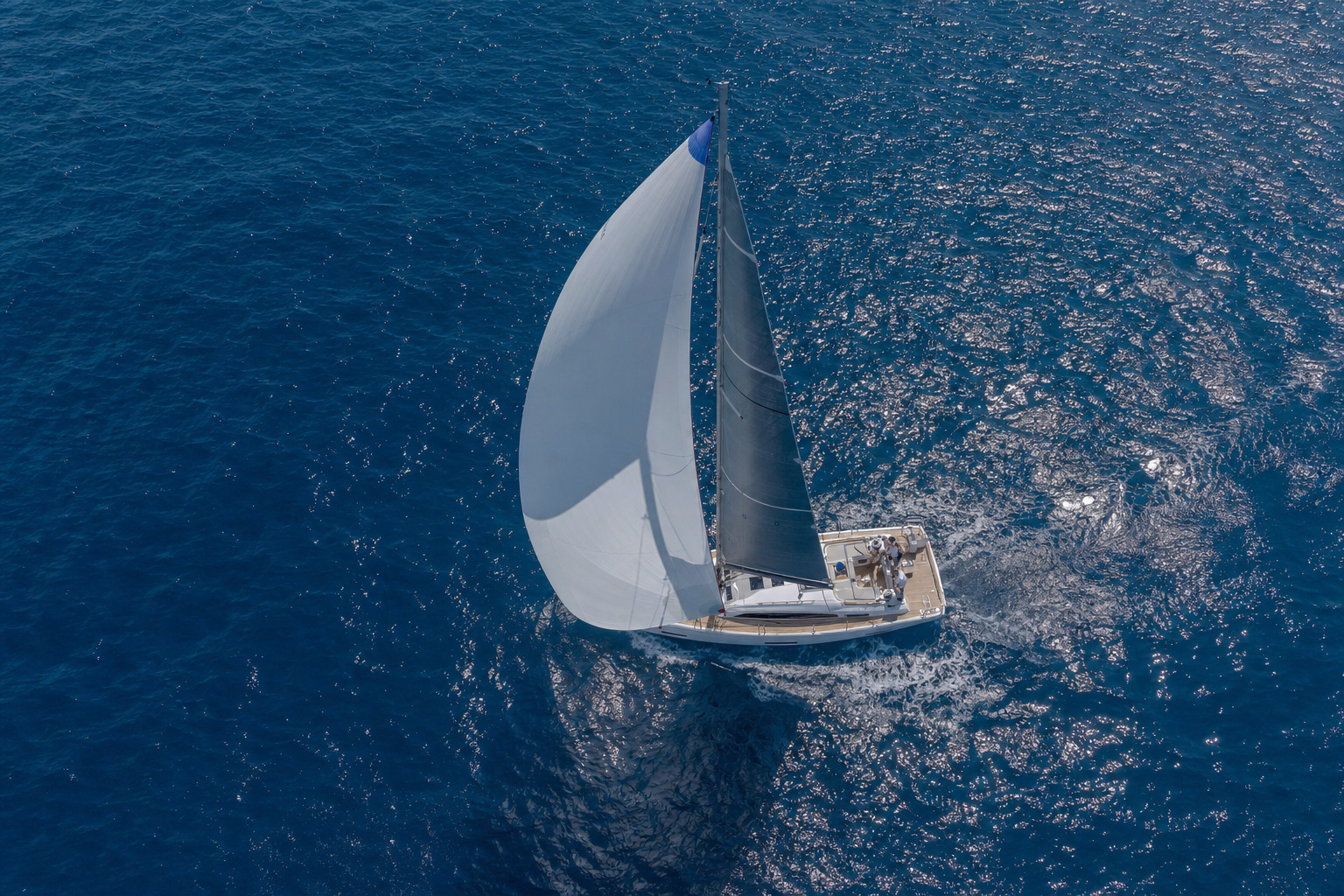


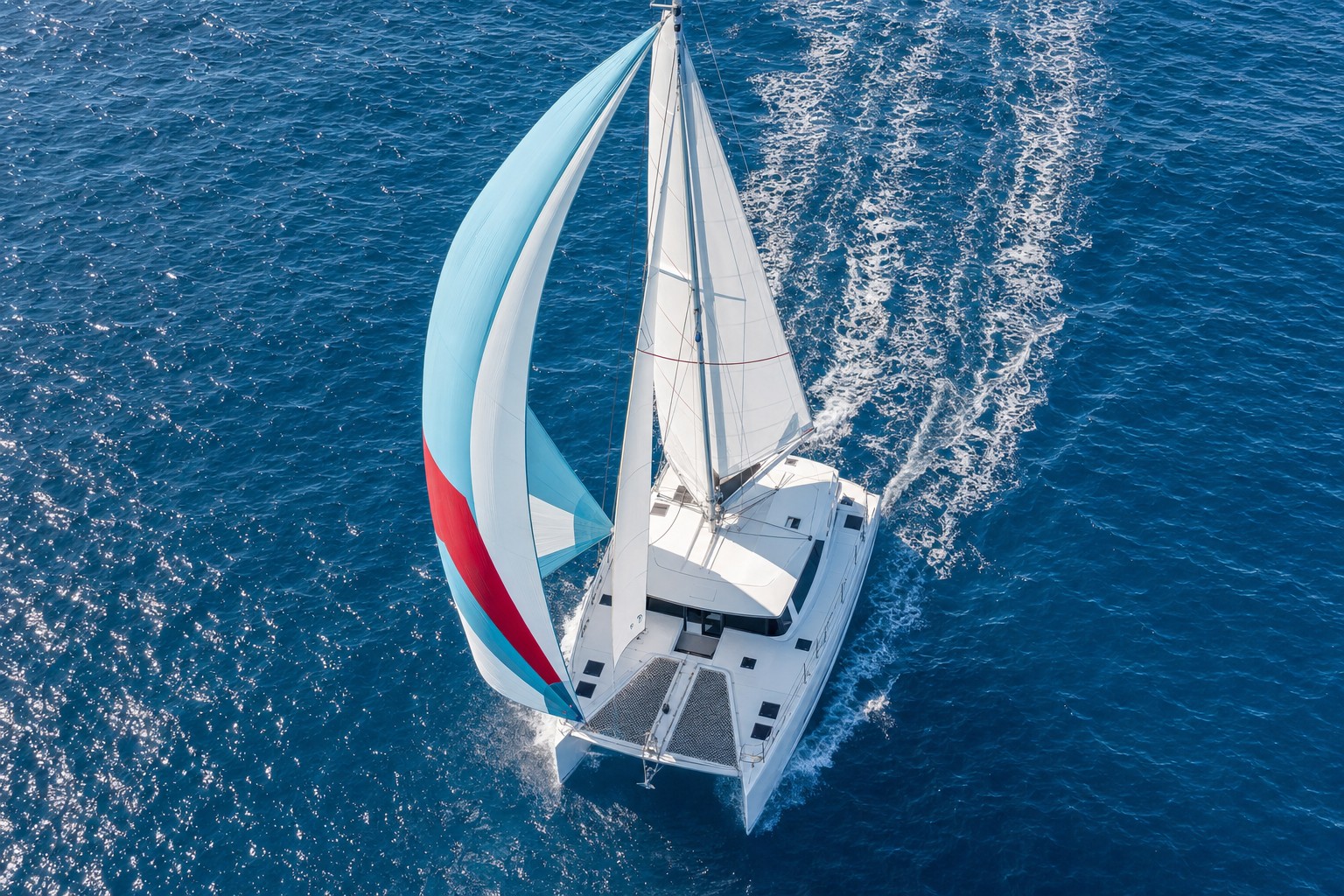
On a monohull, a jammed headsail furler is annoying but rarely a crisis: ease the main, tack away, drop the halyard, bear off under main alone while you sort it out. On a catamaran there is usually one forestay carrying one genoa, and that genoa does more of the steering work than most owners think, because the wide-set shrouds and flatter mainsail on a typical cat put less drive up top than on a monohull rig. A jammed furler on a 30 to 45-foot catamaran is a bigger problem than the same jam on a similarly sized monohull, and the rig around it is set up differently enough that a lot of generic furling advice does not quite apply. At 123Furling we get more catamaran-specific questions than the product pages would suggest, usually from owners who assumed a boat with two hulls would otherwise behave like a monohull.
Why there is no backup plan when a cat's genoa furler fails
Most production catamarans are built around a single permanent forestay and nothing else. Sailors on cruising forums who have looked into adding a removable inner forestay for a storm jib usually run into the same wall: there is rarely an attachment point on the bridgedeck strong enough for the loads, and a permanent inner stay gets in the way of tacking the genoa across a wide foretriangle. That means the primary furler is not one option among several, it is the only option, and sizing it correctly the first time matters more on a cat than on a monohull where a staysail or inner stay can carry you through a failure.
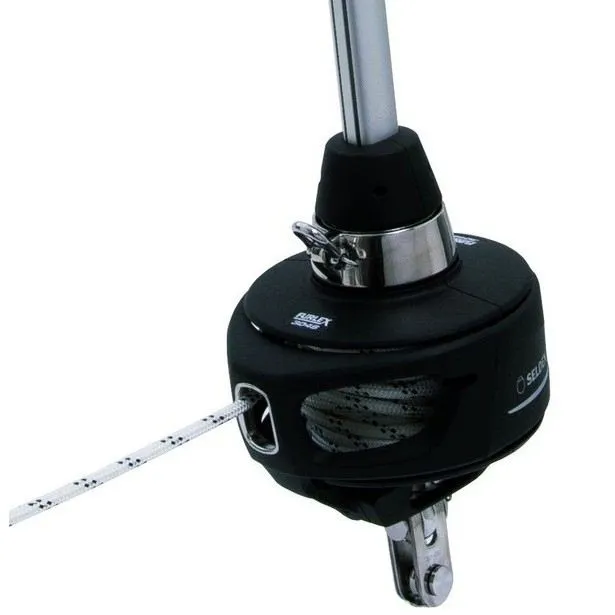
Forestay diameter on cats in the 30 to 45-foot range typically runs 8 to 10mm, similar to a monohull of the same length, but the loads are higher because of the wider shroud base and the way apparent wind builds on a fast hull. Undersizing the furler to save money is the single most common mistake we see quoted back to us by riggers. The Seldén Furlex and the other three majors are all viable on a cat's forestay, and we broke down which one actually fits which boat in our Furlex vs MKIV vs Profurl vs Facnor comparison. One detail that matters more on a cat: forum reports consistently show that reefing to the first tell-tale mark keeps decent shape up to 30 to 35 knots, but beyond that the sail shape, centre of effort and windward performance all degrade faster on a cat than on a monohull, because there is no deep-reefed mainsail geometry to compensate. That is an argument for sizing the furler for the full range you will actually sail, not just for the deepest reef you expect to need.
The screecher on the prodder is not an accessory, it is standard kit
This is the part that genuinely separates a catamaran from a monohull. Most cruising cats over 35 feet ship with a bowsprit or prodder specifically to fly a screecher or Code 0, permanently rigged on its own dedicated furler, ready to hoist without going forward to rig anything. On a monohull a Code 0 is a specialty sail for light-air racing days. On a cat it is closer to a second working headsail, because it recovers boat speed in exactly the wind range where a cat's flatter, less powerful sailplan struggles most.
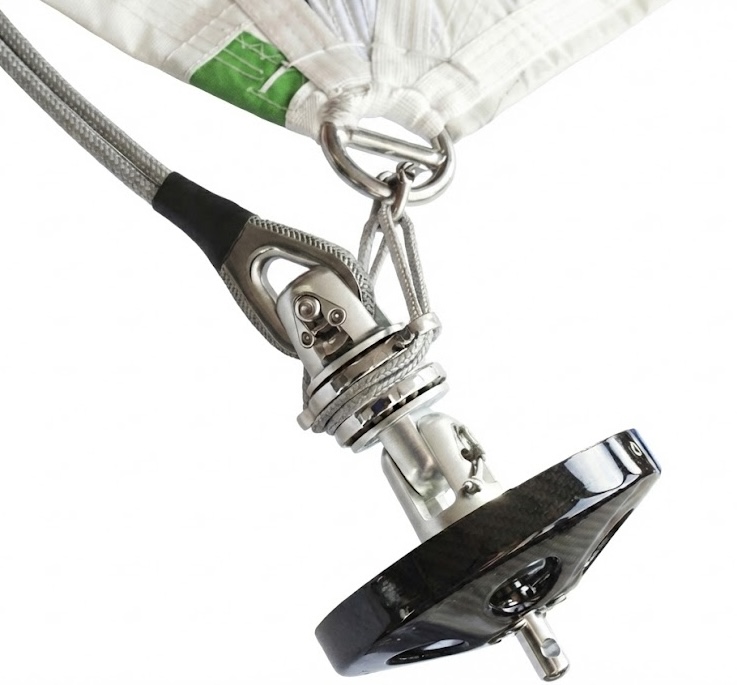
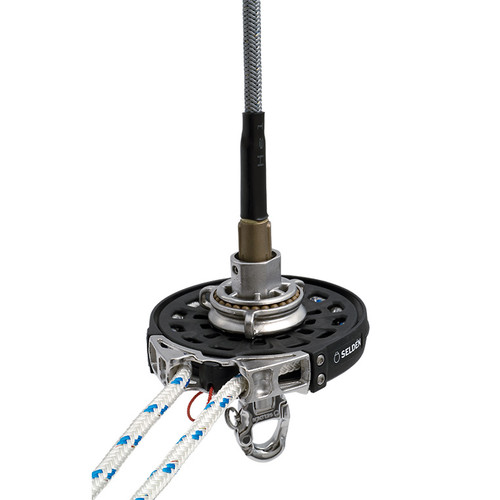
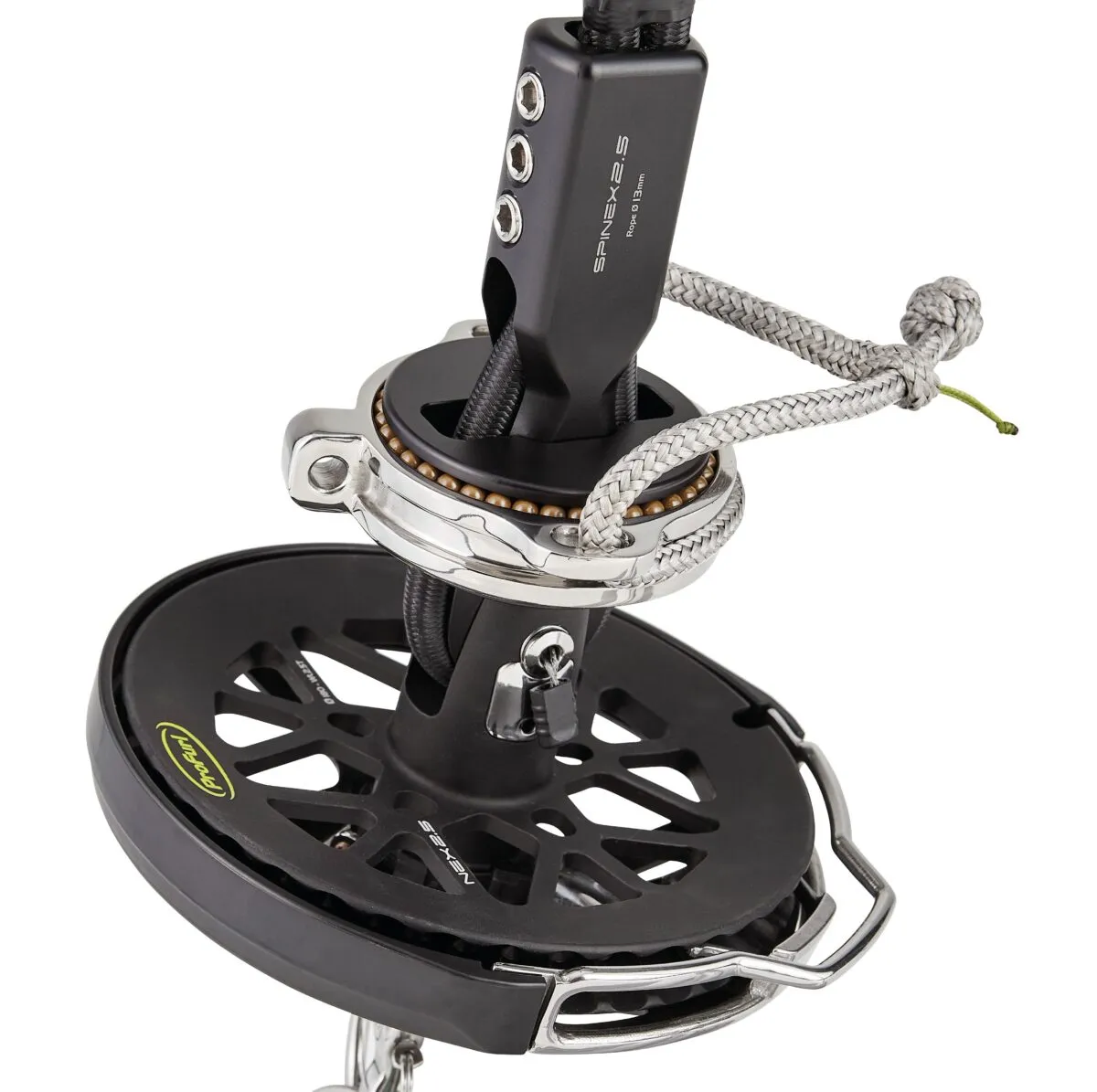
The furler underneath it matters as much as the sail. We compared the four realistic options for this job, the Facnor FX+ Gennaker Top-Down Furler, the Seldén GX and the Profurl Spinex in our top-down gennaker furler comparison, and the answer for most cats comes down to sail area rather than brand loyalty: a 45 to 55 square metre screecher on a 35 to 40-foot cat sits comfortably within the Spinex and FX+ ranges, while larger cats pushing 80 square metres and up need to check the SWL headroom carefully rather than assume the smallest model in a range will do.
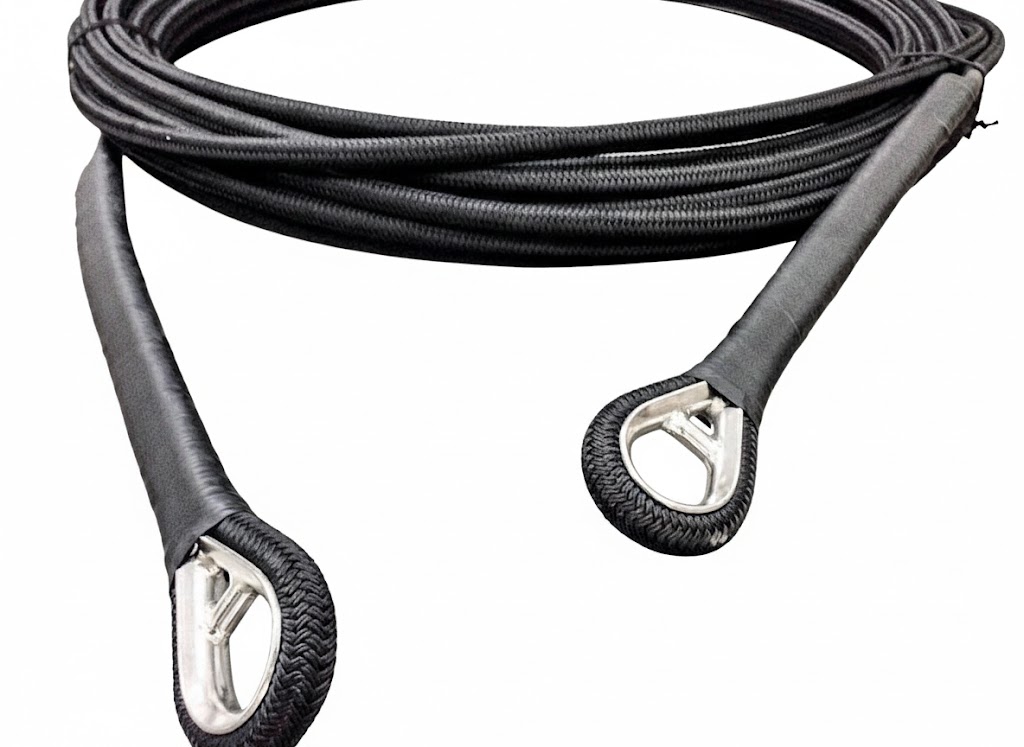
What riggers keep flagging on forums that manufacturer manuals gloss over: a screecher or Code 0 furls from the bottom up around a dedicated anti-torsion line running the full luff, not the wire-cored torsion inside a genoa foil, and that line needs to be sized to the sail, not to the forestay. Undersize it and the sail furls unevenly with hard spots that chafe. We cover the diameter math in our anti-torsion line sizing guide, and stock the anti-torsion line cut to length rather than in fixed reels, which matters on a cat because the luff length to a prodder tip is rarely a round number.
Why electric pays off sooner on a cat than on a similar-length monohull
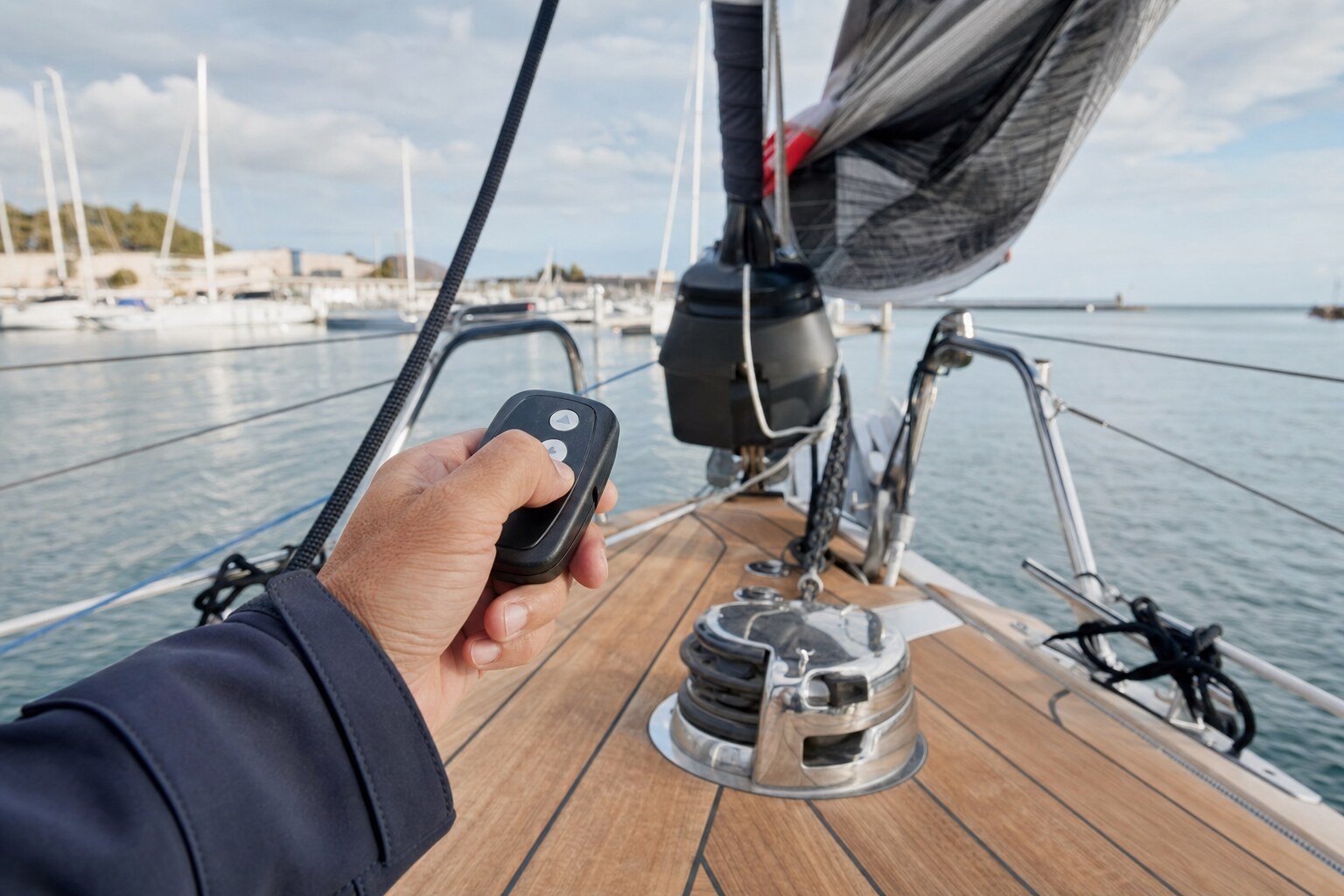
The economics of going electric shift on a catamaran. On a monohull we usually tell owners electric only earns its keep once you are reefing several times a day or sailing shorthanded past 40 feet. On a cat, two things pull that threshold down. First, the foredeck is wide and flat, which sounds like an advantage until you are the one walking out to the bow unit in a seaway to operate a manual override, a walk that is longer and more exposed than on a narrower monohull deck. Forum owners running electric headsail furlers repeatedly flag the same complaint: the manual backup on most electric kits has to be operated at the drum itself, not from the cockpit, which is a longer trip on a cat than the marketing photos suggest.
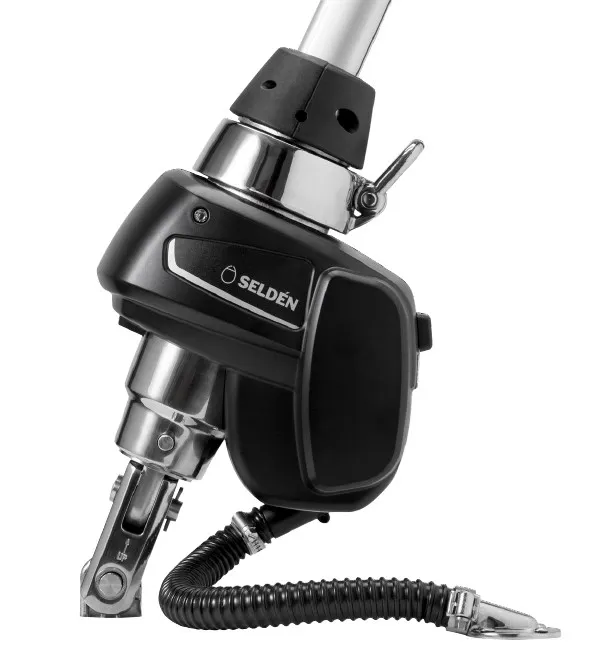
Second, cats cruising as couples or short-handed crews are common, and a lot of them already run a 24V house bank because of twin engines, which halves the amperage draw for the same motor power compared to a 12V genoa boat. That makes an electric retrofit a smaller electrical project on a cat than it typically is on a monohull of the same length. We laid out the brand-by-brand picture, including which manufacturers sell a factory electric unit versus a bolt-on motor kit, in our electric furler brand comparison, and the Seldén Furlex Electric (from around €3,440 for the standard on-deck version) is the one we install most often on cats in this size range specifically because it keeps a genuine manual override rather than depending entirely on the motor. If you are weighing a retrofit against buying electric from the start, our real-world conversion cost breakdown still applies to a cat's rig, though budget on the higher end given the extra cable run to a bow that sits further from the electrical panel than on most monohulls.
The mistake that shreds a screecher on a cat
Because a screecher furler is permanently rigged and easy to leave alone, owners leave the sail up for entire passages rather than dropping it below. That is fine until a squall arrives faster than expected. Sailors who have been caught this way describe the same sequence: the main is already down or reefed hard, there is nothing to blanket the screecher, and trying to furl it under full load causes the sail to flog instead of rolling in cleanly, which is exactly the load spike that makes a furling drum slip rather than grip. The fix is not a better furler, it is timing: get the screecher away before the squall line reaches you, and if you are caught, bear off first to unload the sail rather than trying to furl it hard on the wind.
The second recurring mistake is stacking sails on the same stay or prodder without thinking about chafe, for example running a storm sail forward of an already-furled screecher. The extra sail presses sideways on the furled sail beneath it, and over a season that wears a bald patch exactly where nobody looks during a routine check. If your cat carries both a genoa and a screecher, inspect the UV strip and the leech where the two sails can touch, not just the obvious high-load points.
Not sure whether your cat's forestay and prodder setup calls for a Furlex, an FX+, or something electric from the start? Send us your boat length, sail area and current rig through the product advisor, or email info@123furling.com and the 123Furling team will tell you plainly what actually fits.