

You are replacing a torn anti-torsion line on a Code 0, or you have just bought a new furler and the order form asks for a torsion cable diameter separately from everything else on the boat. The furler brand's website gives you a diameter range. Your rigger throws out a number. None of them explain why a 9mm line runs fine for years on one boat and turns into a twisted, hourglass-shaped mess on another boat that looks almost identical on paper. The millimeters on the label are only half the sizing question.
Forestay diameter and anti-torsion diameter are two different measurements
The most common mix-up we see at 123Furling is sailors assuming the anti-torsion line should match their forestay wire diameter, or scale with it directly. It does not. Your forestay carries the standing rigging load and holds the mast up. The anti-torsion line only has to resist twisting under furling torque while the Code 0 or gennaker rolls up around it. A 40-foot boat with a 10mm forestay might need an 11mm torsion line, or it might need 13mm, depending entirely on the furler model, the sail's SWL rating and how the sail is cut, not on what is holding the rig up.
A rough diameter guide by boat size and sail area
Manufacturers publish these ranges differently and none of them line up perfectly, but across Facnor, Seldén, Profurl and Harken systems the pattern holds well enough to plan around:
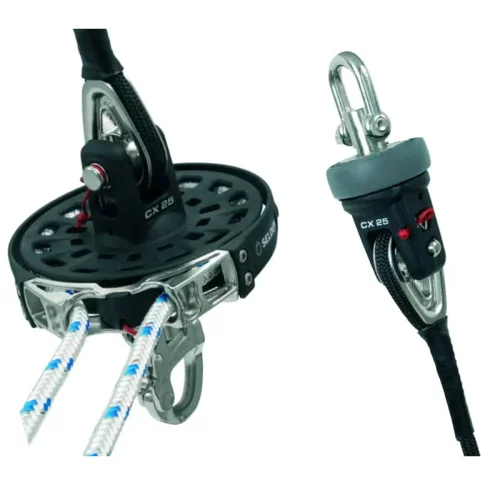
- 6-9mm: boats up to roughly 28ft, Code 0 sails up to about 30m². This covers the smaller Facnor FX+ and Seldén CX units.
- 10-11mm: boats around 28-35ft, sails up to roughly 60m². Where most cruising Code 0 setups on a 34-38ft boat land.
- 12-13mm: boats in the 35-45ft range, sails up to around 100-140m². This is where the larger Facnor FX+ and Profurl NEX models sit.
- 15-20mm: boats above 45ft, or high-SWL gennaker and Code 0 setups with sails well past 140m². The bigger Profurl NEX V2R units go up to 450m² and need cable at this end of the range.
These bands are wide on purpose. Two identical-length boats can need different diameters because one sails a flat, high-clew Code 0 and the other flies a deeper reaching sail with more area and more load. If you are unsure which end of a band you are in, check the SWL on your furler's data plate before you order, not the boat's LOA.
Top-down and bottom-up furlers do not scale the same way
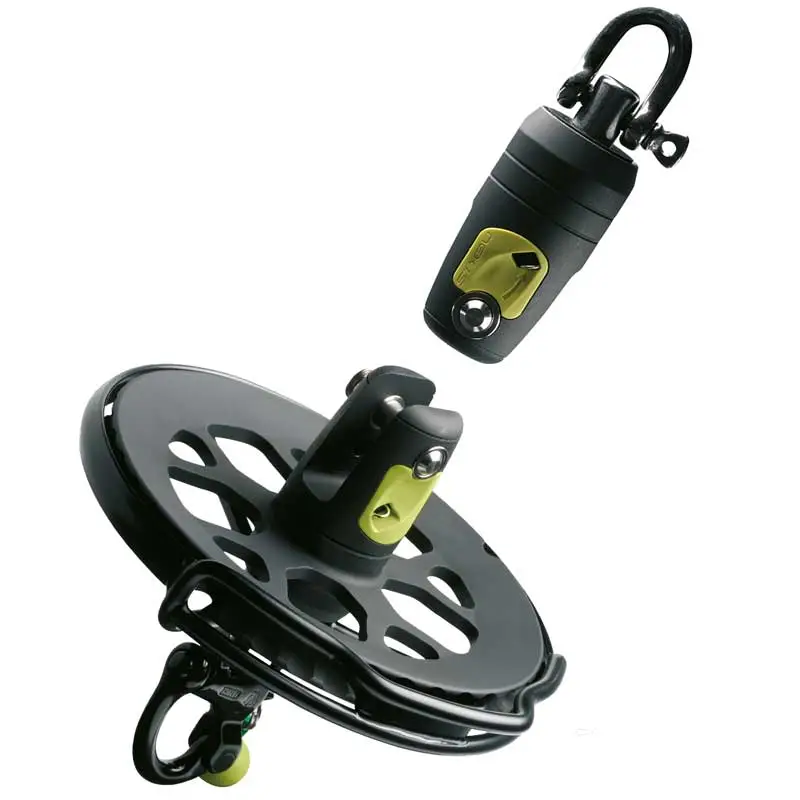
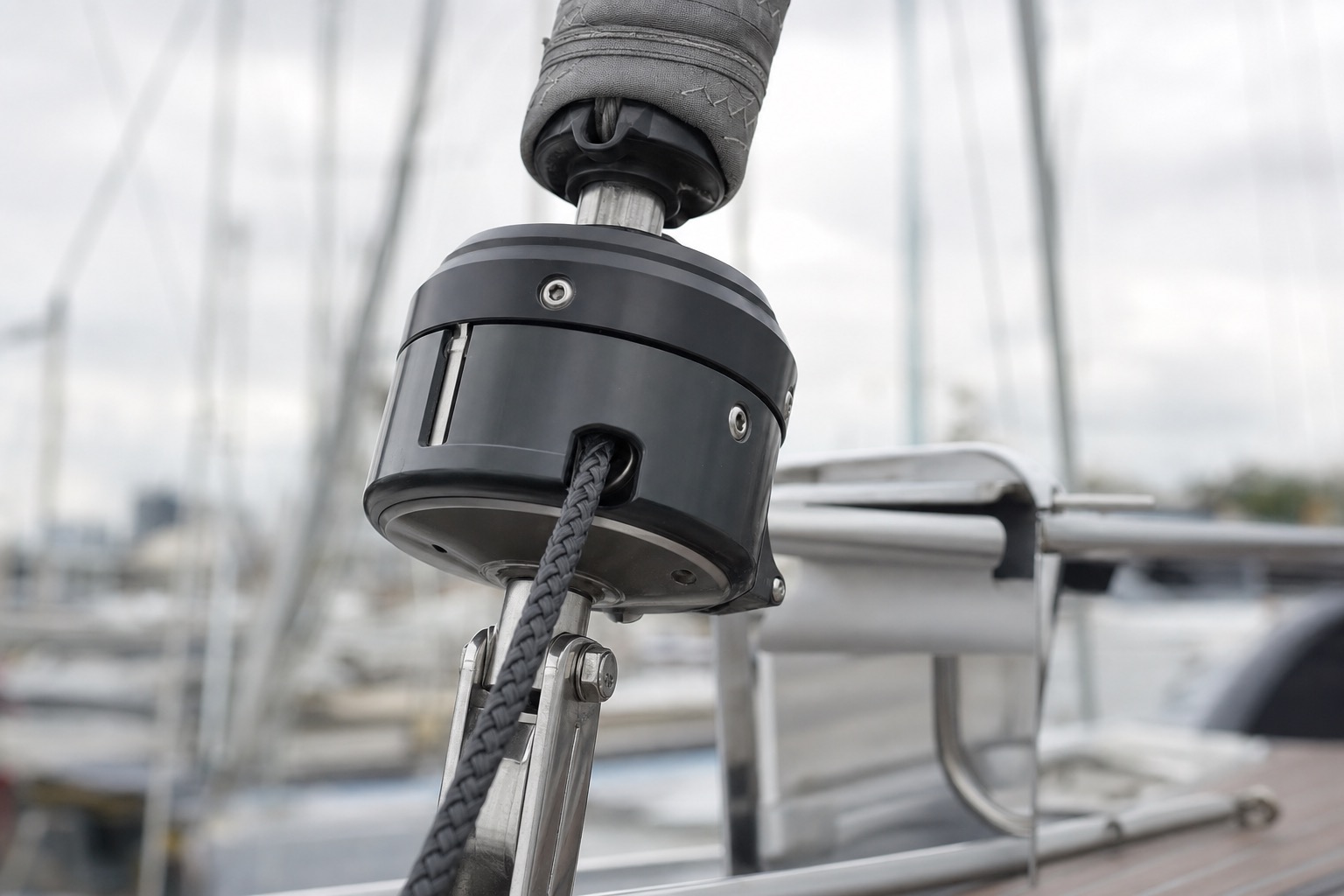
This is the part most sizing charts skip. A top-down furler, where the swivel travels down the cable as the sail furls, puts torque on the anti-torsion line along its entire length while the drum is spinning at speed. A bottom-up furler only twists the section of cable below the swivel at any given moment, so the load is lower for the same length and diameter. Two boats with the same forestay length and the same sail area can need different anti-torsion diameters simply because one runs a top-down system like a Profurl NEX and the other runs a bottom-up Seldén CX. If you are converting a furler type or buying a replacement line for a system you did not originally spec, tell your supplier which furling direction it is, not just the length and the brand.
Length changes the diameter you need more than most sailors expect
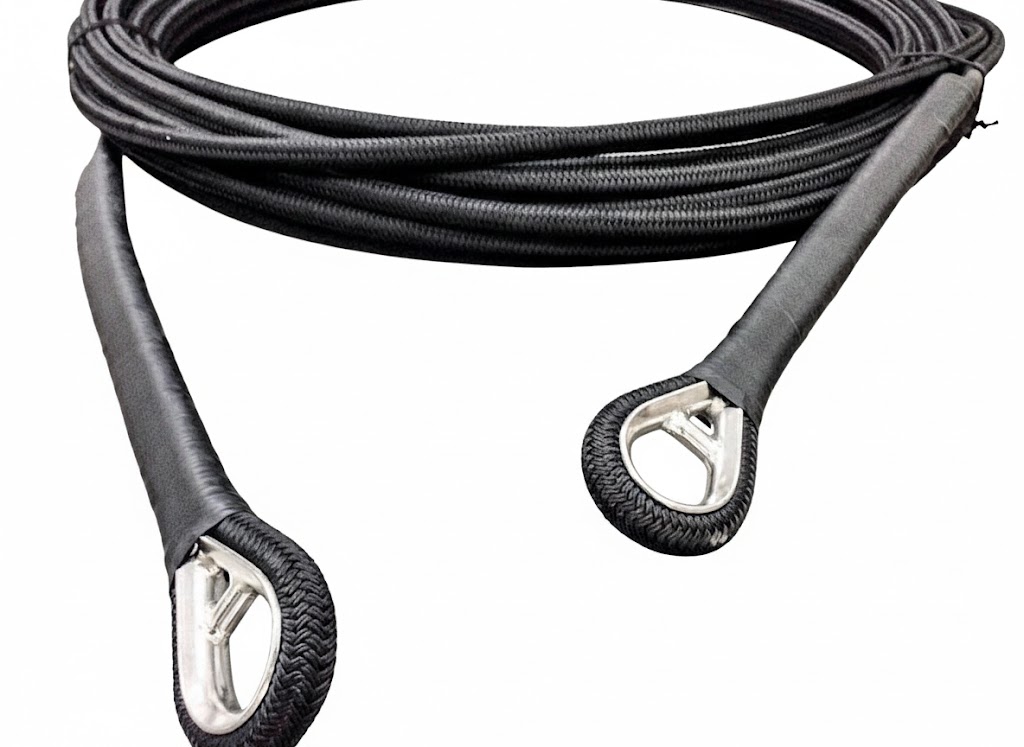
A thin torsion line feels perfectly stiff when you flex a one-metre offcut in the shop. Stretched out over a 15 or 18-metre forestay under load, that same diameter can twist like an elastic band instead of transmitting torque cleanly, which is exactly the fault that makes a Code 0 roll up loose and baggy instead of tight. As a working rule, torsion rope stays practical up to around 15m on top-down systems and 18-19m on bottom-up systems. Past that length, a rope-core cable starts to twist under its own length before it fully unwinds the sail, and the fix is not a bigger diameter, it is switching to a custom torsion cable built from individual fibres braided around thimbles at each end rather than cut from standard torsion rope. On a 50 or 55-foot boat with a long luff, that is often the real reason a "correctly sized" 13mm line still does not furl cleanly. The length is past what rope construction handles well, not the diameter.
Dyneema rope versus a custom cable
Standard anti-torsion line on the market, including what we stock at 123Furling, uses a Dyneema SK75 core, which is the right call for the vast majority of cruising boats. It is strong for its weight, does not stretch under load the way a nylon or polyester core would, and holds up to UV and chafe reasonably well when covered. Race boats chasing minimal luff sag sometimes spec a custom PBO-core cable instead, which is stiffer and lighter for the same diameter, but it is a made-to-order product, not something you pick off a size chart, and the price reflects that. For a cruising Code 0 or gennaker on a 30-50ft boat, Dyneema rope in the right diameter and within the length limits above is the sensible choice almost every time.
The mistake that ruins a brand-new line in one season
Sailors who order the correct diameter still damage a new anti-torsion line within months by coiling it the wrong way during winter storage or transport. Torsion rope has a built-in twist direction matched to how the sail furls. Coil it against that lay, the way you would naturally coil a normal line, and you are pre-loading a twist into the core before it ever goes back on the boat. The result shows up the following season as a sail that rolls up unevenly from the first reef, even though nothing about the diameter or length has changed. If your rigger or the product page specifies a coiling direction, follow it, and if you are not sure, ask before you store the line rather than after the sail will not furl straight.
Still not sure whether a top-down or bottom-up setup is right for your boat in the first place? Our guide on choosing between a Code 0 and a gennaker furler covers how that decision changes the rest of your rig, including line sizing. And if you already have a furler but are not sure the anti-torsion line even needs replacing yet, start with when an anti-torsion line actually needs replacing. Send us your furler's brand, model and SWL rating and we will confirm the exact diameter before you order. At 123Furling our anti-torsion line is stocked from 6mm up to 20mm.