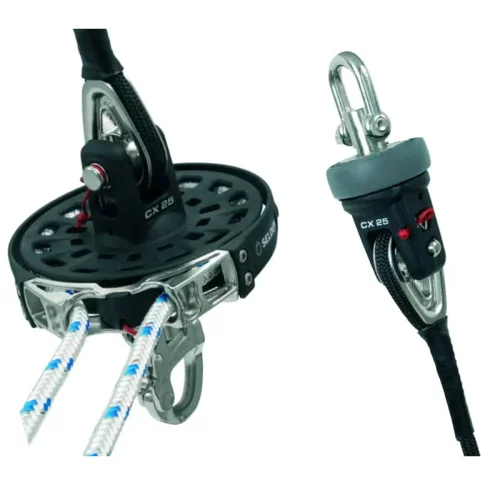


Buy a Code 0 furler and a gennaker furler side by side and they look nearly identical: a drum at the bottom, a swivel at the top, a torsion cable running the length of the luff. Rig them the same way, though, and the gennaker system jams, traps a bubble of sail halfway through the furl, or leaves a loose bag of cloth flogging at the tack. That is not a bad product. Most gennakers need to furl from the top down and most Code 0s need to furl from the bottom up, and mixing the two up is the single most common mistake we see at 123Furling when sailors move from a straight-luff reacher to a deeper, free-flying asymmetric.
What a top-down furler actually does differently
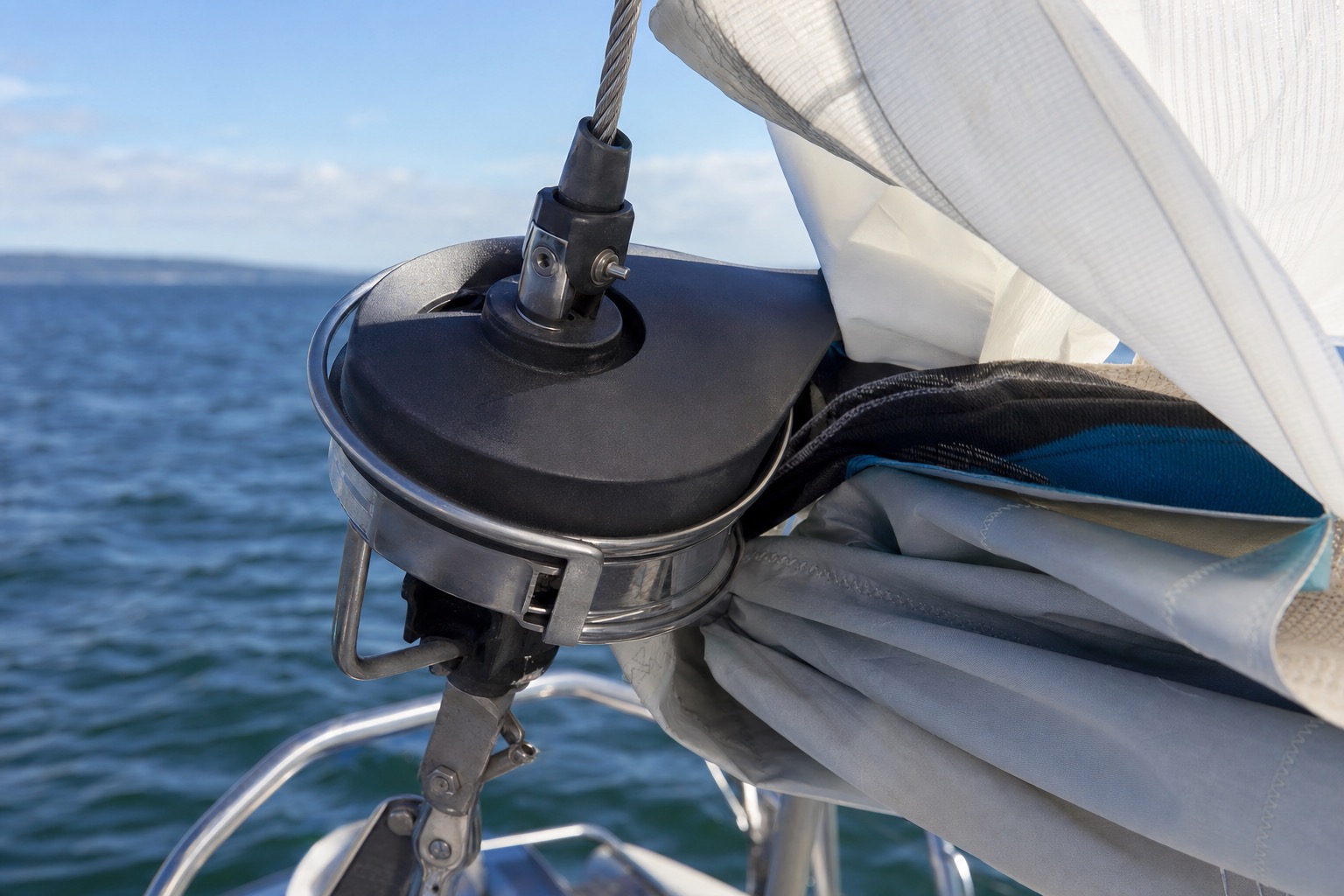
On a bottom-up system, the torsion cable runs inside a luff sleeve sewn into the sail, fixed to the cable at both the head and the tack. Turn the drum and the furl starts at the tack and climbs upward, the same way you reef a genoa. That works fine as long as the sail carries a straight luff under real tension, which is why it is the standard setup for Code 0s and genoa staysails.
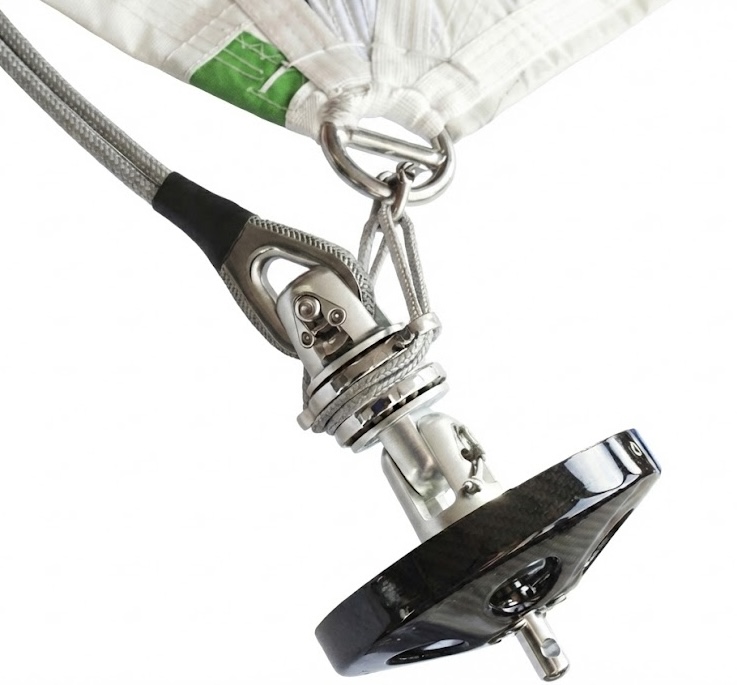
A deep asymmetric gennaker will not cooperate with that logic. The sail is cut with a loose, curved luff so it can fly away from the forestay at deeper angles, and if you try to furl that shape from the bottom, the middle of the sail keeps flying while the top and bottom wrap independently, trapping a pocket of air you cannot shake loose. A top-down furler gets around this by attaching the sail only at the head. The tack sits on a free-floating tack swivel mounted on the drum, unconnected to the cable itself. Turn the drum and the torque travels up the cable to the head first, so the furl works its way down from head to tack, squeezing air out ahead of the wrap instead of trapping it in the middle.
Where bottom-up still wins
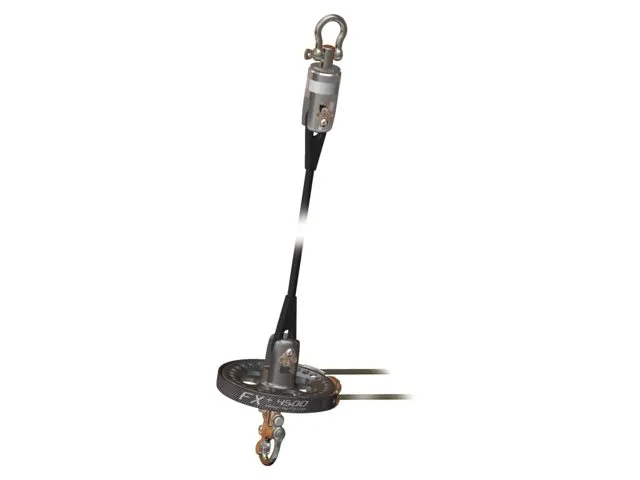
None of this makes top-down furling universally better. For a reaching sail with a straight, tensioned luff, bottom-up is simpler, lighter and cheaper, because it skips the extra tack swivel hardware entirely. That is exactly why the Facnor FX+ Code 0 Furler (from €845) and the Seldén CX Code 0 System (from €776.60) are both bottom-up designs, not top-down ones, despite the family resemblance to their gennaker siblings. If a straight-luff Code 0 for close reaching is what you actually sail, buying top-down hardware for it only adds weight and cost you do not need. We compared bottom-up Code 0 options in more depth in our Code 0 vs gennaker furler guide, useful if you have not settled on the sail shape yet.
The tension mistake that wrecks the first ten furls
Sailors who switch to top-down for the first time almost always blame the furler when the real problem is tension. The lesson shows up again and again on sailing forums: the torsion cable has to be under real load, or the drum just twists the cable instead of turning the sail. Owners who have been through the learning curve keep repeating the same fix: keep the tack line or shock cord as tight as it will go, because a slack tack is the single biggest cause of an uneven furl. The other half of the equation is halyard tension. Several furler manuals cap the recommended load at around 150 lbs (roughly 68 kg), and sailors who crank it down harder than that with a winch end up overloading the swivel bearings without actually improving the furl.
Sheet tension matters just as much. Ease the sheet too early while furling and the middle of the sail bags out instead of wrapping tight, and the fix is to unfurl and refurl rather than fight it halfway through. At 123Furling we tell customers to practice the first handful of furls in under 12 knots before trying it in a proper breeze, since the technique is specific to each sail's cut and takes a few tries to get consistent.
How to tell if you already own a "fake" top-down system
There is a genuine diagnostic confusion worth clearing up. Not every furler sold for a gennaker is a true top-down system, and not every sailor who thinks they own one actually does. If the tack of your sail rotates together with the drum while you furl, and the bottom of the sail wraps around the cable the same way a Code 0 does, you have a bottom-up furler being used on a sail it was not designed for, not a top-down one. A genuine top-down furler keeps the tack essentially stationary on its own free swivel while the head does the rotating. If you are not sure which one is bolted to your bow, look for a separate tack swivel unit mounted above the drum. No separate swivel means no true top-down furling, whatever the sail loft called it when they sold you the setup.
Matching the furler to the sail you actually have
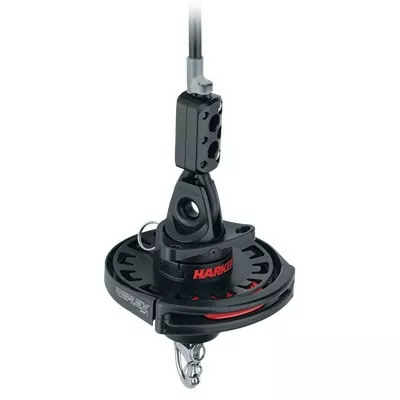
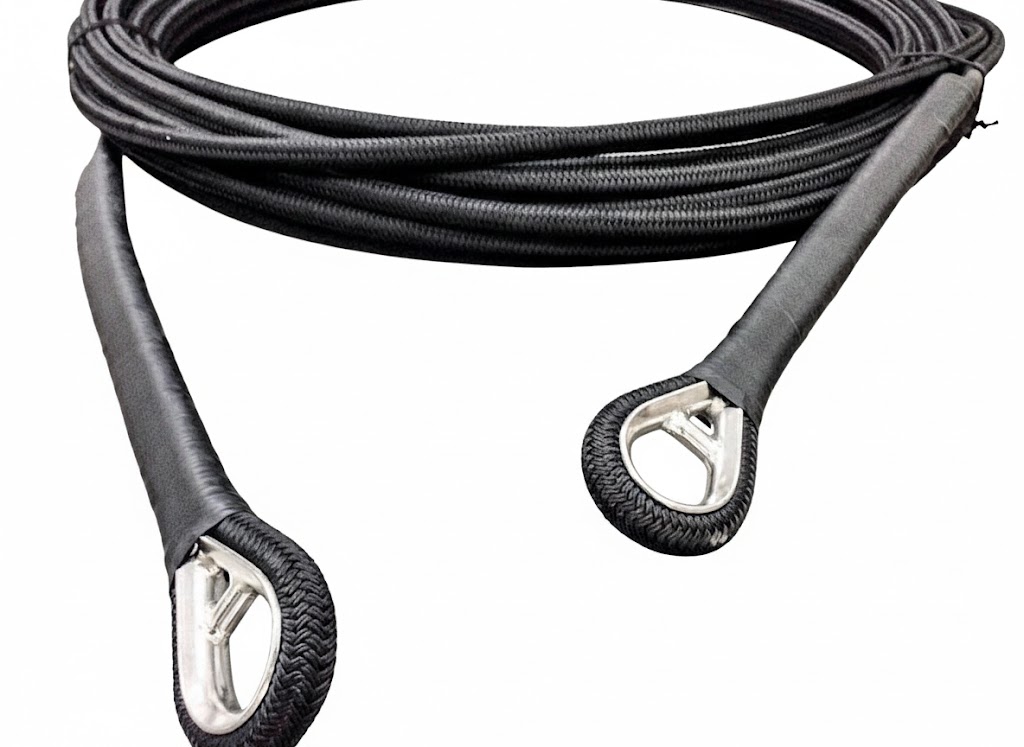
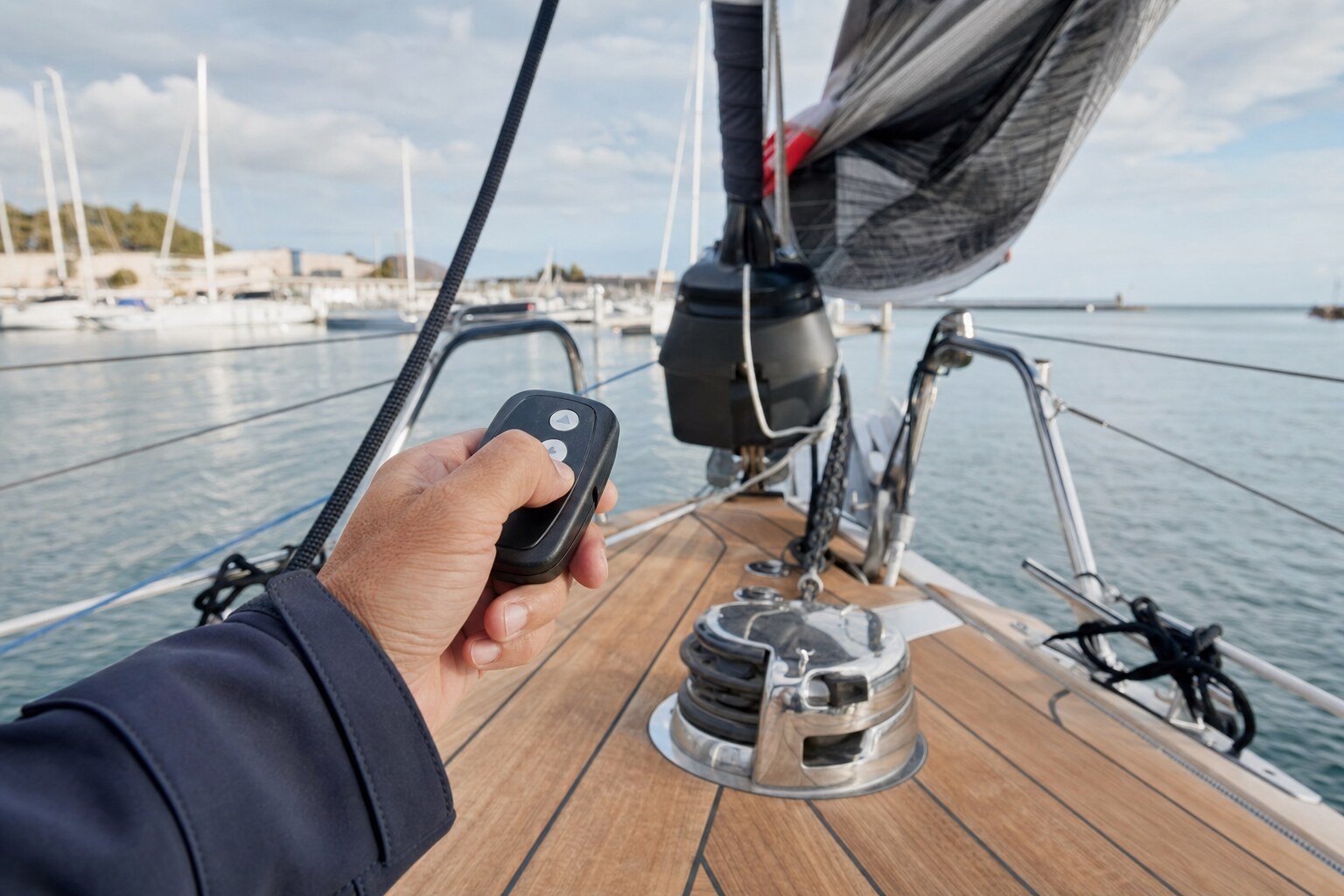
For a genuine top-down setup, the Facnor Fast FX+ Asymmetric Spinnaker / Gennaker Top-Down Furler (from €1,559) is purpose-built with the tack swivel included as standard, and the Harken Reflex Furling Gennaker System (from €1,765) is the heavier-duty option we recommend at 123Furling for boats over 40 feet flying a gennaker regularly rather than occasionally. Either system still depends entirely on the anti-torsion line transmitting torque cleanly along its full length. A stretchy or undersized torque line is the most common reason a correctly installed top-down furler still furls unevenly, so it is worth checking against our anti-torsion line guide before assuming the furler itself is at fault. And if the furling technique starts feeling natural but hauling the tack line by hand every time gets old, our breakdown of what an electric gennaker upgrade actually costs covers whether that step is worth it for your boat.
Still not sure whether your gennaker needs a top-down furler, or whether your current Code 0 setup would actually suit it better? Use our product advisor or send us the sail's luff shape and your boat details at info@123furling.com and we will tell you straight.