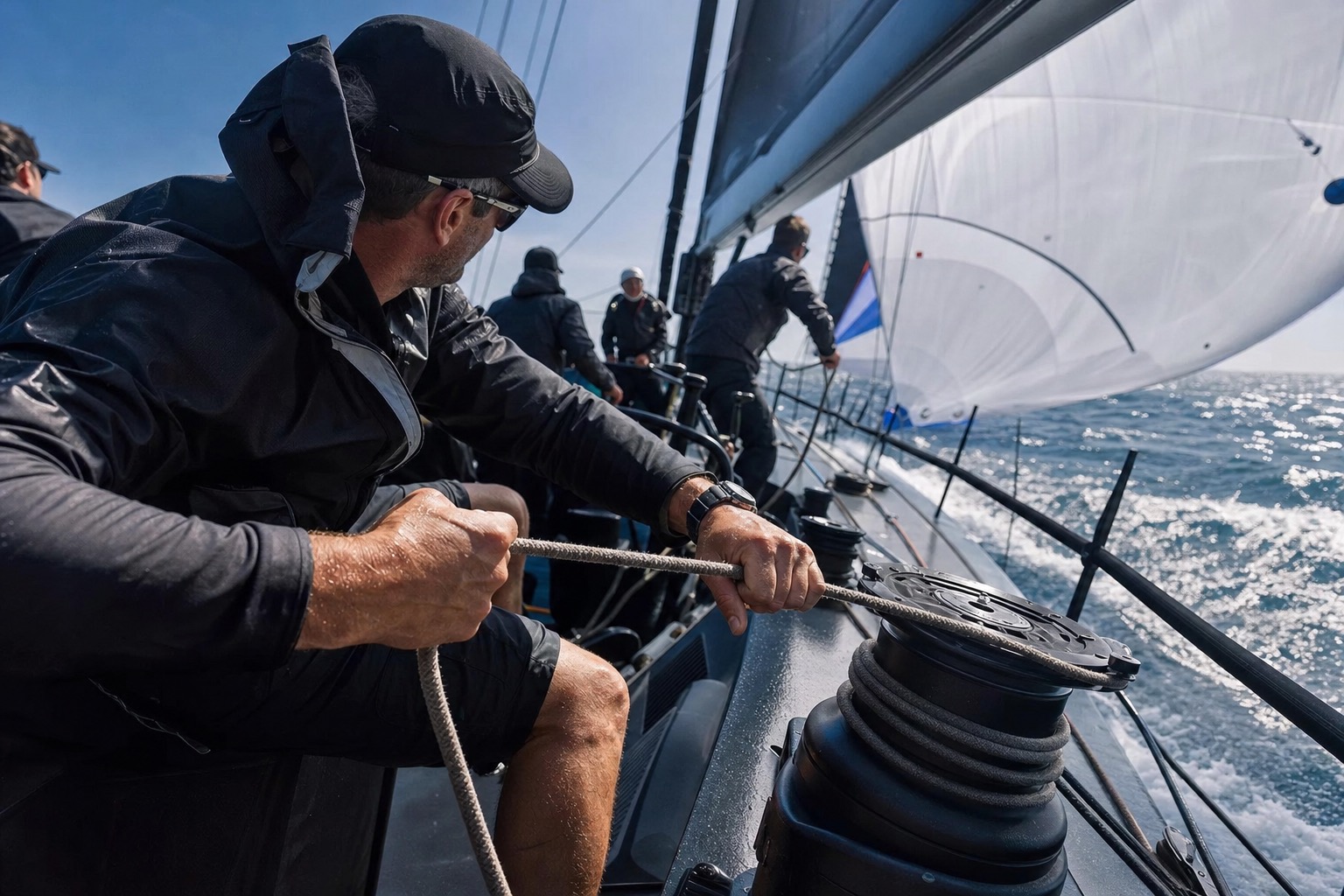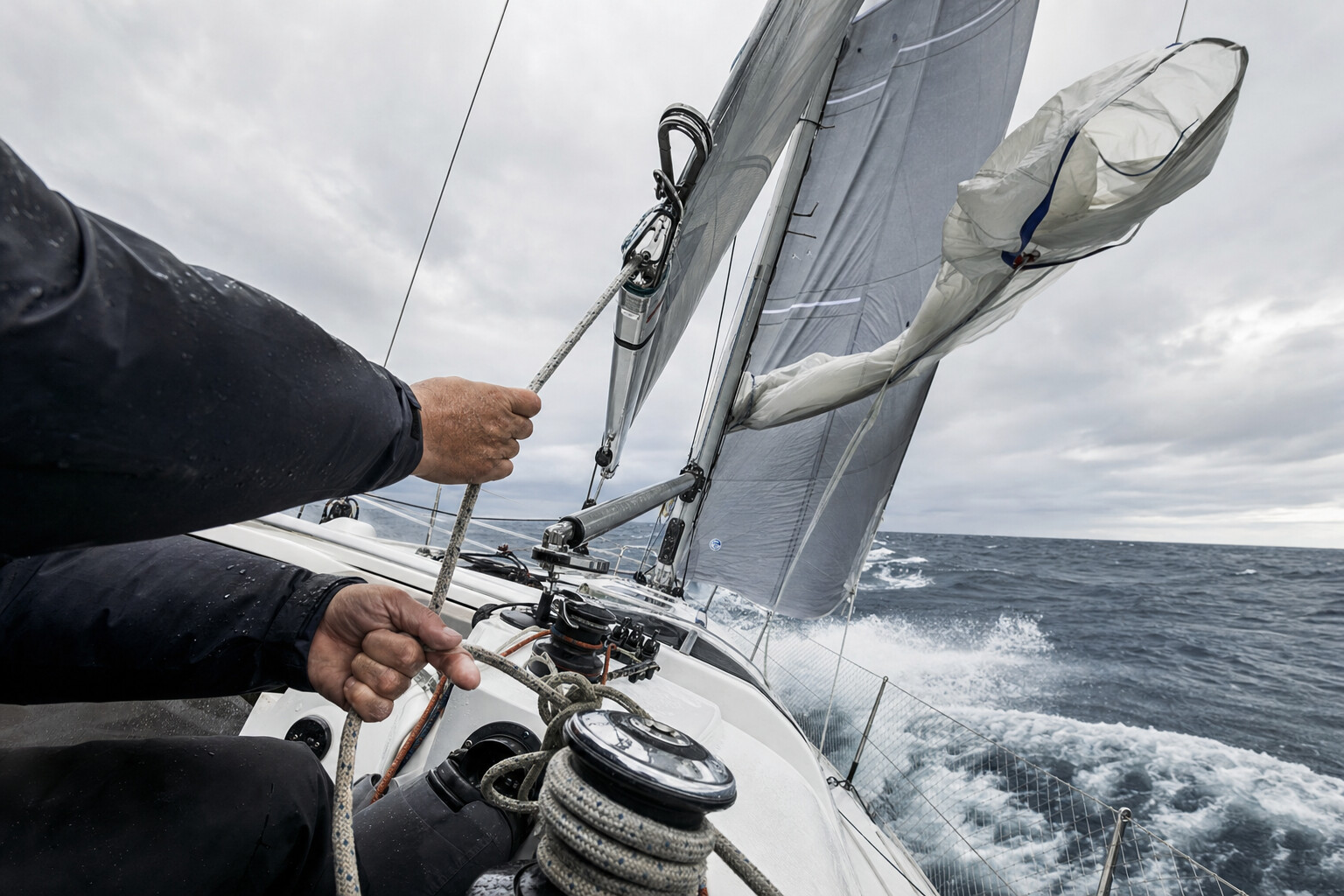



A 120 square metre gennaker on a 44-footer doesn't furl itself. When you're sailing short-handed, the wind has picked up, and you need the sail down before you reach the anchorage, the difference between pushing a button and hauling a furling line by hand is real. But that button costs roughly three times more than the manual alternative.
Here's how to decide whether that premium makes sense for your boat, your crew, and how you actually sail.
What you're actually comparing
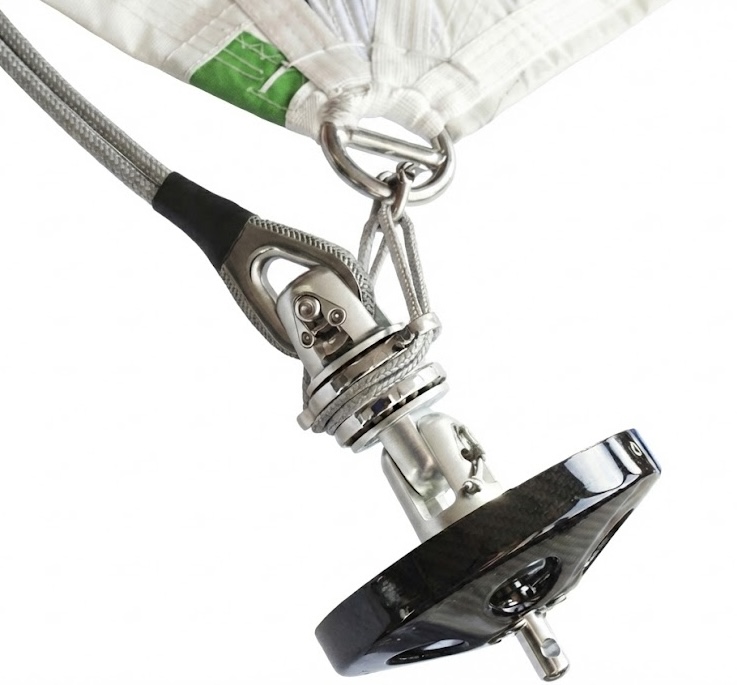
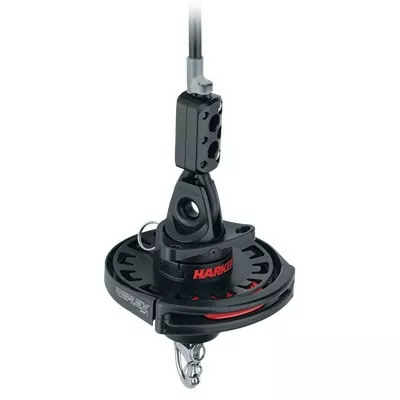
A manual gennaker furler like the Facnor Fast FX+ Gennaker runs €1,559. The Harken Reflex Gennaker costs €1,765. Both are proven top-down furling systems fitted on thousands of boats across Europe.
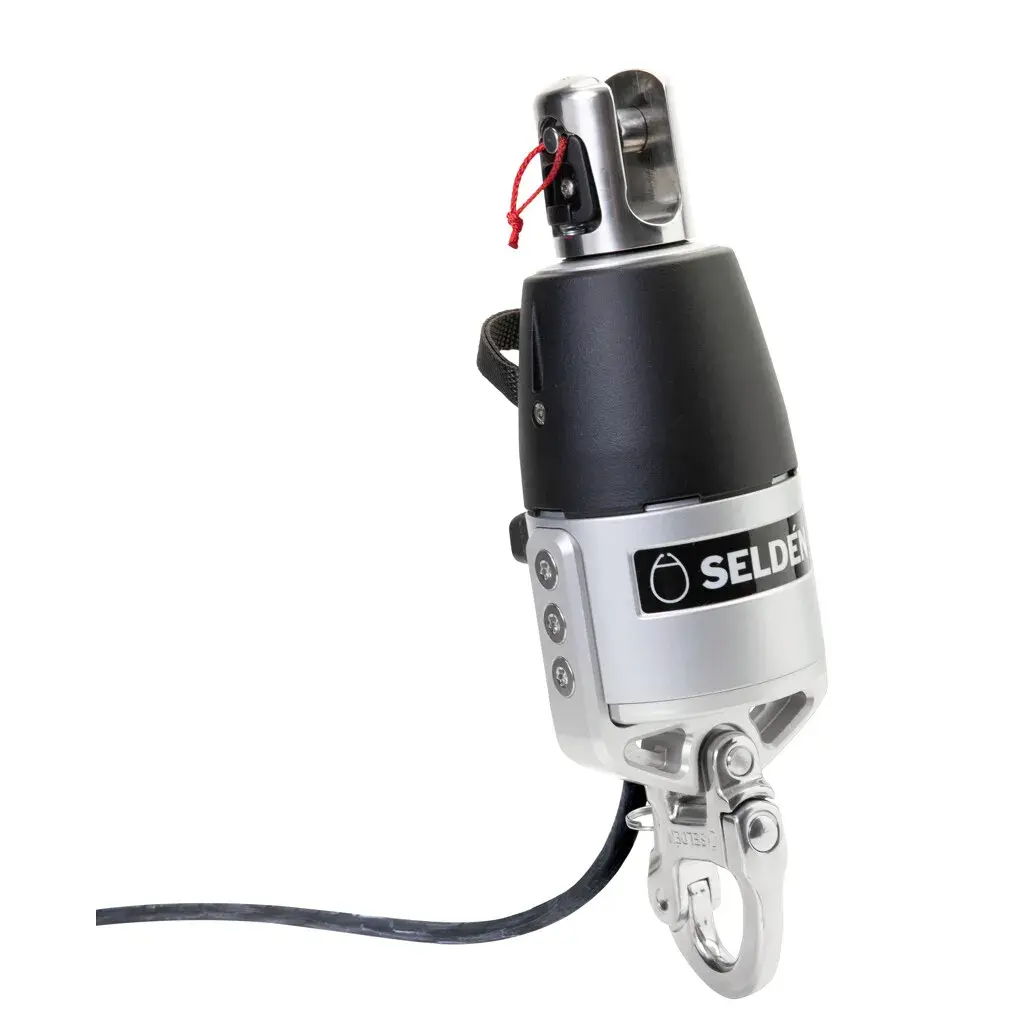
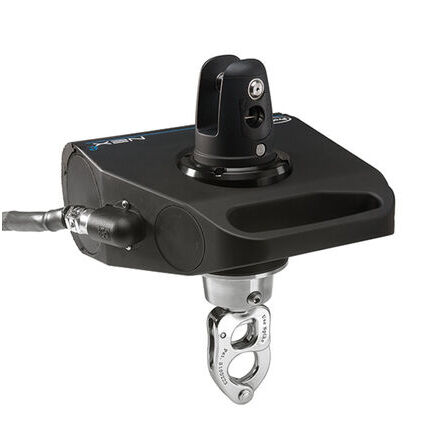
Electric gennaker furlers start at €4,819 for the Seldén CXe Gennaker and reach €5,217 for the Profurl NEXe Electric. Add installation costs and the gap widens considerably.
The question isn't which system is better in absolute terms - it's whether the electric convenience is worth that price difference for your specific situation. If you haven't yet decided between a gennaker and a code 0 furler, our guide to choosing between the two is a good starting point.
The boat size that tips the balance
At 123Furling, we see a fairly consistent pattern in the advice we give customers. On boats under 38 feet with a gennaker under 60 square metres, a manual furler is almost always the right choice. The sails are light enough to furl without significant effort, even in 20 knots of apparent wind, and the simplicity of the system means less to go wrong offshore.
From 38 to 45 feet, it depends heavily on how you sail. Short-handed cruisers doing overnight passages who need to gybe or douse the gennaker in the dark will find the electric upgrade pays off quickly. Day sailors with full crew who can put someone on the bow and someone tailing the furling line in the cockpit often manage well with manual.
Above 45 feet, gennakers typically exceed 100 square metres. The load on the furling line at that size, especially in 20-plus knots, makes the mechanical advantage you need from a manual system complex: powerful winches, long line runs back to the cockpit, a dedicated crew member to manage the tail. At that point, electric is less a luxury and more a practical answer to a real problem.
Seldén CXe vs Profurl NEXe: where the differences matter
Both the Seldén CXe Gennaker and the Profurl NEXe drive a continuous furling line that rolls the sail from the top down. The engineering underneath differs in ways that matter for installation and daily use.
The Seldén CXe runs on a 42-volt bus system rather than standard 12V or 24V DC. In practice, higher voltage means lower current draw, so the cables stay thinner. On a 45-footer where you're running cable from the cockpit area to the forepeak, thin cables matter. The CXe motor runs at 1,000 watts and furls a sail in roughly 10 seconds. The CXe25 handles a max working load of 2.5 tonnes and suits boats up to around 48 feet. The CXe45 steps up for larger rigs.
The Profurl NEXe connects directly to your standard onboard power grid, either 12V or 24V. If you'd rather avoid adding a dedicated 42V power supply, the NEXe is simpler from a wiring standpoint. The NEXe comes in 5.0 and 8.0 variants; the 8.0 is designed for boats with larger sail areas and higher line loads.
Both systems work reliably. The CXe's 42V architecture is an advantage if your boat's house bank can't consistently supply high surge current at 12V. The NEXe's standard voltage is simpler to integrate if you already have a well-dimensioned 12V or 24V electrical system.
On-deck or through-deck: the choice at your bow
Both the Seldén CXe Gennaker and the Profurl NEXe are available in on-deck and through-deck configurations. This choice matters more than most sailors expect.
On-deck installation puts the drum and motor unit at the bow fitting or along the bowsprit, visible above deck. You attach it to an existing pad-eye or anchor fitting, run the furling line aft to a winch, and connect the power cable. No holes through fibreglass, no additional sealing, and the installation is reversible. A competent rigger typically needs 4-6 hours.
Through-deck puts the housing below the deck surface or inside the bowsprit, with only the connection points visible. It's cleaner aesthetically and keeps the bow profile lower. The trade-off is complexity: cutting through the deck, adding structural reinforcement, and sealing everything properly. For a new build or a major refit, through-deck is worth the effort. For a boat already sailing, on-deck is almost always the simpler starting point.
What the installation really costs beyond the furler price
The furler unit is only part of the total cost. For any electric system, budget separately for:
- Cable runs: typically 8-15 metres of marine-grade tinned cable from the power source to the furler, sized for the motor's peak current draw. Electric gennaker furlers draw significant surge current at startup - don't undersize the cable.
- Circuit breaker: a dedicated 40-60A breaker for the furler circuit, mounted near the battery bank.
- Control module: the Seldén CXe uses a dedicated ScanPod display or integrates with compatible chartplotters. The Profurl NEXe can be controlled via a button panel or wired into existing NMEA switching.
- Labour: on a 40-45 foot boat, plan for 6-10 hours of rigger or electrician time, more for through-deck mounting or complex electrical runs.
A complete electric gennaker furler installation on a 40-45 foot boat realistically runs €6,000 to €8,500 all-in, depending on the system, your existing electrical setup, and labour costs in your area.
Choosing the right system for how you sail
If you're on a 35-40 foot boat with occasional downwind legs and you usually have two or more crew, the Facnor Fast FX+ or Harken Reflex Gennaker will serve you well at a fraction of the electric cost. You'll need to be organised when furling in fresh conditions - it's not a one-person operation at 25 knots - but the systems are reliable and the sailing mechanics are well understood. For a broader look at where manual and electric furling each make sense, see our manual vs electric furling guide.
If you're on a 42-48 footer sailing short-handed, making longer passages where the gennaker stays up for days, or you want to handle the sail yourself from the cockpit, the Seldén CXe Gennaker is the system we see fitted most often in that size range. Seldén's support network is strong across European marinas, which matters when something needs adjusting mid-season.
For boats above 48 feet with higher sail area and bigger rigs, the Profurl NEXe 8.0 is worth a close look alongside the CXe45. Both handle the higher working loads; your choice may come down to your existing electrical setup and which system your rigger knows best.
Not sure which system fits your specific boat and rig? Use the 123Furling product advisor to match your forestay length, sail area, and installation preference to the right furler - or send the specs to info@123furling.com.