


The choice between a manual and electric furling system is one of the most important decisions you'll make when upgrading your sailboat's sail handling equipment. Both options have their distinct advantages, and the right choice depends on your sailing style, boat size, crew composition, and budget. In this comprehensive guide, we'll explore the key differences to help you make an informed decision.
Understanding the basics
At their core, both manual and electric furling systems serve the same purpose: they allow you to roll up your headsail around the forestay for easy storage and reefing. The fundamental difference lies in how the furling drum is operated. Manual systems use a furling line that you pull by hand, while electric systems employ a motor to do the work for you.
Manual furling systems have been the standard for decades and remain extremely popular, particularly on boats under 40 feet. They're simple, reliable, and require minimal maintenance. Electric systems, on the other hand, represent the evolution of sail handling technology, offering push-button convenience that's increasingly appealing to modern sailors.
Manual furling systems: proven simplicity
Manual furling systems have earned their reputation through decades of reliable service on boats around the world. Leading manufacturers like Seldén, Profurl, Harken, and Facnor all offer excellent manual options, each with their own strengths.
The Seldén Furlex is the world's most popular roller furling system, featuring patented load distribution and a "free turn" function that ensures smooth operation.
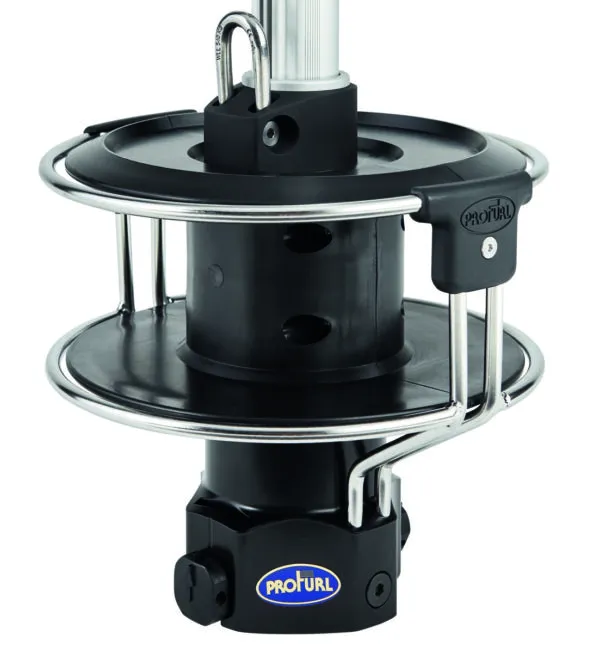
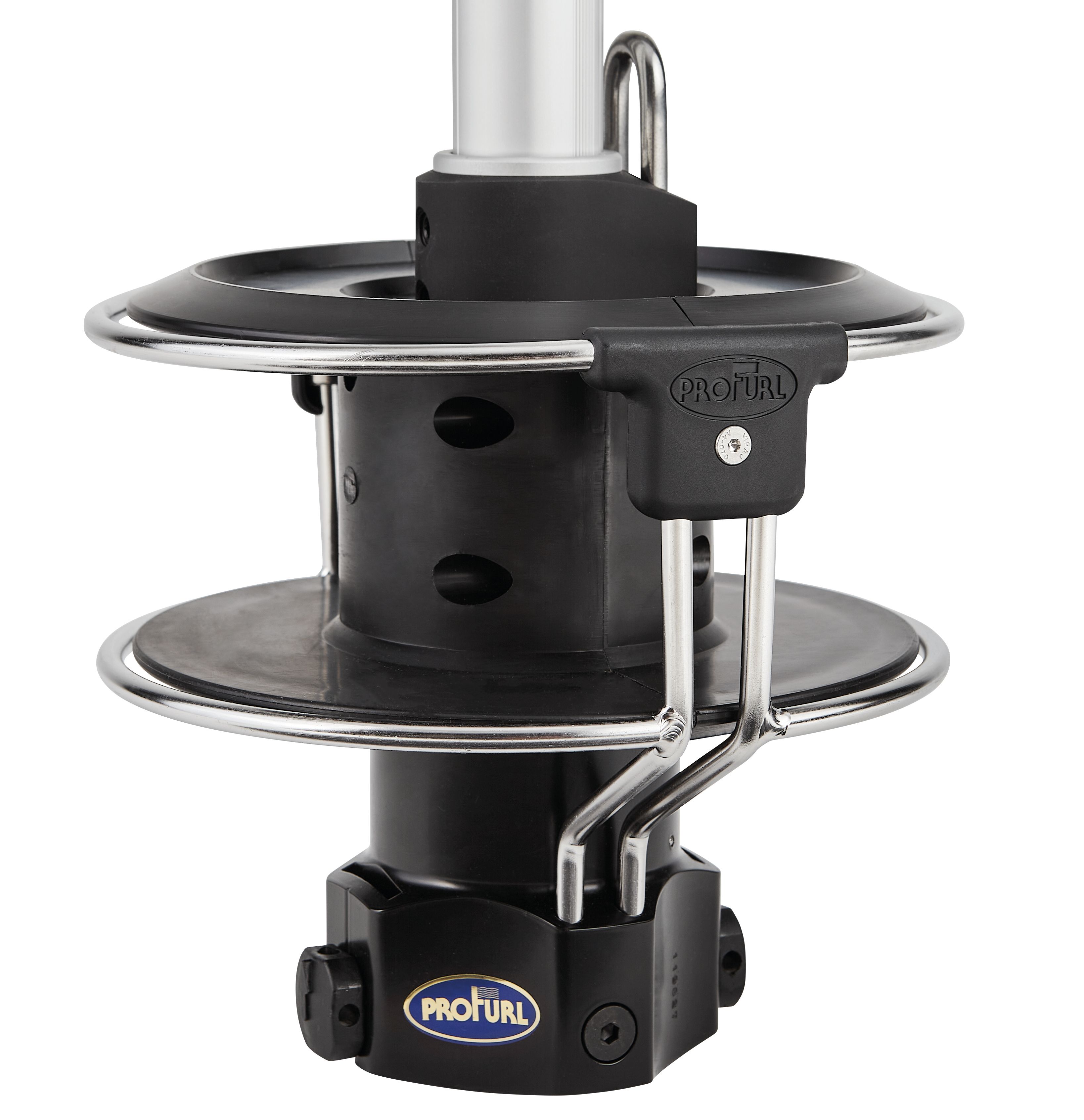
For those seeking French engineering excellence, the Profurl C-System offers robust construction and proven reliability, while the Profurl R-System provides enhanced features for larger vessels.
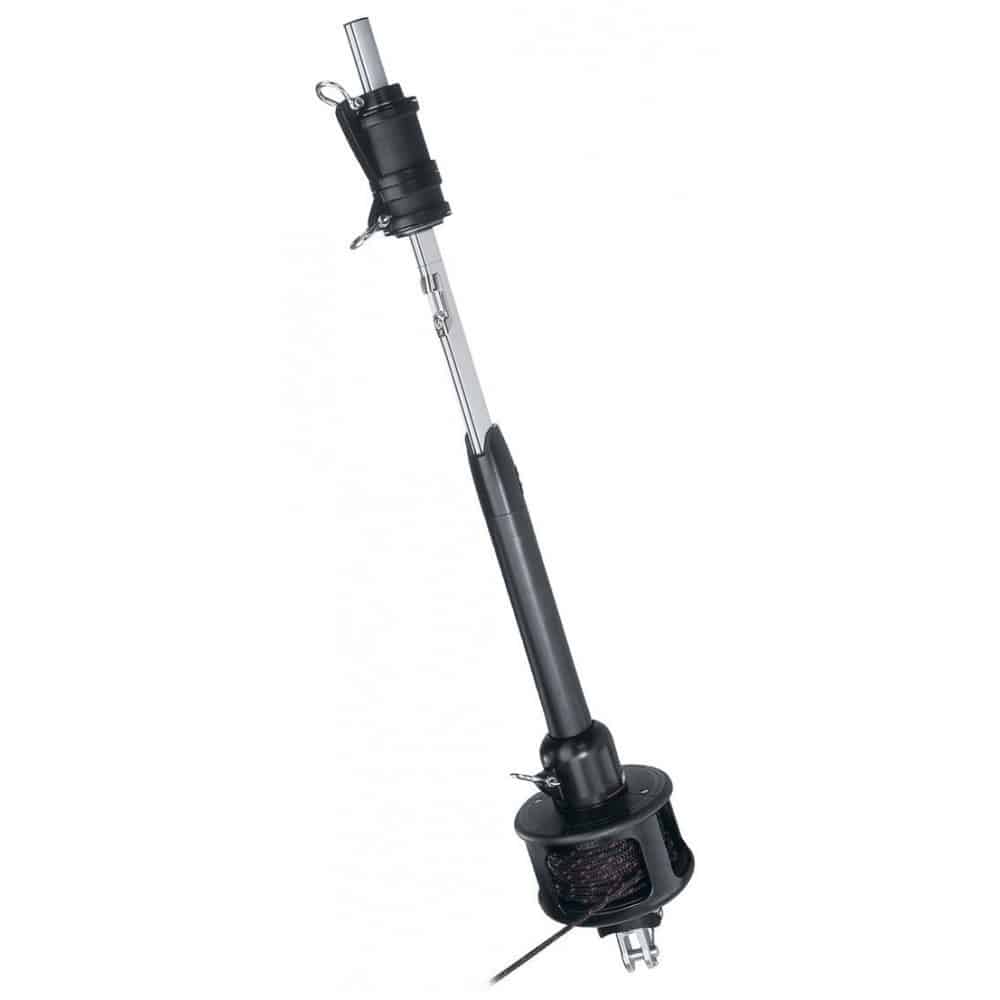
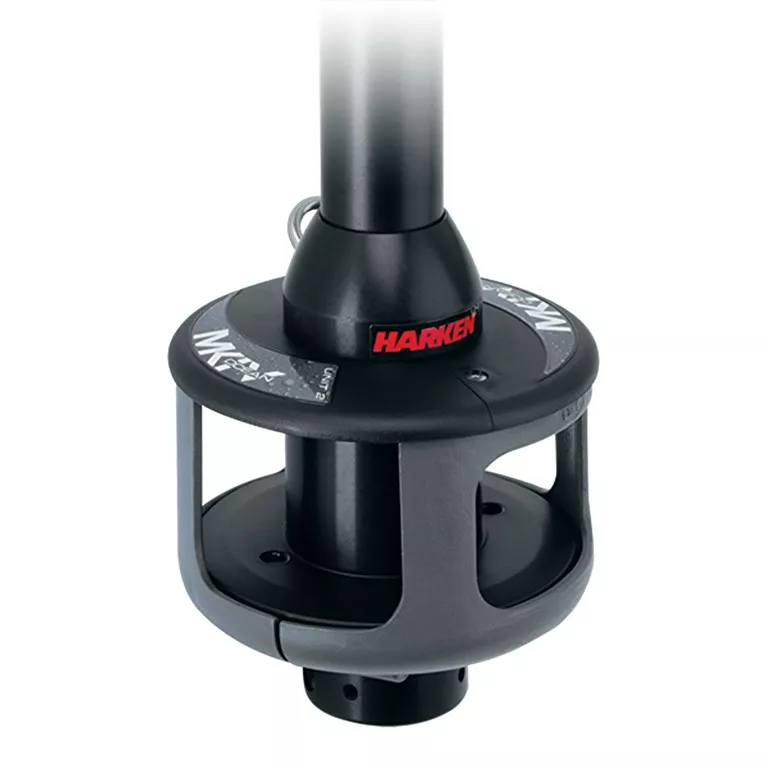
American sailors often favour the Harken MKIV System, known for its precision engineering and smooth operation. The Harken MKIV Ocean System is specifically designed for bluewater cruising.
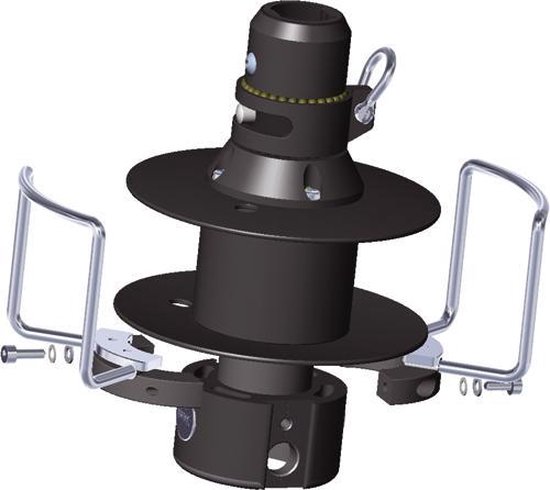
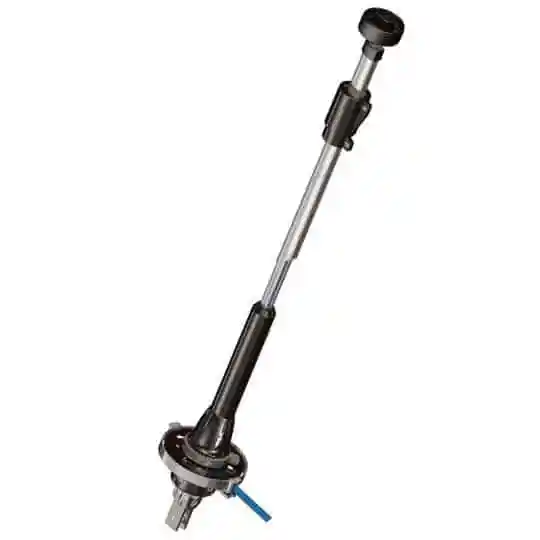
The Facnor LS System offers excellent value with solid French construction, while the Facnor Flatdeck System provides a low-profile solution for those prioritising deck aesthetics.
Advantages of manual systems
- Lower initial cost – Manual systems typically cost 70-80% less than their electric counterparts, making them accessible to more sailors
- Simplicity and reliability – With fewer components and no electrical systems, there's simply less that can go wrong
- No power requirements – Independence from the boat's electrical system means the furler works regardless of battery state
- Lighter weight – The absence of motors and wiring keeps weight down, particularly important for performance-oriented sailors
- Easy maintenance – Annual servicing is straightforward and can often be done by the owner
- Tactile feedback – You can feel the load on the sail, giving experienced sailors valuable information about sail trim
- Wide choice of brands – Multiple manufacturers offer proven manual systems at various price points
Considerations with manual systems
While manual systems excel in many areas, they do require physical effort to operate. On larger boats with bigger headsails, the loads can become substantial, particularly in stronger winds. This can be challenging for smaller crews, single-handers, or sailors with limited physical strength. Additionally, furling and unfurling in heavy weather requires good timing and technique.
Electric furling systems: modern convenience
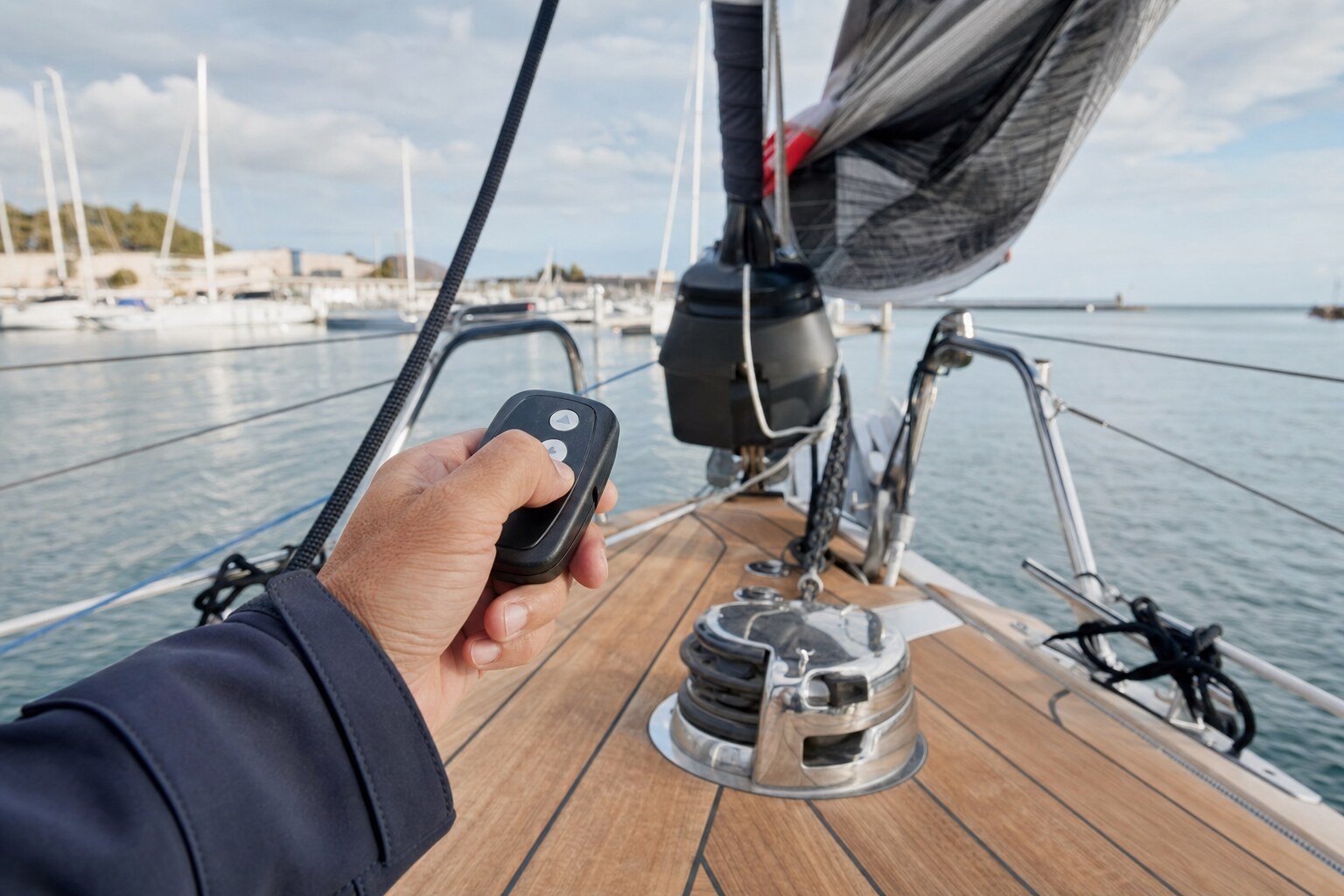
Electric furling systems represent the premium end of the market, offering push-button sail handling that transforms the sailing experience. Currently, Seldén leads this segment with their comprehensive electric furling range.
The Seldén Furlex Electric features a powerful 48V motor with automatic torque limiting for safe, controlled operation. It's the electric version of the world's most trusted manual furler.
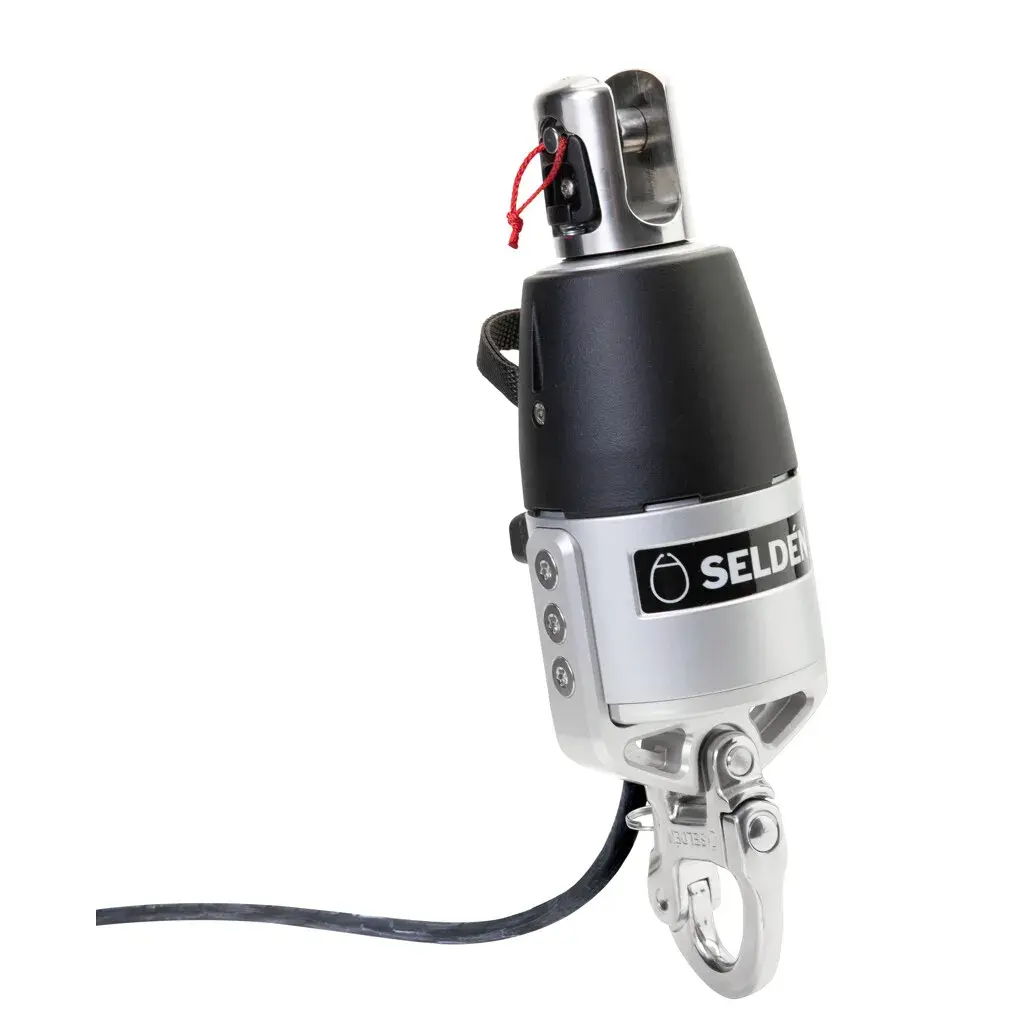
For Code 0 and asymmetric sails, the Seldén CXe provides electric convenience for these high-performance sails, while the Seldén CXe Code 0 Through-Deck Electric offers a through-deck variant.
Advantages of electric systems
- Effortless operation – Furl or unfurl your headsail with the push of a button, regardless of wind conditions or sail size
- Ideal for shorthanded sailing – Single-handers and couples can manage large headsails without leaving the helm
- Consistent furling – Electric motors provide smooth, even furling that results in a neater rolled sail
- Reduced physical strain – Eliminates the need for manual winching, making sailing more accessible
- Better control in heavy weather – Motor power overcomes the high loads that make manual furling difficult in strong winds
- Safety benefits – Crew can remain in the cockpit rather than going forward to assist with a stuck furler
Considerations with electric systems
Electric systems require a reliable power supply and proper electrical installation. The motors, wiring, and control systems add complexity and potential points of failure. Initial costs are significantly higher, and maintenance requires more technical expertise. Additionally, the added weight of motors (typically 5-15 kg depending on the model) affects the boat's centre of gravity.
Through-deck installations
Both manual and electric systems are available in through-deck configurations, which route the furling mechanism below deck level. This provides a cleaner deck appearance and protects the drum from the elements.
The Seldén Furlex Through Deck offers this in a manual version, while the Seldén Furlex Through Deck Electric combines through-deck installation with electric operation for the ultimate in convenience and aesthetics.
Making your decision: key factors to consider
Boat size and sail area
As a general guideline, manual systems work well on boats up to approximately 40-45 feet with standard rig sizes. Beyond this size, or with oversized headsails, the loads involved make electric systems increasingly attractive. However, fit and strong sailors successfully use manual systems on much larger boats.
Crew composition
Consider who will be sailing the boat regularly. If you often sail shorthanded, with an older crew, or with less experienced sailors, electric furling significantly reduces the skill and strength required for sail handling. For racing crews or those who value the traditional sailing experience, manual systems remain the preference.
Sailing style
Cruising sailors who prioritise comfort and convenience generally appreciate electric systems. The ability to reduce sail quickly from the cockpit adds a significant safety margin, particularly for couples cruising in remote areas. Racing sailors typically prefer manual systems for their lighter weight and the tactile control they provide.
Electrical system capacity
Electric furlers draw significant current during operation (typically 30-80 amps at 12V or 15-40 amps at 24V). Your boat's electrical system must be capable of supporting this load, which may require upgrading batteries, alternators, or wiring. Most modern systems use 48V motors for efficiency, which may require a dedicated battery bank.
Budget considerations
The price difference between manual and electric systems is substantial. A quality manual system from Seldén, Profurl, Harken, or Facnor might cost €700-2700 depending on boat size and features, while an equivalent electric system could range from €3000-5000 or more. Factor in installation costs, which are higher for electric systems due to the electrical work required.
Popular options compared
Here's how some popular systems compare:
| System | Type | Best for |
|---|---|---|
| Seldén Furlex | Manual | Most popular choice, boats 25-45ft |
| Profurl C-System | Manual | French quality, mid-size cruisers |
| Harken MKIV | Manual | Premium manual, racing and cruising |
| Facnor LS System | Manual | Great value, smaller to mid-size boats |
| Seldén Furlex Electric | Electric | Shorthanded cruising, larger boats |
| Seldén Furlex TD Electric | Electric | Premium installations, maximum convenience |
Conclusion
There's no universally "better" choice between manual and electric furling systems – the right decision depends entirely on your specific circumstances. Manual systems offer proven reliability, simplicity, and value, making them ideal for smaller boats, racing sailors, and those who appreciate traditional seamanship. With excellent options from Seldén, Profurl, Harken, and Facnor, there's a manual system to suit every boat and budget.
Electric systems provide unmatched convenience and accessibility, transforming sail handling for cruising sailors, shorthanded crews, and larger vessels. While currently dominated by Seldén's offerings, the electric segment continues to evolve with improving technology.
Consider your boat size, typical crew, sailing style, and budget carefully. If possible, try both types before making your decision – many boat shows and charter companies offer this opportunity. Whichever system you choose, modern furling technology from quality manufacturers will significantly enhance your time on the water.
Need help choosing the right furling system for your boat? Contact our experts for personalised advice based on your specific requirements.
Related products
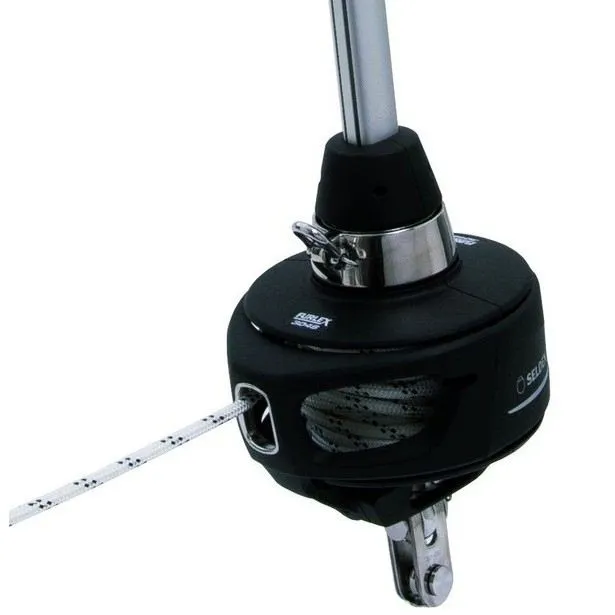
Seldén Furlex
€ 799,80
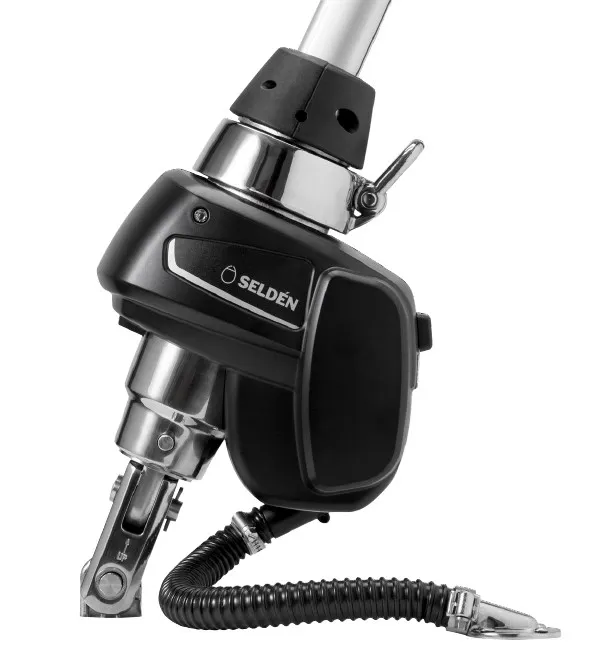
Seldén Furlex Electric
€ 3.440,74
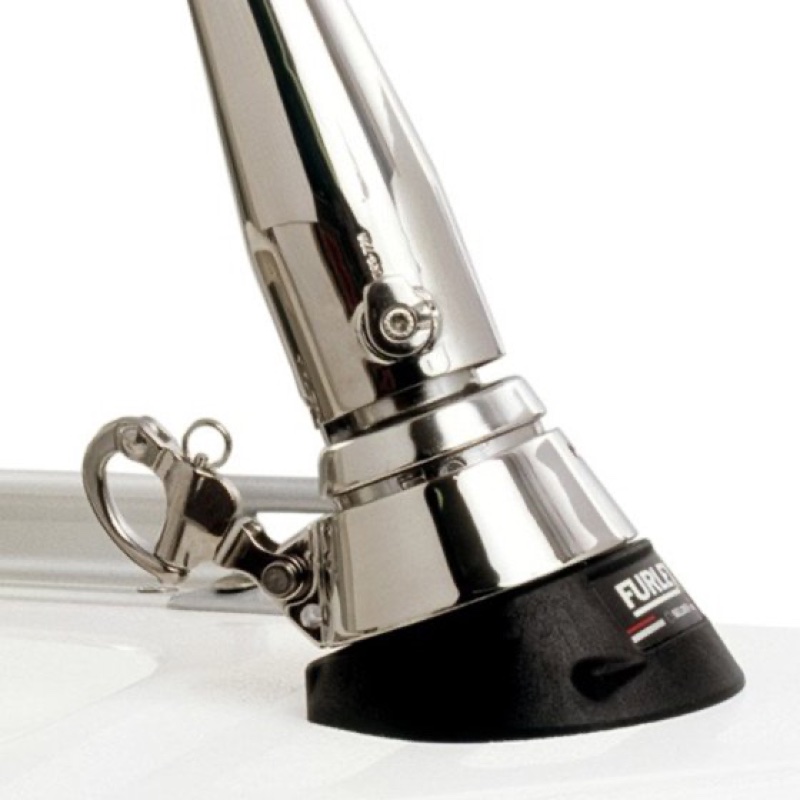
Seldén Furlex Through Deck
€ 2.843,20
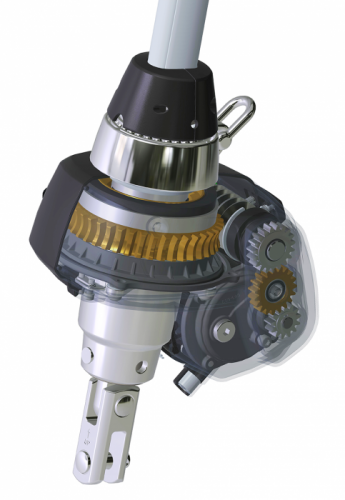
Seldén Furlex Through Deck Electric
€ 4.099,08
Profurl C-System
€ 1.482,49
Profurl R-System
€ 1.910,64
Harken MKIV System
€ 2.700,00
Harken MKIV Ocean System
€ 1.985,00
Facnor LS System
€ 934,00
Facnor Flatdeck System
€ 2.013,70
Seldén CXe Code 0 On-Deck Electric
€ 3.902,00