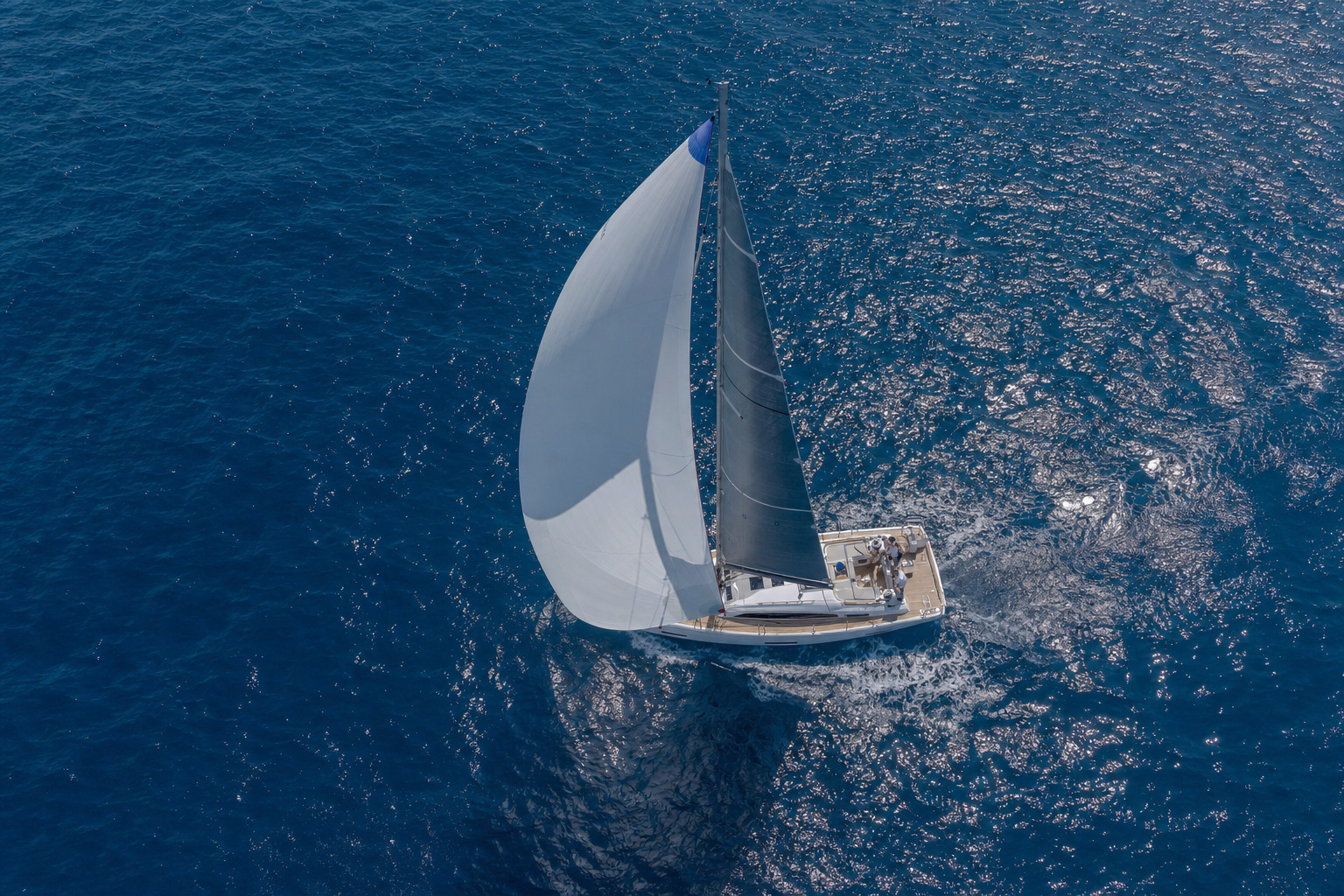


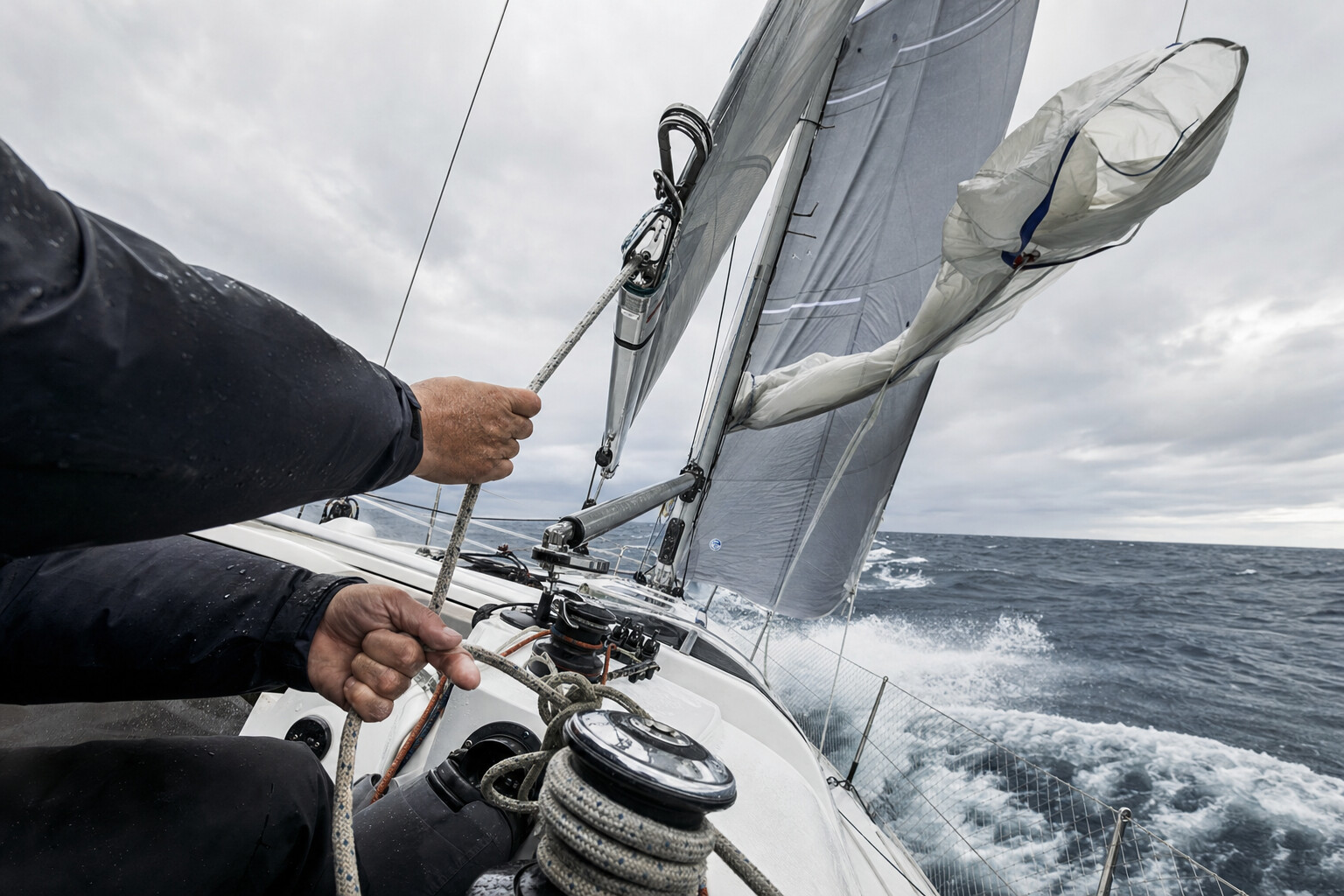
A gust hits the boat, the Code 0 rounds up fully set, and the instinct is the same one you'd use on a genoa: grab the furling line and take in a few turns. On a lot of Code 0 systems that instinct backfires. Instead of a smaller, flatter sail, you end up with a loose bag of cloth at the top, a tight roll at the bottom, and a furler that won't finish the job either direction. Code 0s are not built to reef the way a genoa is, and understanding why saves you from finding out mid-squall.
Why a Code 0 doesn't furl like a genoa
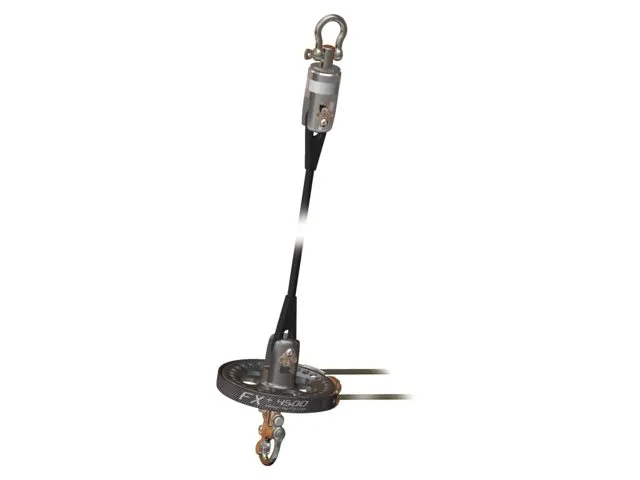
A genoa rolls around a foil that's fixed to the forestay the whole length of the luff, with the sail's own luff tape locked into a groove. Take in ten turns and the whole luff shortens evenly, foot to head, because the foil is doing the structural work, not the sail. A Code 0 has no foil. The torsion cable running through the luff sleeve is the only structural member, and the sail itself has to twist along with it, tack to head, on a bottom-up structural furler such as the Facnor FX+ Code 0 Furler (from €845) or the Seldén CX system. That's a fundamentally weaker, less predictable wrap than a foil track, and it gets worse the flatter and stiffer the sailcloth is, which is exactly how most Code 0s are cut for reaching performance.
Facnor's own documentation for its structural RX, LS and FD ranges states plainly that the furler "enables you to reef partially or furl completely depending on weather conditions." That's true under ideal conditions: full luff tension, synchronized top-and-bottom rolling, a quality torsion cable. It is not true the moment any one of those three things is off, which on a heeling boat in 18 knots with a shorthanded crew is often exactly when you need the reef.
What actually happens when you furl halfway in a gust
The classic failure is a loose top, sometimes called an hourglass furl: a tight, hard roll at the tack and a baggy, half-open pocket of sail higher up. It happens because the sheet's downward pull on the leech changes angle as the tack rolls in and the clew is dragged forward. Early in the furl the sheet still pulls the leech down and the wrap stays tight. Once the sail has shortened enough that the sheet angle flattens out, that downward tension disappears, and the top of the sail rolls loosely, with air gaps between layers of cloth. In gusty conditions those gaps are exactly what catches wind and can peel the furl back open, which is the opposite of what you were trying to achieve. It's one of the most common complaints we hear at 123Furling from owners who've just added a Code 0 to a boat that never had one.
On boats over roughly 12 metres the fix sailors and riggers use is a twing, or barber-hauler: a line rigged forward of the sheet block that pulls the sheet down and forward during the furl, keeping leech tension on right through the last few wraps. On boats without a spare hand for a twing, doing the same job by hand, walking the sheet forward as you furl, gets most of the way there. Skip it, and the loose-top furl is close to guaranteed on anything but the calmest afternoon.
Back-wrap: the failure you only notice the next time you unfurl
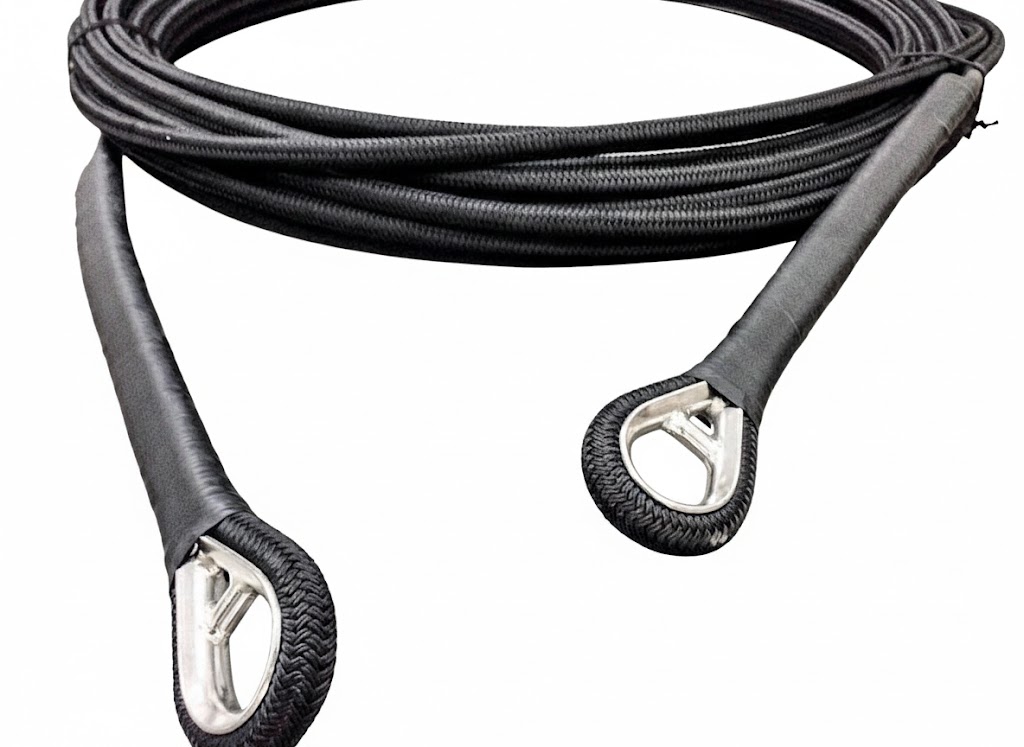
The second failure mode doesn't show up until later. If the bottom of the torsion cable takes a few extra turns before the top catches up, which happens with slack halyard tension or an underrated cable, the cable stores that twist. Let go of the sheet after what looked like a clean furl and the stored torque unwinds itself, winding the sail backward on its own cable. Next time you go to unfurl, the drum won't turn freely, or worse, it turns the wrong way and tightens further. Riggers call this back-wrap, and it's a torsion-cable problem more than a technique problem: an undersized or worn cable transmits torque unevenly along its length, so the bottom always wants to twist faster than the top.
This is one of the reasons cable diameter matters more than most sailors assume when replacing an anti-torsion line. We cover the sizing question in detail, including why length changes the right diameter for a given boat, in our anti-torsion line diameter guide. If your Code 0 has started back-wrapping over the past season and the cable is more than a few years old, that's usually the first thing to check, not the furler drum.
How to get a clean partial furl if you have no other option
If you're shorthanded and the gust caught you with the Code 0 fully set, a controlled partial furl is possible, it just needs more than spinning the furling line:
- Check the halyard tension first, not last. A slack luff is the single most common cause of a sloppy furl; the cable needs to be under real load before you start taking in turns.
- Bear away to blanket the sail behind the main before you furl. Less apparent wind means less load fighting the wrap, and a blanketed sail furls noticeably tighter than one still drawing at full pressure.
- Keep tension on the sheet the whole way through, walking it forward by hand if you don't have a twing rigged. Never let the sheet go slack mid-furl hoping to tidy it up afterward, that's when the loose top forms.
- On a structural furler, get the top and bottom rolling together from the first turn. If you feel the drum spinning free for a few turns before the sail starts to shorten, stop and check the cable tension before continuing.
Even done right, a partial furl on a Code 0 rarely holds a clean, genoa-like shape you'd want to sail on for hours. Treat it as a way to get the sail down to a manageable size fast, not as a genuine reef point you trim to.
When to skip the reef and just blanket or douse instead
At 123Furling we tell customers who ask about reefing a Code 0 the same thing riggers have told sailors for years: if the gust is going to hold, don't fight the furl, blanket the sail behind the main and drop it. A Code 0 that's fully doused and bagged is safer and faster to deal with than one half-furled with a loose top flogging in 20 knots. The sail's own use range is the other factor. Most Code 0s are rated for true wind in the low-to-mid teens at a reach, and if you're regularly needing to reef one down in building breeze, that's usually a sign the sail itself is being pushed past its designed range rather than a furling technique problem. Swapping to a smaller reaching jib for that wind strength, rather than reefing an oversized Code 0, is what a lot of racing crews do instead.
What to buy if you plan to reef a Code 0 regularly
If partial furling in a building breeze is a regular part of how you sail, not just an emergency measure, two things are worth checking before your next passage. First, the torsion cable. A worn or undersized anti-torsion line is the most common cause of both the loose-top furl and back-wrap, and it's a cheap part to replace compared to the furler itself. Second, the furler type. Structural bottom-up systems like the Facnor FX+ or Seldén CX handle a controlled partial furl more predictably than furlers designed around a free tack swivel, because the sail's own luff carries the load the way it's meant to. We go through the mechanical difference in detail, including which setups suit which sail shape, in our top-down vs bottom-up furler guide.
Not sure which cable diameter or furler size matches your boat and sail? Use our product advisor or send the forestay length and sail SWL to info@123furling.com and we'll match it to the right system.