


Haul-out season means one thing for a lot of European sailors: the crane operator wants the rig secure before they lift, and if you have a genoa furler wrapped around the forestay, that is not as simple as unhooking a turnbuckle. Get the order wrong and you can bend a foil section, lose the ball bearings out of your swivel, or hand the yard an extra two hours of labor you did not budget for. At 123Furling we get these questions every September, right when the travel lift schedule fills up.
The forestay comes down before you touch the drum
The instinct is to start at the bottom, at the drum, because that is the part you can reach without a ladder. Wrong end. Seldén's own Furlex manuals are explicit about this: before you take any load off the forestay, you pull the masthead forward using the genoa halyard and secure it with a proper D-shackle, never the snap shackle on the halyard, and never trust it to a loop of webbing. The halyard becomes your temporary forestay while the wire comes out. Skip that step and the mast has nothing holding it forward the moment the forestay goes slack, which on a masthead rig is the fastest way to turn a haul-out into an insurance claim.
If there is any doubt about how much adjustment your backstay has left, mark the forestay's rigging screw thread with a strip of tape before you slacken it. That one habit saves you from re-tuning the rig from zero next spring, because you wind it back to the exact mark instead of guessing at forestay length by eye.
Where sailors actually lose parts: the drum and the swivel
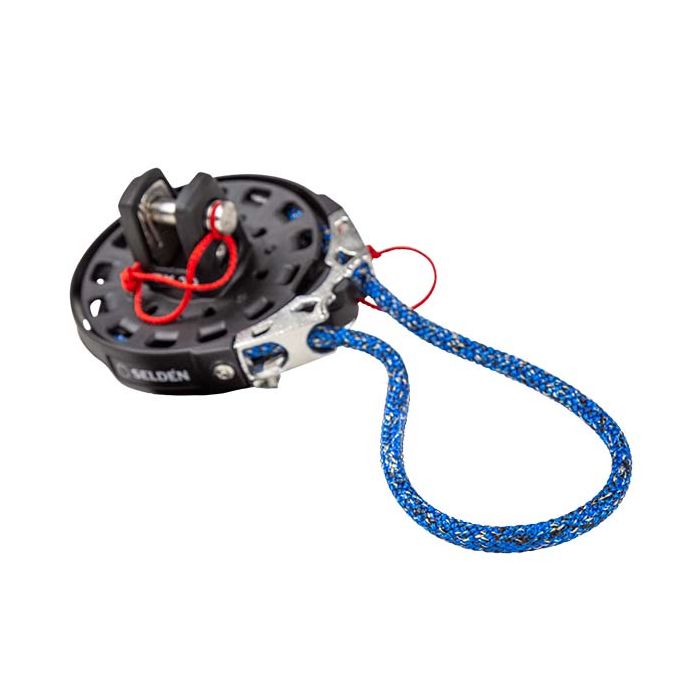
Every furler drum sits on a bearing race, and on most systems that race is held in with a circlip, with ball bearings spaced around the drum that are not remotely interested in staying where you left them. Riggers on the sailing forums put it bluntly: undo a Spiralox circlip without knowing what you are doing and you lose your balls, meaning the actual bearing balls, scattered across a boatyard car park. Work over a container or a towel, never over gravel, and photograph the bearing race before you touch it so you know exactly how many balls belong back in there.
On a Harken Unit system, the sequence is three screws holding the torque tube, lifted a few millimetres to clear the foil, then the two hex bolts at the top of the tube released before the drum unscrews off the stay. Facnor is friendlier here: most models have a removable lower section, so the drum and swivel come off without disturbing the foil at all. If you own a Facnor, that is the shortcut worth knowing before you start unbolting things that never needed to come apart.
Leave the foil sections joined if you possibly can
This is where owners cause the most unnecessary damage. Foil sections on a Furlex or a Harken MKIV are bonded at the joints, and separating them is not a five-minute job. On a Harken foil that bond is a locking compound that sometimes only lets go with careful heat from a heat gun, applied slowly enough not to warp the plastic wedge inside the joint. Force it apart cold and you crack the extrusion where the next section slides in, and that is a repair bill you did not need.
Seldén documents the same problem on the Furlex side from a different angle: separating the foil from the stay means remaking the wire terminal, and every time you do that the forestay gets shorter, around 80mm on a 14mm wire, because you are cutting back past the old swage. Do that twice over a few winters and you have eaten most of your adjustment range. Unless you genuinely need to inspect inside the extrusion, or the rig is going somewhere the full length will not fit, the 123Furling team's advice is simple: leave the foil sections assembled on the stay, coil the whole thing in one wide loop, wrap the joints in bubble wrap or old carpet, and store it flat instead of standing it on one end.
The anti-torsion line and furling line do not like winter either
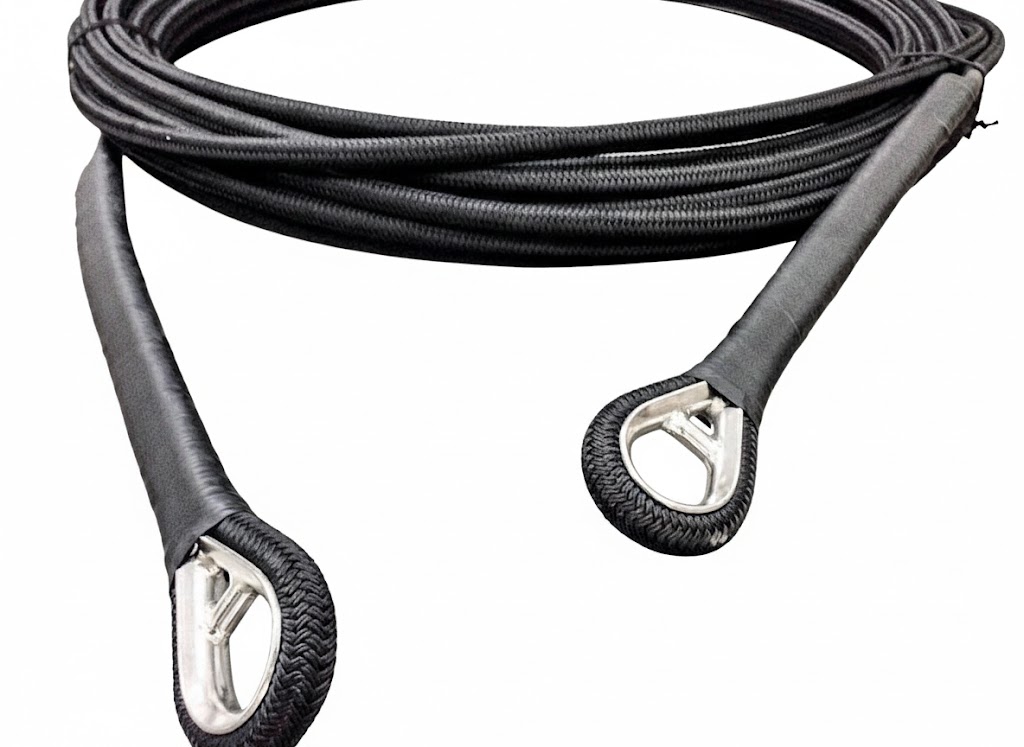
If you are pulling a Code 0 or gennaker furler, the anti-torsion line comes off the drum with the rest of the gear, and it deserves more care than most owners give it. Dyneema-cored torque lines lose strength under UV over years, not overnight, but a winter coiled tightly on a damp shelf does more harm than owners expect, kinks set into the core and never fully relax. Coil it loose, keep it dry, and if it is more than six or seven seasons old, this is the moment to check the diameter against what your furler actually needs before it goes back on. We cover that sizing question properly in our anti-torsion line diameter guide, and if a replacement is due, the anti-torsion line in the 123Furling shop ships in the lengths Code 0 and gennaker furlers actually use.
The furling line itself is cheaper to replace than to nurse through another season. If yours shows fuzz or flat spots where it runs through the lead blocks, pulling the rig is the easiest time to swap it, without fighting load or a jammed drum. Our endless furling line comes in the diameters that match Seldén, Harken, Facnor and Profurl drums, so you are not guessing at the size.
Label everything before it comes apart
Foil sections look identical until you are trying to remember which one sat closest to the drum. Number them with a paint pen or masking tape before you separate anything, top to bottom, and do the same with any shims or spacers you find inside the swivel housing. If your furler's top swivel has been getting stiff, this is also the cheapest moment to deal with it, the bearing replacement becomes a bench job instead of a bosun's chair job. We covered the symptoms and the real repair cost in why your furler's top swivel gets stiff.
When it is worth just paying the yard
Some yards pull the rig with the furler still assembled and charge nothing extra for it. Others treat a furler as a separate job and quote it as one, because a rigger working around a drum and foil while the crane holds the mast works slower and more carefully than on a bare stick. Ask your yard how they normally handle it before haul-out day, not once the mast is already hanging in the slings. If you have already done the prep above, drum labelled, foil sections marked, torsion line coiled and stored, you have removed most of the reason a yard would need to charge for the extra time.
Not sure whether your furler needs a full teardown this winter or just a rinse and a season off? Send us a note at info@123furling.com with your model and we will tell you straight whether it is worth the extra work now or safe to leave assembled until spring.