

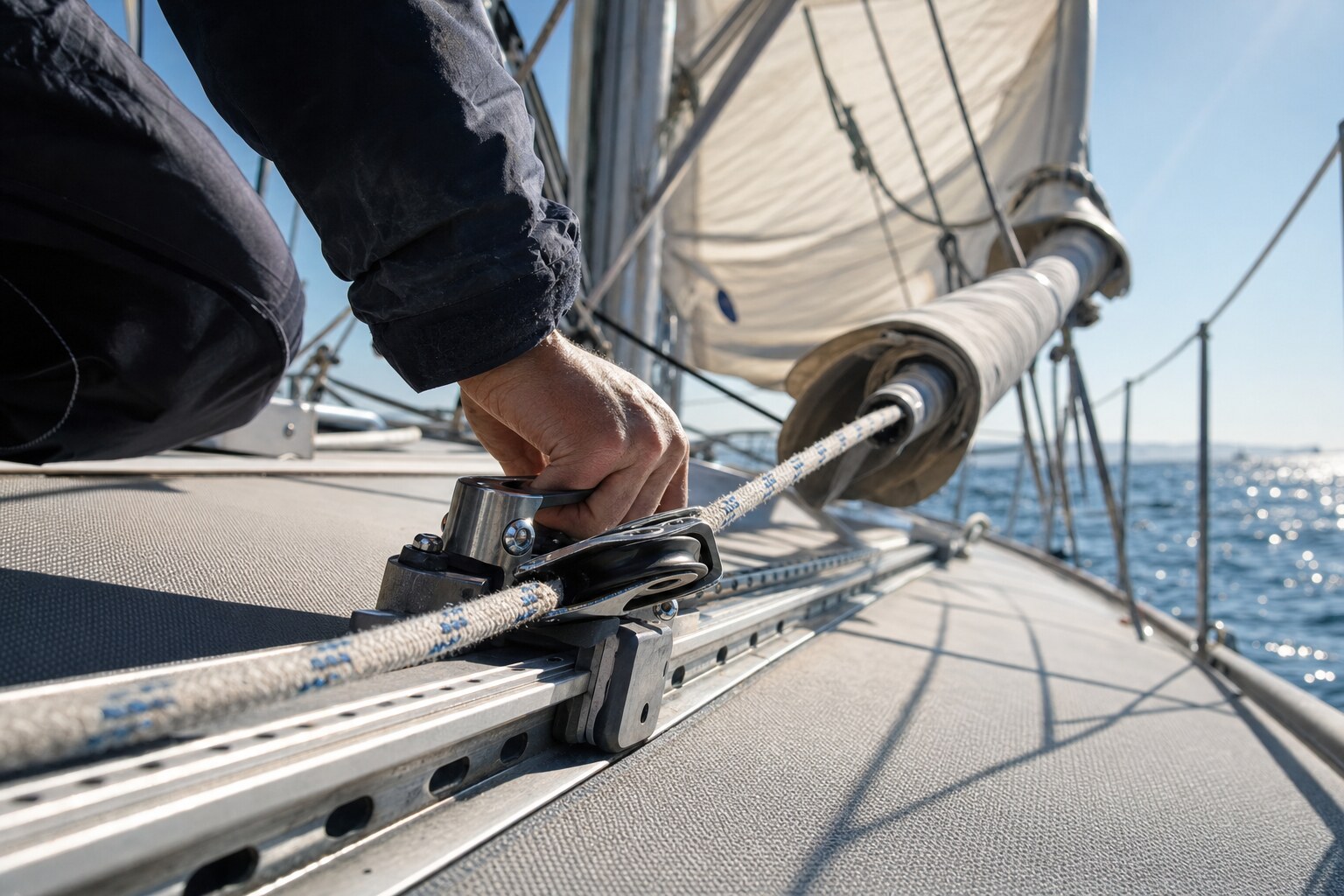
Furl a genoa down from full size to a working jib and most sailors leave the sheet car exactly where it was. The sail gets smaller, the boat should get easier to handle, but instead it starts fighting you: more heel, more weather helm, a leech that flogs no matter how much you trim. The sail isn't the problem. The car is.
At 123Furling we hear this constantly from owners who've just had a furler installed or upgraded and can't work out why the boat feels worse reefed than it did with the full genoa up. The furler is doing exactly what it was built to do. The sheet lead just never moved with it.
The clew doesn't stay where you left it
A genoa isn't a smaller version of itself when you roll part of it away. As the sail wraps around the foil, the clew climbs and comes inboard, and the effective sheeting angle changes on both axes at once. A 140% genoa rolled to roughly working-jib size behaves geometrically like a different, smaller sail with a higher clew, not like the same sail turned down.
That matters because the sheet car was set up for one specific sail shape: the full genoa. Once the clew has moved, the line from the clew through the sheet block no longer bisects the sail the way it did, and the balance between foot tension and leech tension breaks down.
What happens if you leave the car alone
Leave the car where it lived for the full genoa and one edge of the sail ends up starved of tension while the other gets pulled too hard. In practice this shows up as a leech that won't stop fluttering no matter how much sheet you take in, or a foot that stays baggy and full even when the leech looks tight. Either way the top third of the sail stops driving cleanly, you oversheet to compensate, and that's when the heel and the weather helm creep in. It isn't that reefing made the boat harder to sail. It's that the trim is wrong for the sail you now have up.
This compounds a problem we've written about before: a partially furled genoa already gets fuller, not flatter, as the draft moves forward toward the luff (see how far you can reef a furling genoa before sail shape fails). A car left in the wrong spot adds a second distortion on top of the first, and the two together are usually what turns a manageable 25 knots into a fight at the helm.
Foot or leech: which one is wrong
You don't need to guess. Ease off, bear away slightly so the sail luffs gently, and watch the windward telltales from top to bottom:
- Top telltale breaks first, bottom still flying: the lead is too far aft. The leech is too open and the top of the sail twists off before the rest. Move the car forward.
- Bottom telltale breaks first, top still flying: the lead is too far forward. The foot is over-tensioned and the leech is closed, stalling the top of the sail. Move the car aft.
- All telltales break together: you've found it for that reef depth.
Do this once per reef stage, not once per season. The position that's correct at 100% sail is wrong at 70%, and wrong again at 50%.
Pre-marking the track so you're not guessing under load
Working this out mid-squall is the wrong time. Do it in flat water, on a calm afternoon, at each furling stage you actually use, roughly 100%, 75%, 50% and whatever working-jib size you sail to most. Mark the track (a strip of tape, a paint dot, or a notch if your track has holes) for each stage. Next time you reef in a blow you move the car to a known mark instead of eyeballing it while the sail is flogging and the rail is under.
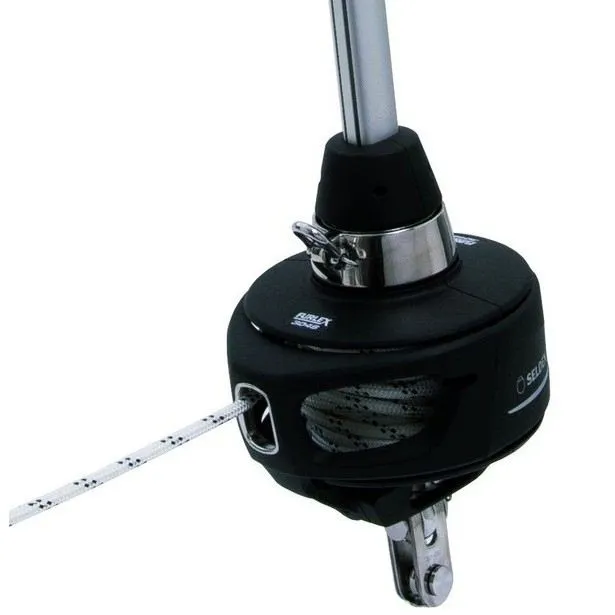
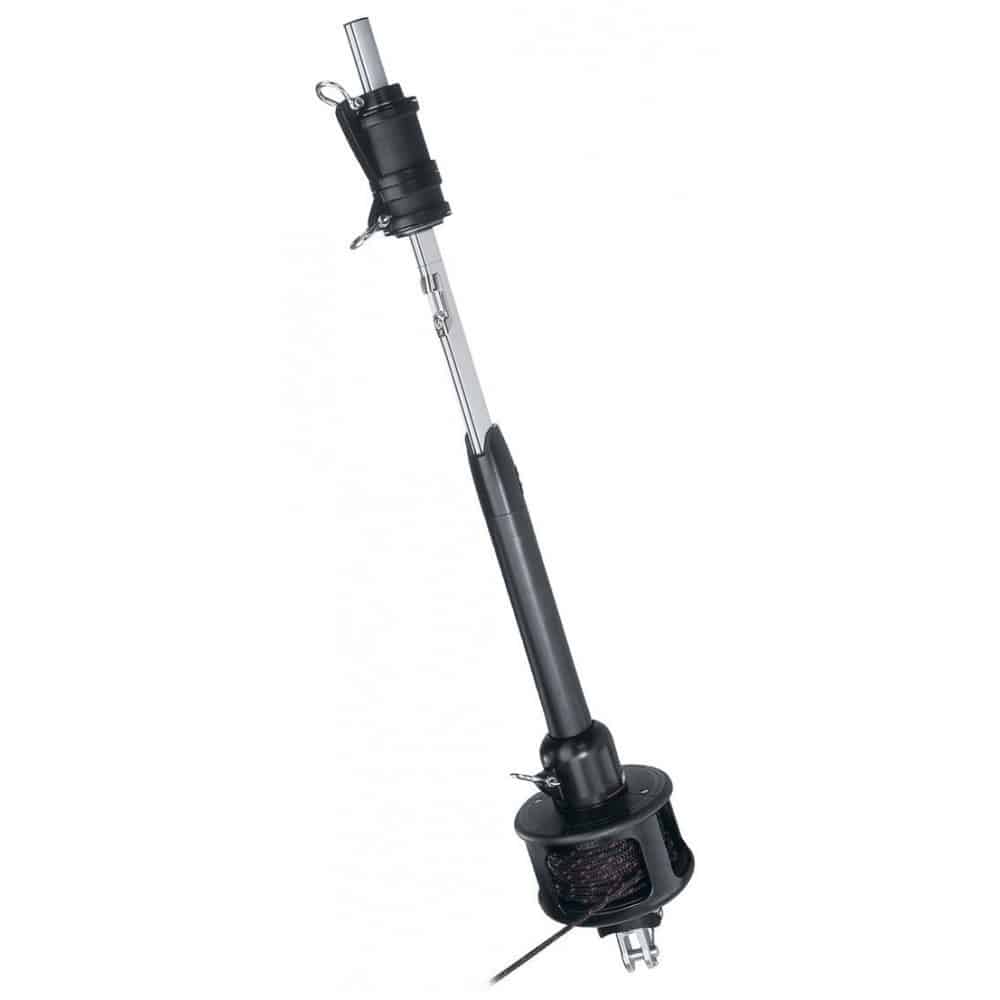
This pairs well with the 20-25% ceiling we cover in our furling genoa shape guide: most standard-cut genoas hold usable shape only up to about a quarter of their sail rolled away, on any brand of furler, whether that's a Seldén Furlex or a Harken MKIV. Mark your track for that stage specifically, since it's the one where a wrong lead position does the most damage to an already-compromised sail shape.
The boats that get away without touching the car
Not every rig needs this. A high-clewed genoa or yankee, the kind you often see on a cutter rig ahead of a staysail, keeps a more consistent sheeting angle through a wider furling range because the clew doesn't rise as dramatically relative to the foot when the sail is rolled. Owners who've switched from a low-clew deck-sweeper genoa to a higher-clew cut specifically to avoid re-tuning the lead every time they reef aren't imagining the improvement. Forum reports on boats with a high-footed genoa on a catamaran describe barely needing to touch the car at all across the furling range, while a low-footed blade jib on the same boat needed the lead to move forward with almost every turn of the drum. If your boat still runs the original low-clew deck-sweeper that came with a hank-on rig before you converted it to furling, this sensitivity is exactly why.
If your track isn't long enough
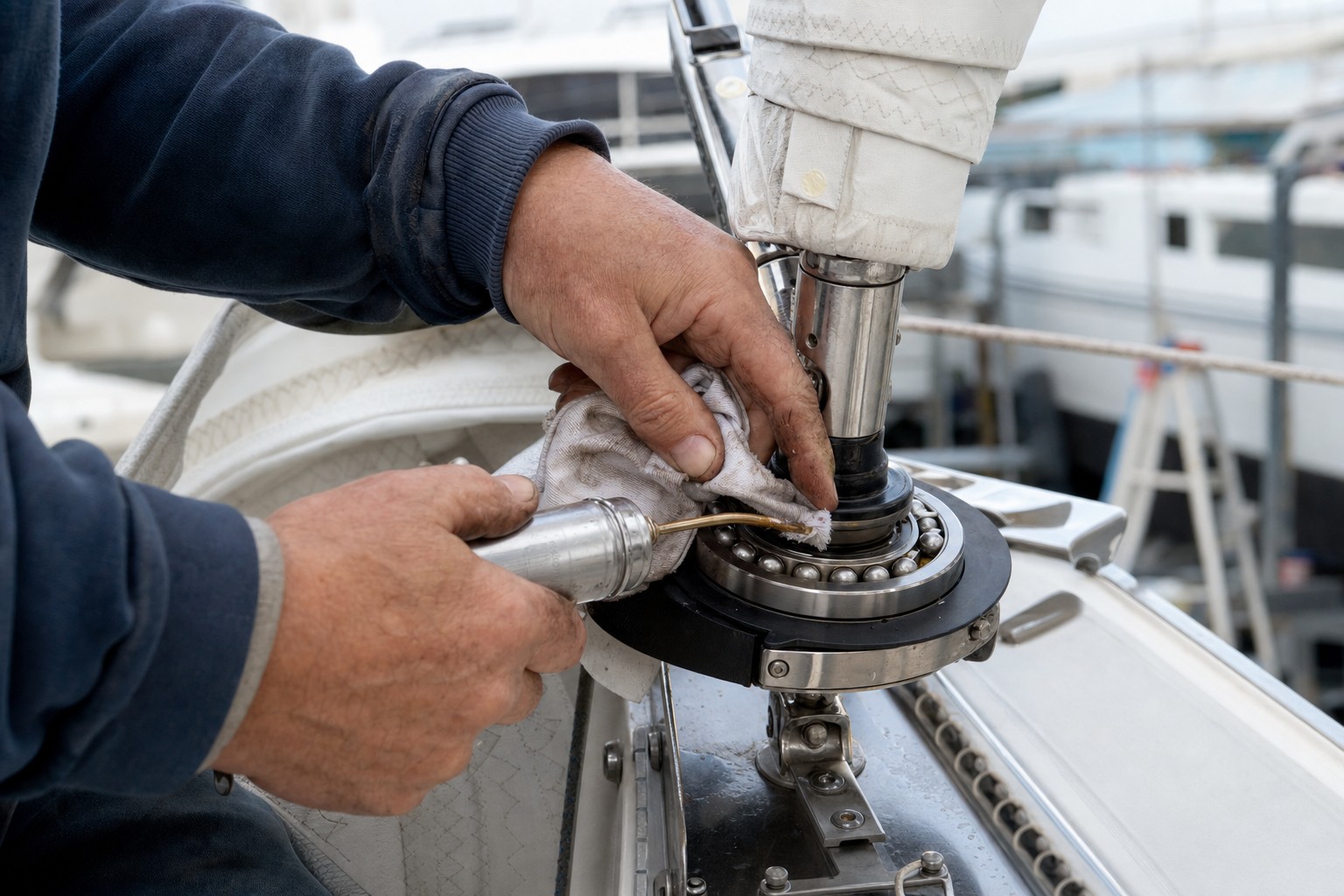
Boats that had their furler retrofitted onto a genoa track sized for the original hank-on sail plan are the most common case we see at 123Furling: the track covers the 100% and maybe 90% positions fine, then runs out of adjustment right where you'd want it, around 50-60% furled. If that's your boat, extending the track or adding a second, shorter track forward of the original isn't a luxury upgrade, it's what makes the reefed sail usable at all. When you're shopping for the car itself, match the bearing type to how often you'll actually move it: a car that gets repositioned every reef benefits from ball bearings over plain bushings for the same reason we cover in our block bearing guide, it's about load-under-motion, not just load at a fixed point.
Not sure whether your genoa's clew geometry needs an aggressive lead adjustment or a mild one as you furl? Send us a photo of your sail plan and current track length at info@123furling.com, or run your rig through our product advisor to check whether your furler size and sail cut are actually matched to begin with.