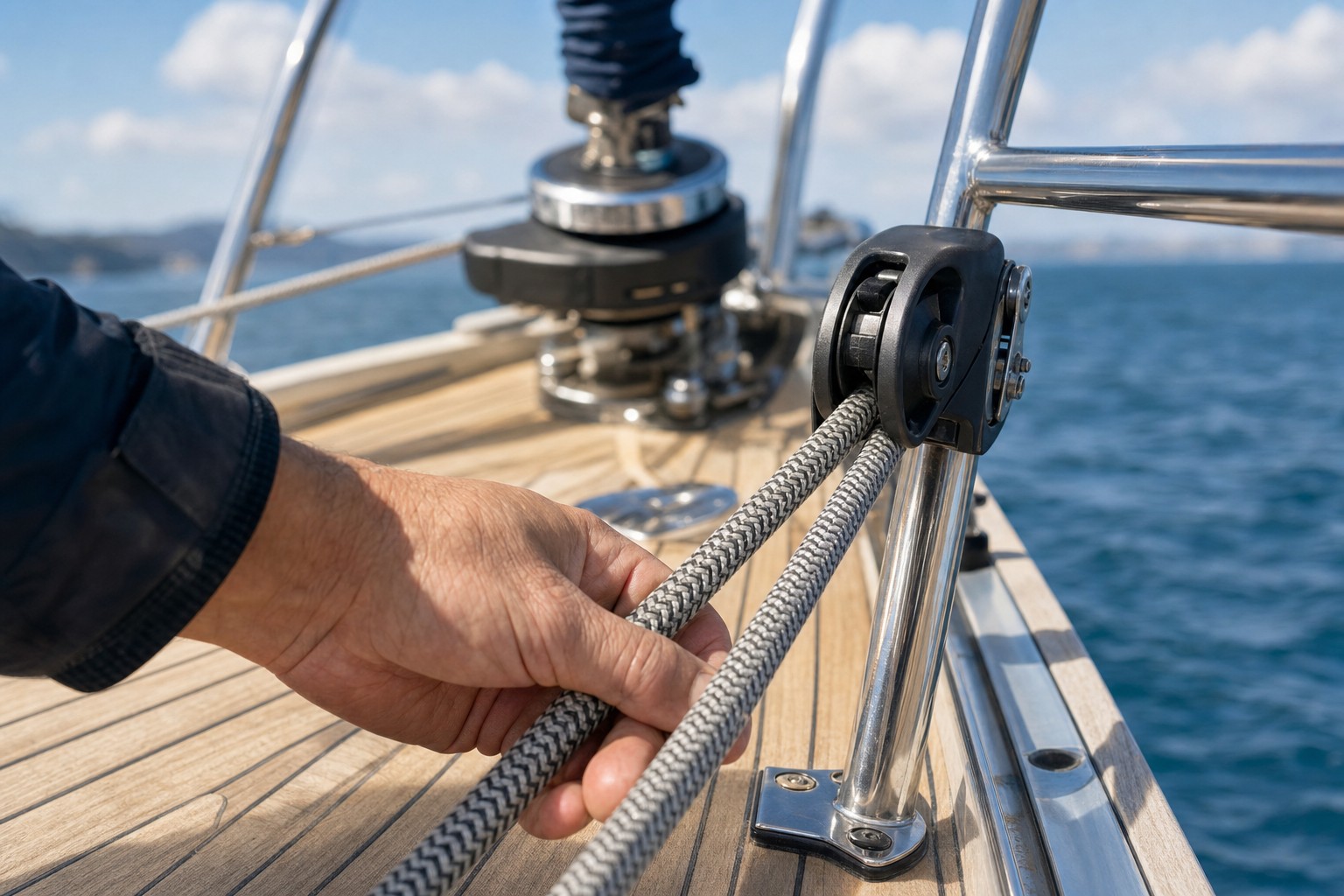


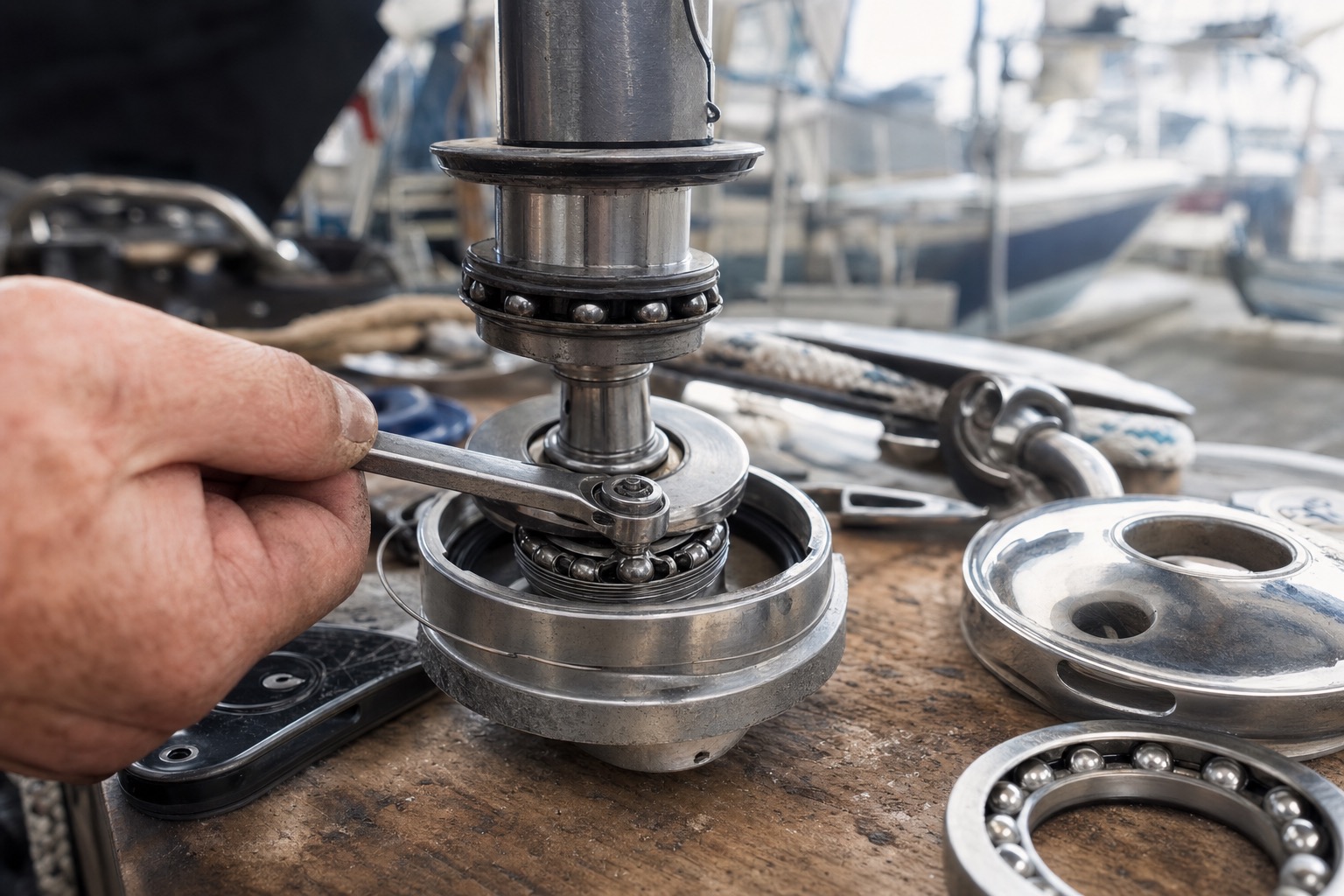
You bought the boat with hank-on sails and a wire headstay, and every winter you tell yourself this is the year you finally put in a furler. Then you get a quote from the rigger, hear the words "you'll probably need a new sail too," and put it off again. Here is what actually happens when you convert a hank-on rig to furling, what it costs, and where the corners people cut come back to bite them.
Why your hank-on genoa won't just slide onto a new furler
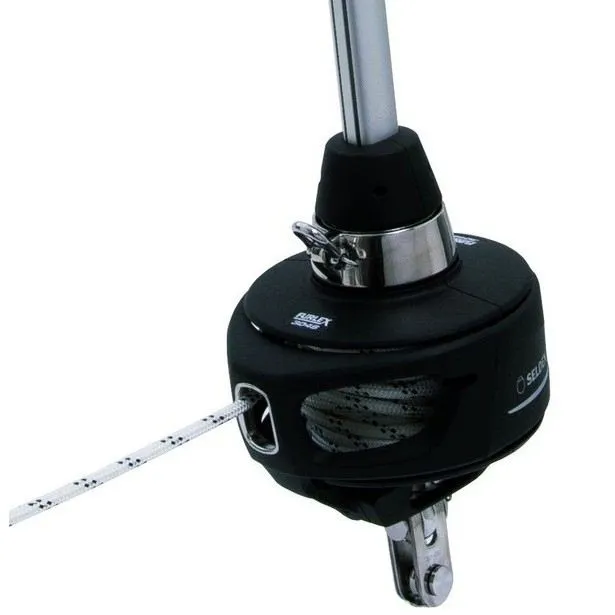
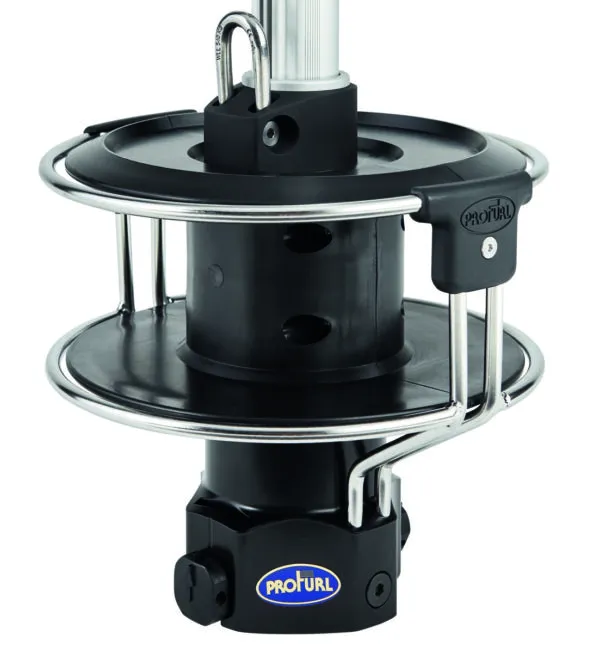
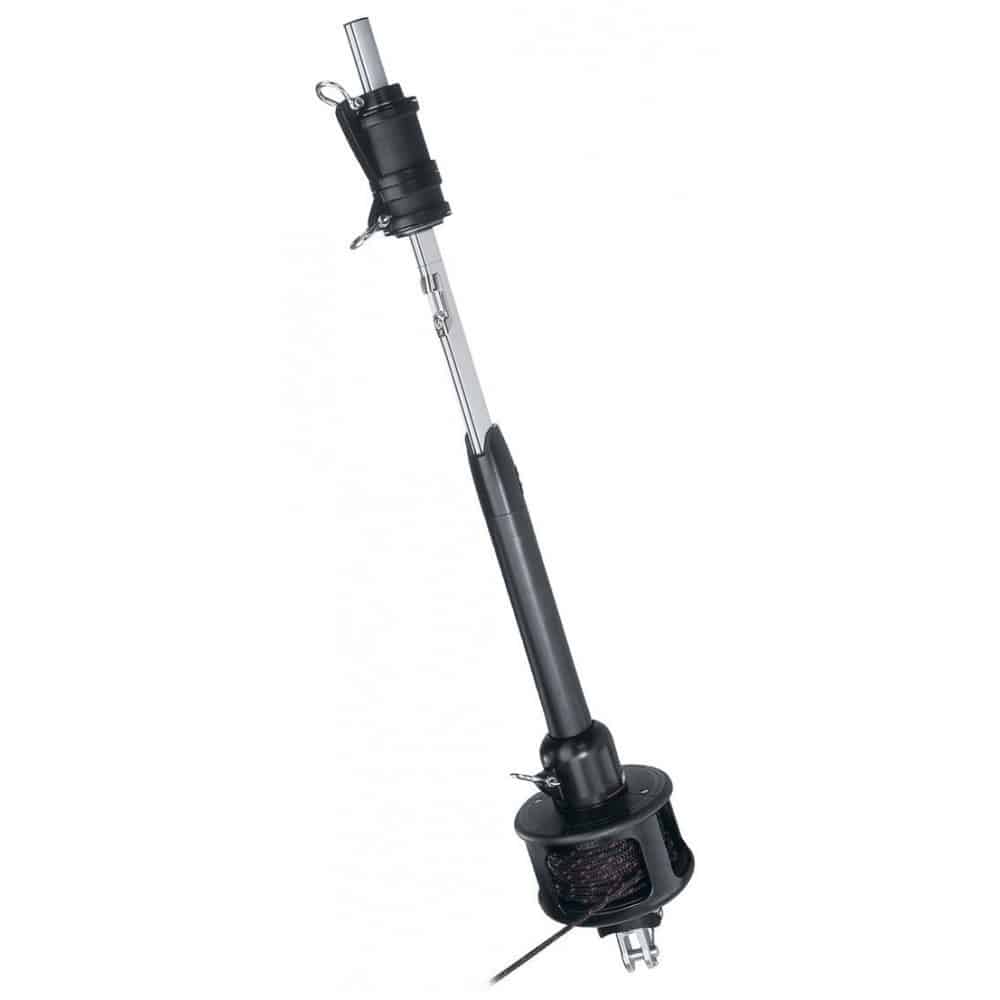
The first thing that trips people up: a furling drum and swivel take up length on the headstay. Piston hanks sit right on the wire with almost nothing between the sail and the terminal fittings. A furler adds a drum at the bottom, a swivel at the top, and usually a toggle or two at each end to keep everything articulating freely instead of fatiguing at a hard point. Stack that hardware up and you can lose anywhere from 15 to 40cm of usable luff length, depending on the system and whether the drum sits on deck or through it.
That means your existing headstay is very likely too long once the furler goes on, and your hank-on sail's luff is now too long for the shortened stay too. Manufacturers publish stack-up tables in their installation manuals precisely because this varies by model, by toggle configuration, and by whether you're running a through-deck or on-deck drum. Skip that table and guess, and you'll be cutting a stay twice.
What a furler conversion actually changes on your headstay
Beyond the length, the geometry changes too. A wire or rod headstay under a furler sags more under load than the same stay used with hanks, because the extra weight of the drum, foil and swivel pulls the middle of the stay to leeward as wind builds. Sailmakers cut furling genoas with that sag built into the luff curve. A sail built for a tight, hanked-on stay has the wrong curve for a furler and will show it as a hard, overpowered shape from about 12 knots true wind onwards, exactly where you'd want to reef cleanly.
A typical conversion also touches more hardware than owners expect:
- A new tack fitting at the bottom, matched to the furler's drum height
- The toggle stack at both ends the manufacturer specifies for your model
- A halyard swivel sized to your existing halyard, which often needs replacing if it is wire-to-rope with a worn splice
- In many cases, a new headstay, especially if yours is original 1x19 wire from the 1990s
Most riggers will simply recommend replacing decades-old wire rather than reusing it under a furler that adds load-bearing hardware to both ends. It is a false economy to save on the stay and spend the rest of the budget on the furler itself.
Convert the old sail or buy a new one: the real math
A sailmaker can convert a hank-on jib to furling by stripping the hanks and grommets, cutting the luff shorter, and sewing on a luff tape (foam luff or bolt rope, depending on your foil groove, see our guide on foam luff versus bolt rope tape for which one fits your extrusion). That job typically runs somewhere between 40 and 60 percent of the price of a new furling genoa in the same cloth, once you add the head patch relocation and leech recut most conversions need.
The honest advice from sailmakers who do this work every winter: convert a sail that is under five years old and still has good shape, because the cloth is worth saving. Do not convert a hank-on sail that is already stretched or UV-damaged. You will spend real money making an old sail fit a furler, and it still won't set as well as one cut for the job from the start. At 123Furling we hear this from customers who converted first and regretted it a season later. A tired sail on a well-installed furler still looks and performs like a tired sail, it just rolls up neatly now instead of being folded on the foredeck.
Picking a furler that fits a conversion project
For a genoa conversion on a boat in the 28 to 38 foot range, the entry-level Seldén Furlex is the system most riggers reach for first. It is built around a straightforward foil extrusion, the stack-up tables are published and easy to follow, and at this size the toggle configuration is simple enough that a competent DIY-er can do the headstay measurements without a rigger standing over them.
Move up to a 38 to 45 foot cruiser with a heavier genoa and the Harken MKIV System earns its higher price with a larger diameter foil and bearing set that stays smooth under load, which matters more once you are furling a bigger sail in a building breeze rather than on a light afternoon. If your existing rig already runs Profurl hardware elsewhere on the boat and you want to keep spares and know-how consistent, the Profurl C-System sits in between on both price and capacity. We compare all four major brands head to head in our Furlex vs MKIV vs Profurl vs Facnor guide, and for a conversion specifically, foil groove width matters more than usual since you are fitting a modified sail into it rather than one cut exactly to spec from the start. Get the forestay diameter and luff length numbers right first using our sizing guide before you order anything.
What the whole job actually costs
Budget for four line items: the furler itself (roughly €800 for an entry Furlex up to €2,700 for an MKIV, depending on boat size), a new headstay if yours is original wire, the tack fitting and toggle hardware the manufacturer specifies for your stack-up, and either the sail conversion or a new furling genoa. On a 34-footer with a sail worth converting, most owners land somewhere around €2,500 to €4,000 all in, professionally installed. Add roughly €1,500 to €2,000 more if the sail needs replacing rather than converting.
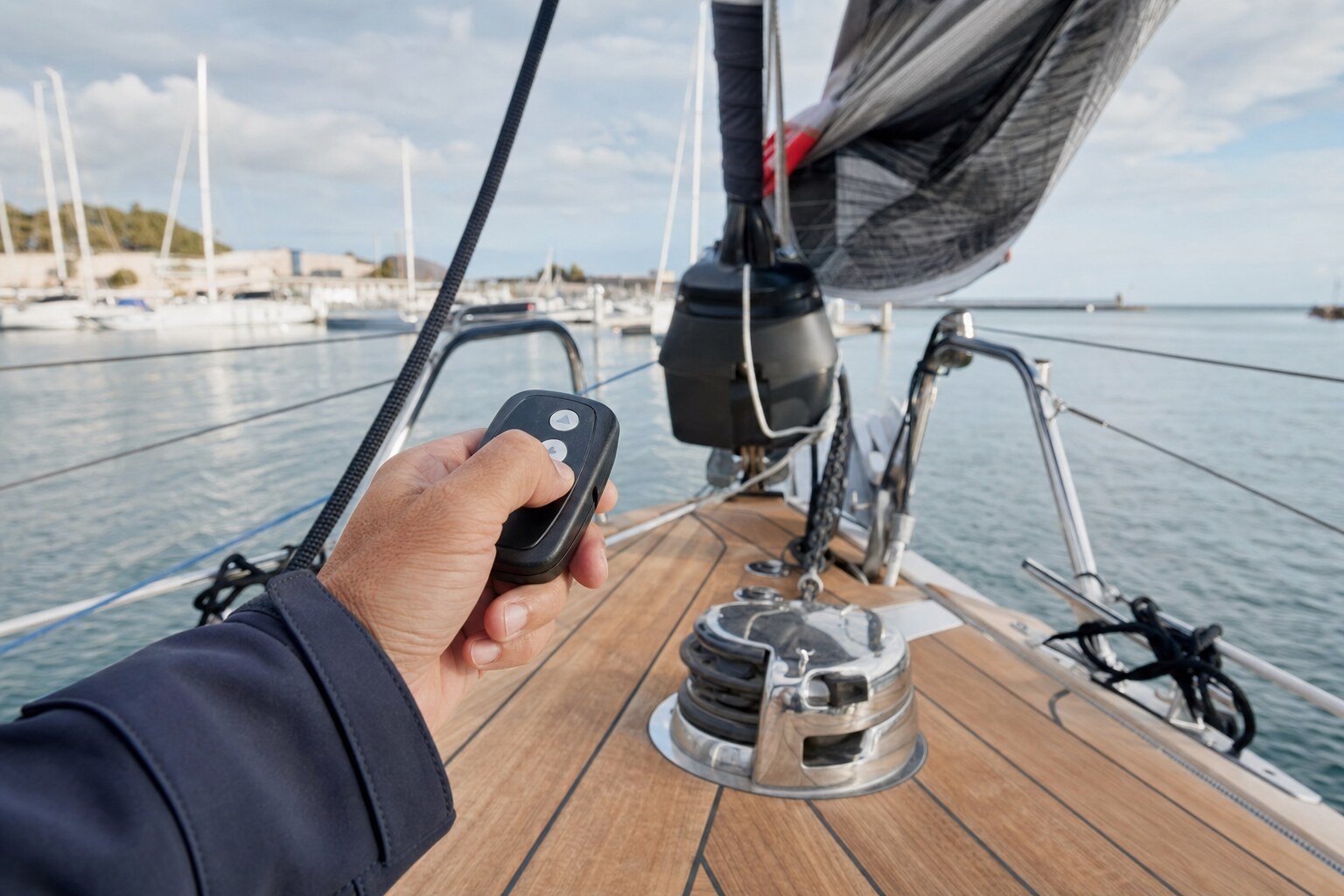
That is real money, but compare it to what you are getting: reefing from the cockpit instead of a foredeck sail change in building wind, and a sail that stows itself instead of a bag that lives in the v-berth. For most cruising sailors doing more than coastal daysailing, that trade is worth making once, properly, rather than living with a half-measure conversion for a decade.
Where DIY conversions go wrong
The mistake we see most often at 123Furling is not the furler installation itself, it is skipping the stack-up calculation and cutting the headstay to the old hank-on length, then finding the drum sits too high or the swivel binds under load. The second most common one is reusing a stretched, baggy hank-on sail because it "still has a few seasons left" and being disappointed with how it furls once it is on the new system, it rolls unevenly and leaves a hard lump at the foot. The third is buying a furler sized for the boat's LOA without checking the actual forestay diameter, which is the number that determines foil fit, not the length of the boat.
None of these are expensive mistakes to avoid, they just require doing the measuring before the ordering. Not sure which system fits your rig or whether your current sail is worth converting? Use our product advisor to work through the numbers, or send the forestay diameter and luff length to info@123furling.com and we will tell you straight whether conversion or a new sail makes more sense for your boat.