

Most sailors ask the wrong question first. They go to a chandlery and say "I need a genoa furler" without knowing that two boats of the same length can require different furler models depending on their displacement, rig type and forestay diameter. Boat length is the starting point, not the answer.
This is a practical breakdown by boat size range, with specific model recommendations and real price comparisons across the three systems you will most commonly encounter: the Seldén Furlex, Profurl C-System and Harken MKIV.
Why boat length alone does not decide the model
A 38-foot Bavaria has a very different rig load from a 38-foot Hallberg-Rassy. The Bavaria is lighter (around 7 tonnes displacement), with a fractional rig and a relatively short forestay. The Hallberg-Rassy runs to 12 tonnes with a masthead rig, a longer stay and a heavier genoa. Both are 38-foot boats. One fits a Furlex 200 series comfortably, the other needs the 300.
The deciding factors, in order of importance:
- Forestay diameter - the hard constraint. The drum must accept your wire diameter exactly.
- Stay length from tack pin to masthead pin - determines foil length.
- Displacement and sail area - heavier boats with larger genoas generate more load on the furling system.
- Boat length - a useful rough guide, not a precise selector.
At 123Furling, the most common ordering mistake we see is customers who measure boat length but not forestay diameter. Our product advisor asks for the right measurements from the start.
30 to 36 feet: the Furlex 200 range
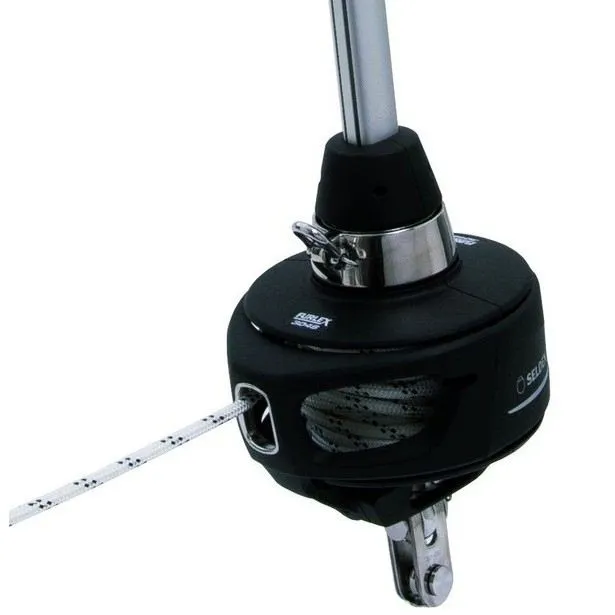
For most boats in this range, the Seldén Furlex 200 series handles the job. The 200S accepts forestays from 6 to 8mm and foil lengths up to 14 metres, covering the majority of fractional and masthead rigs in the 30-35ft range.
Boats that typically fit the Furlex 200:
- Beneteau First 31.7 (8mm forestay, stay length approximately 13.5m)
- Jeanneau Sun Odyssey 32 (7-8mm forestay)
- Bavaria 32 (8mm forestay, fractional rig)
- Catalina 36 (8mm forestay)
Where the 200 starts to feel borderline: a 35-36ft boat with a masthead rig, a full-size 135% genoa and offshore ambitions. In that case, the load on the furling system pushes you toward the 300 series even though the boat length technically fits the 200.
The Harken MKIV System at €2,700.00 covers this size range with its Unit 1, rated for boats to approximately 12.2m. For a 32-foot coastal cruiser, the price difference between a Furlex at €799.80 and a Harken at €2,700 is hard to justify on performance grounds. The Furlex is a well-proven system used on thousands of European cruising boats in this size range.
37 to 43 feet: where most sizing mistakes happen
This bracket spans two Furlex models (300 and 400), two Profurl sizes (C-350 and C-400) and two Harken MKIV units. Getting the right one requires knowing your forestay diameter, not just your LOA.
For boats with 8-10mm forestays, which is the most common range for 37-43ft production cruisers, the Furlex 300S is the standard choice. It accepts forestays from 8 to 10mm and foil lengths up to 18 metres. Typical fits:
- Bavaria 38, Bavaria 40 (8-9mm forestay, fractional rig)
- Jeanneau Sun Odyssey 389, 409 (9mm forestay)
- Beneteau Oceanis 38.1, 40.1 (8-9mm forestay)
- Hallberg-Rassy 37 (10mm forestay, heavy displacement - the 200 is not enough here)
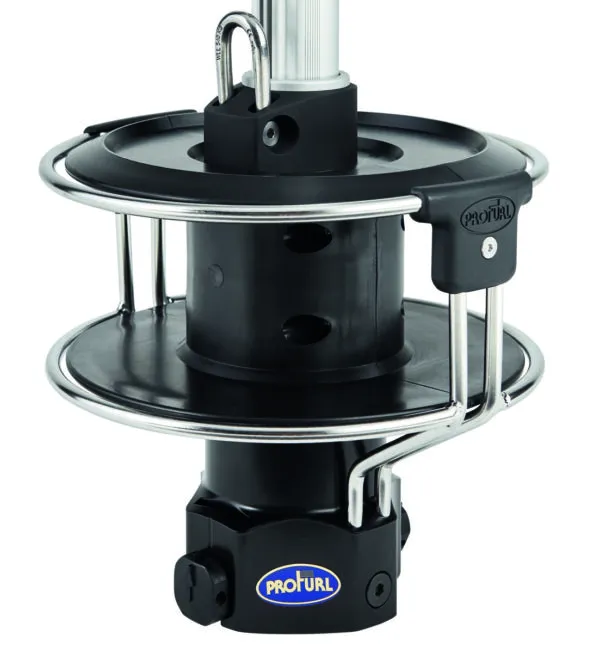
The Profurl C-System at €1,482.49 is the most popular alternative in this range. The C-350 targets 35-38ft boats directly, with 8mm forestay compatibility. It has a strong following in France, Spain and the Mediterranean more broadly, and spare parts are widely available in southern European harbours. If you spend your summers between the Balearics and the French Riviera, that matters.
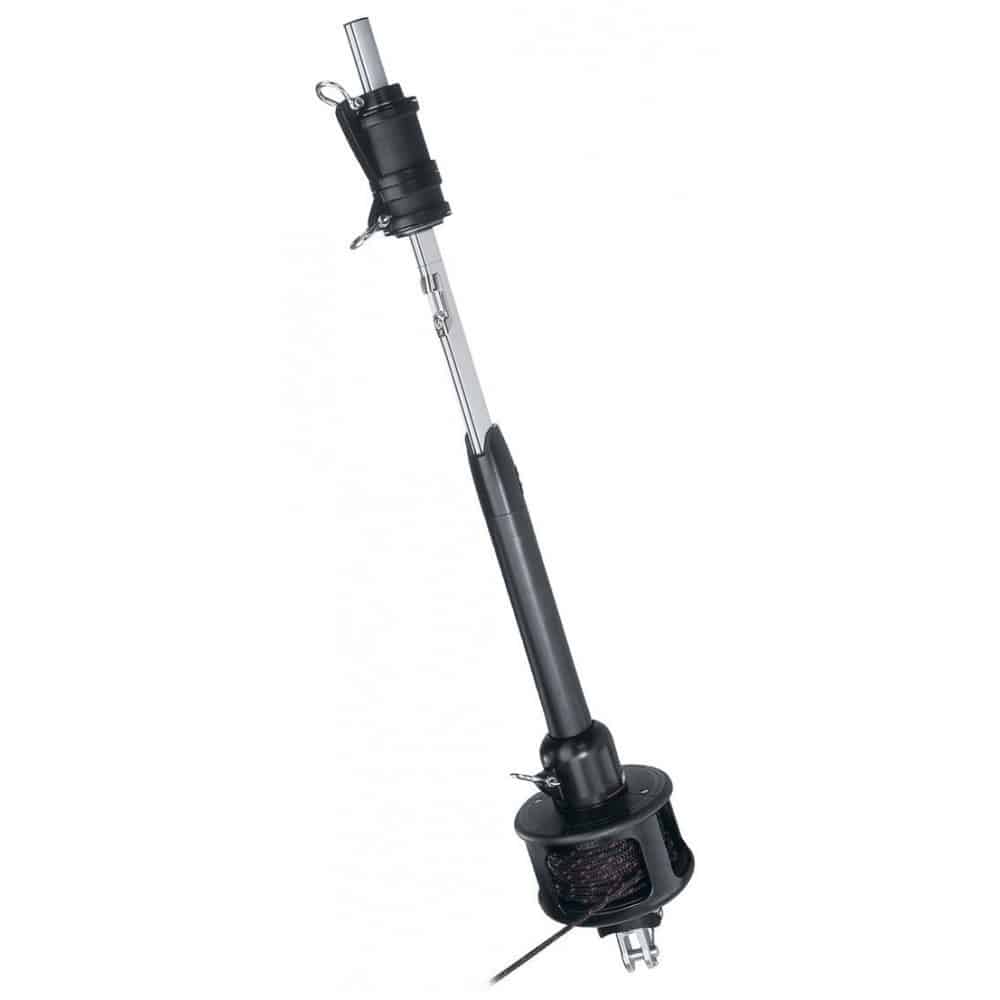
The Harken MKIV Unit 2 covers boats up to 14.2m. Its single-piece extruded foil and Torlon bearings give it an edge for offshore passages where maintenance opportunities are limited. A sailor preparing for an Atlantic circuit will find the extra investment easier to justify than a North Sea weekend cruiser.
44 to 50 feet: when the 400 series takes over
At this size you are typically looking at 10-12mm forestays and stay lengths over 18 metres. The Furlex 400 accepts forestays up to 12mm. The Harken MKIV Unit 3 covers boats up to 18.3m.
One important point for boats in this range: length alone is a poor guide. A 45ft racing cruiser with a carbon rig and 10mm forestay may fit the Furlex 300 range comfortably. A 44ft classic cruiser with a heavy aluminium mast, 12mm forestay and an 80m² genoa needs the 400. The sail area and displacement drive the load, not the length on the hull certificate.
At 123Furling, we recommend customers in this size range send their measurements before ordering: forestay diameter at the swage, stay length, and clevis pin sizes at tack and top. A five-minute email saves a return shipment.
Standard, through-deck or electric: the second decision
Once you know the size model, you choose the installation variant:
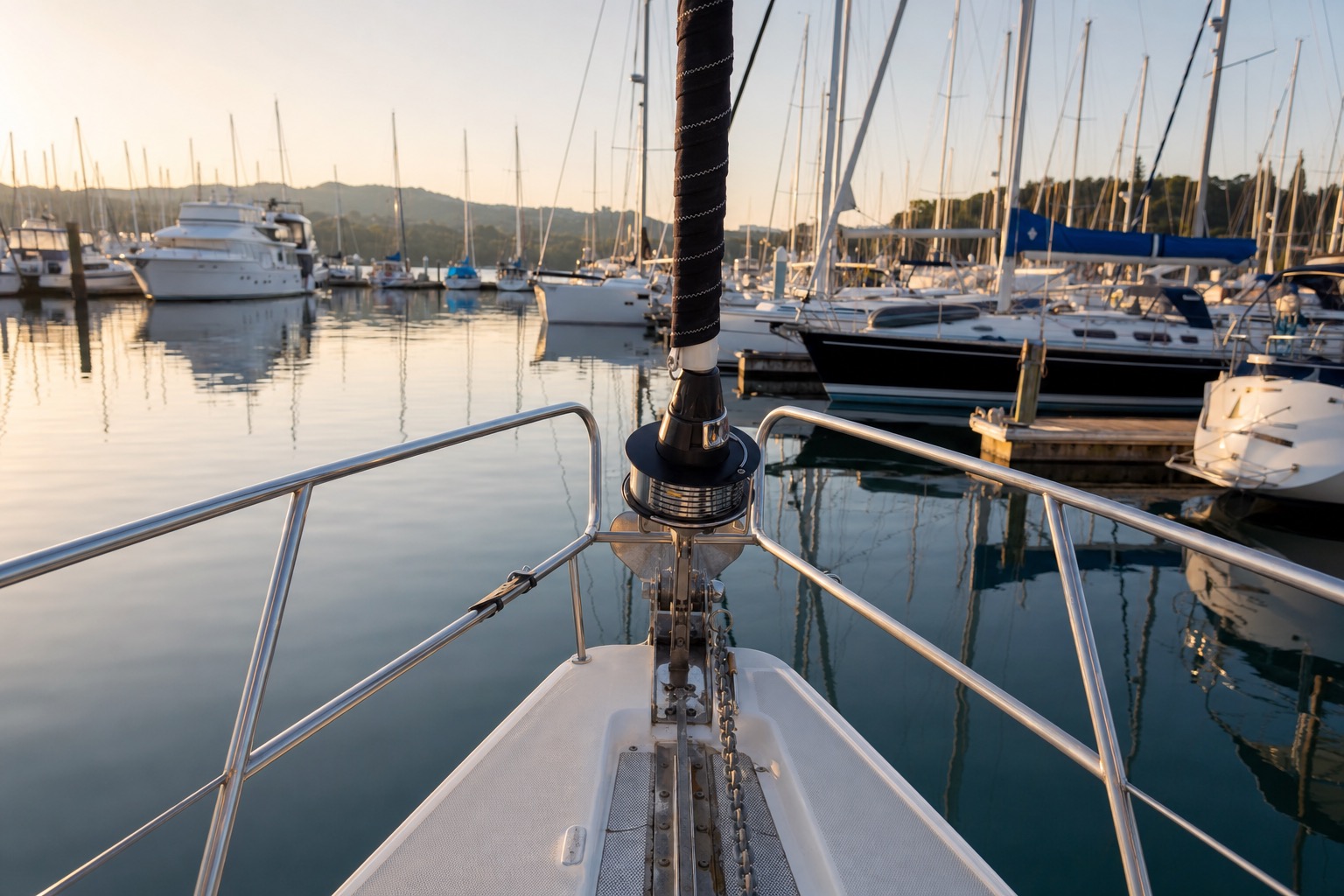
- Standard (on-deck drum): The most common setup. Drum sits on deck above the bow fitting, furling line runs back to a cockpit winch or cleat. The Seldén Furlex standard version starts at €799.80.
- Through-deck: Drum below deck, line exits through a gland fitting. Cleaner foredeck, better line geometry for boats with all lines led aft. The Seldén Furlex Through Deck is €2,843.20. The price difference reflects installation complexity more than the hardware itself.
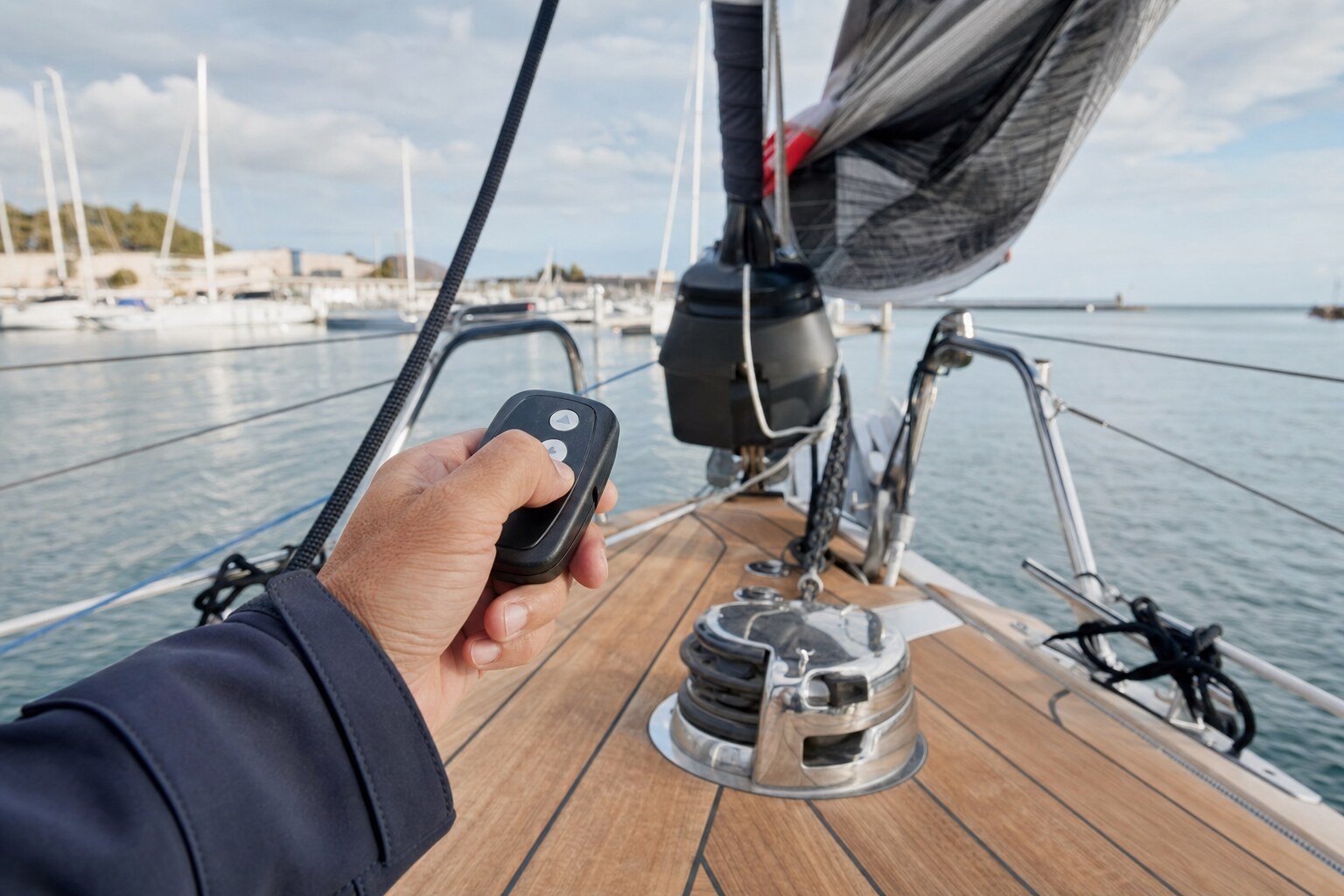
- Electric: Motor-driven furling from the cockpit. The Seldén Furlex Electric at €3,396.58 is aimed at short-handed sailing, offshore passages and crews who find a heavy genoa in 25 knots difficult to furl manually. Installation requires a 42V DC circuit and professional wiring work.
For most 30-43ft coastal cruisers, the standard on-deck drum is the right call. The through-deck makes sense when you have a fully led-aft cockpit and value a clean foredeck for anchoring. The electric version pays for itself in comfort on longer passages or for solo sailors.
The price gap: what you actually get for €800 versus €2,700
The Seldén Furlex and the Harken MKIV are often compared directly. The honest breakdown:
- Bearings: Harken uses sealed Torlon bearings requiring no lubrication. Furlex uses quality stainless steel ball bearings that benefit from a freshwater rinse after saltwater use.
- Foil: Harken uses a single-piece extruded foil with no mechanical joints. Furlex uses a sectional system - easier to ship and install, but with connections along the foil.
- Load capacity: Both systems are rated well above the loads of a correctly sized installation. For a 38ft boat with a standard genoa, neither is overloaded in normal sailing conditions.
The Profurl C-System at €1,482.49 sits in the middle: French engineering with a fully serviceable design, stronger bearings than entry-level alternatives and a proven record across the Mediterranean and Atlantic.
The practical answer: for European coastal cruising up to the Azores and back, the Furlex is a solid, cost-effective choice. For an offshore circumnavigation or a Blue Water Rally departure, the Harken or a premium Profurl system is easier to justify.
Before you order: measure these three things first
Three measurements determine your options:
- Forestay wire diameter (measure at the swage terminal or toggle, not the foil)
- Forestay length from tack pin to masthead sheave pin
- Existing clevis pin diameters at tack and masthead
These numbers tell you exactly which systems are mechanically compatible with your rig, regardless of what your boat's brochure says. Rigging is often modified from factory spec, especially on boats over 15 years old.
For the technical sizing explanation by forestay diameter, see our post on genoa furler sizing and forestay diameter. For a full brand comparison including Facnor, read our Furlex vs MKIV vs Profurl vs Facnor article.
Questions about your specific setup? Use our product advisor or send your measurements to info@123furling.com and we will confirm which system fits before you order.