

Most sailors planning an electric genoa furler upgrade have already decided they want one. The question left is which model, how much it will cost beyond the list price, and what to watch out for during installation. The Seldén Furlex 204E and 304E are the most common choices for 30-45 foot cruising boats, and this guide covers all three questions with specific data.
How the Furlex Electric actually works
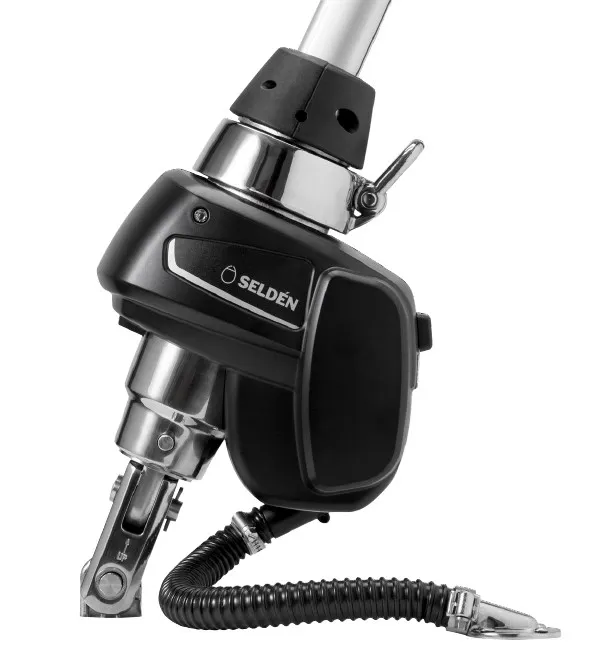
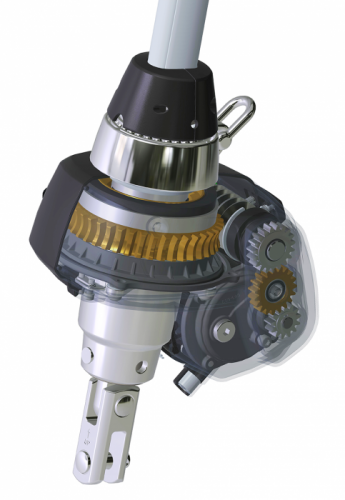
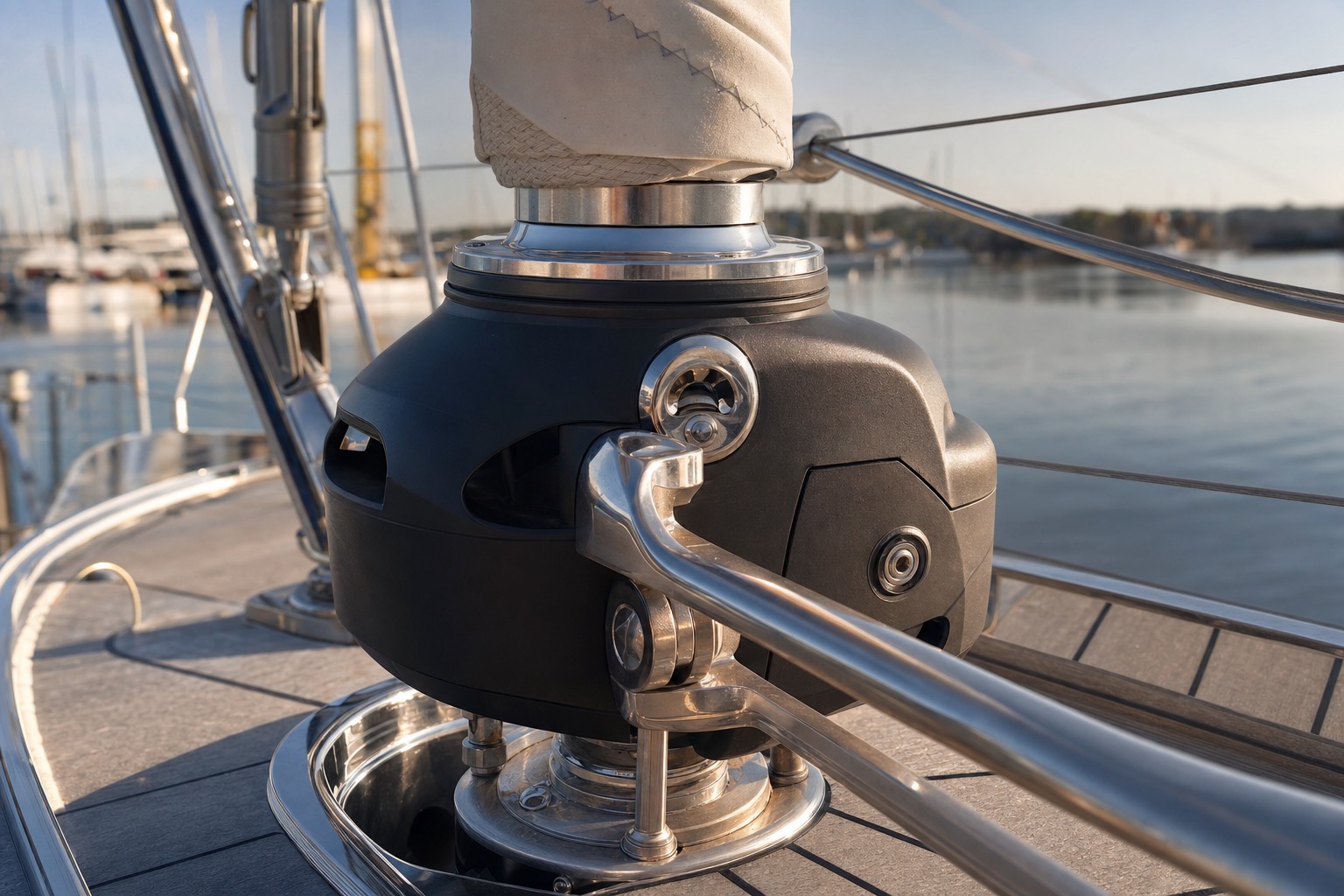
Understanding the motor system matters before you buy, because the installation requirements follow directly from it. The Furlex Electric uses a 42V DC motor with a self-locking 40:1 worm gear. The motor housing is sealed and individually pressure-tested at the factory.
Your boat runs on 12V or 24V. The system includes a DC/DC converter that steps up to 42V for the motor. The benefit is that the cables from the converter to the drum can be thinner and lighter than if you were running at 12V (higher voltage means lower current for the same power). At normal load, the system draws 10-25 amps from your boat's 12V or 24V bus.
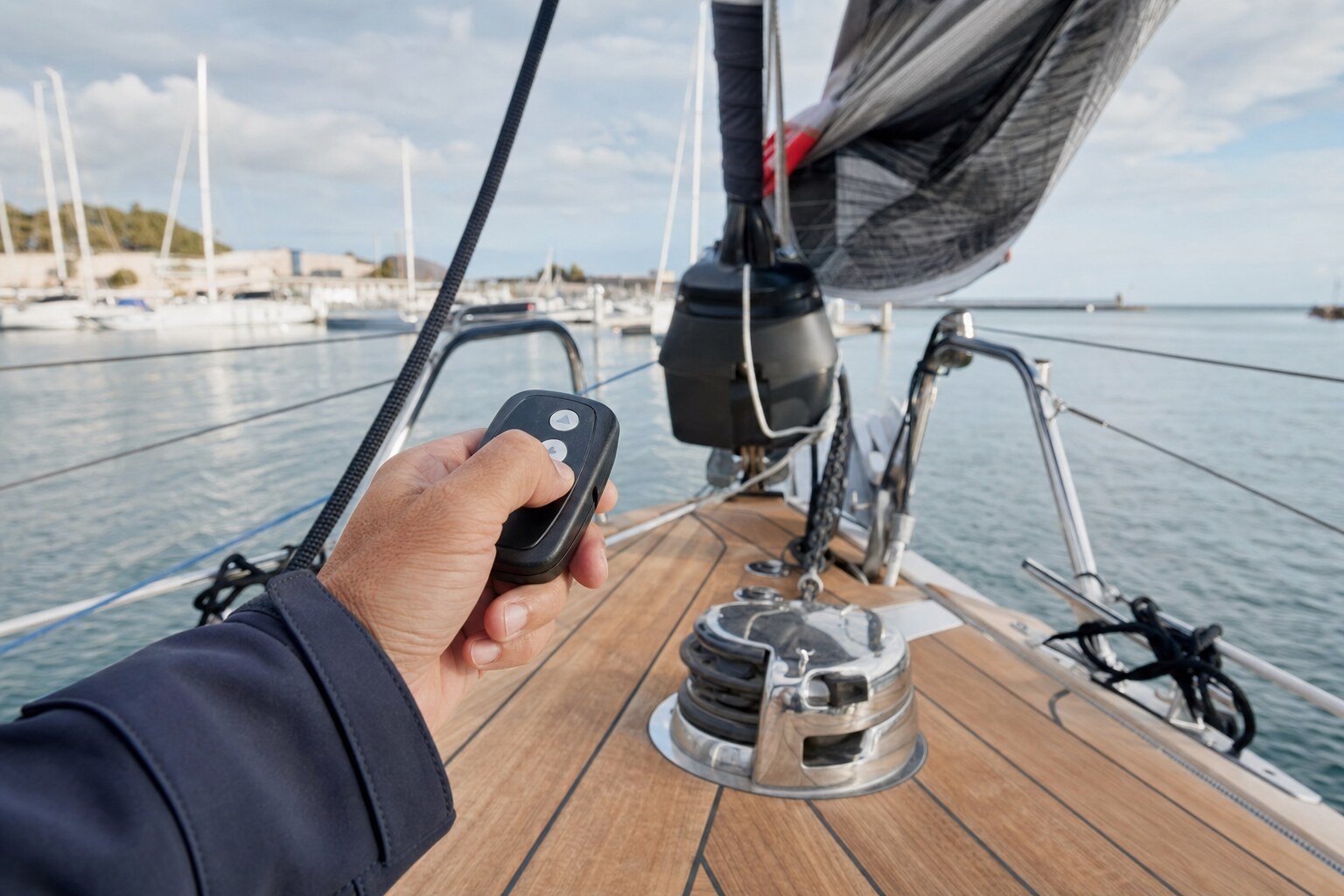
Control is via Seldén's SEL-Bus system. This matters: you cannot just connect the motor to any switch. You need Seldén's PSU Boat Start Pack and MCU Drive Unit Control Pack, which may or may not be included in your kit depending on where you buy. Check before ordering. The upside of the proprietary system is integration with other Seldén electronics; the limitation is that you're committed to Seldén components throughout the chain.
Operation is two-speed: low speed for precision trimming (single button), high speed for fast furling (both buttons simultaneously). Normal furling time for a genoa is 25-30 seconds. The self-locking worm gear means the sail won't unroll in gusts when the motor is off. If your battery dies offshore, a 1/2" socket on the starboard side of the drum allows emergency manual operation with the included line driver.
204E or 304E: matching the model to your forestay
The sizing decision comes down to forestay diameter, not primarily sail area or boat weight.
- Furlex 204E: Max torque 60Nm. Accepts 6mm or 7mm wire forestays. Available in lengths of 10.55m, 12.95m, 15.35m, and 17.75m. Designed for boats roughly 30-38 feet with genoas up to about 35m².
- Furlex 304E: Max torque 90Nm. Accepts 7mm or 8mm wire forestays. Designed for boats 38-45 feet with larger sail plans.
When your forestay sits exactly on the boundary between models - a 7mm wire on a 37-foot boat, for example - size up. The 304E working within its comfort zone runs quieter, lasts longer, and handles an unexpected sheet jam without tripping the breaker. At 123Furling, we consistently see that sailors who chose the smaller model at the boundary eventually wish they'd gone larger, particularly after a few seasons of hard use.
If you already have a manual Seldén Furlex 200S or 300S, there's a retrofit upgrade kit that converts your existing system to electric. This is often the most cost-effective path if your current furler foil is in good condition.
On-deck versus through-deck mounting
Both the 204E and 304E are available in on-deck (standard) and through-deck versions. The difference affects installation complexity, luff length, and long-term deck layout.
On-deck: The tack fitting sits on your foredeck. Straightforward installation, identical footprint to a manual Furlex, and easy retrofit for anyone upgrading from a 200S/300S. The furling line runs to a deck-mounted clutch or winch. On a typical 38-foot boat, on-deck is the right choice unless you're doing a major refit where the mast is coming down anyway.
The through-deck version runs the tack through the deck, hiding the drum below. You gain: maximum luff length, a cleaner foredeck, no trip hazard. The trade-off is a more complex installation (deck seal, routing below deck) and the fact that servicing the system requires access from below. On a boat where you're redoing the deck and interior anyway, it's worth it. On a boat you're sailing regularly, on-deck is usually more practical.
What the full installation actually costs
The system price is one number. The total installation cost is a different number, and that's what matters for budgeting.
The Seldén Furlex 204E and 304E retail at roughly €2,800-3,800 ex VAT in Europe depending on the distributor and configuration. The retrofit kit for an existing manual Furlex is typically €2,300-2,500. These prices don't include what you'll spend getting it working on your boat:
- Electrical installation: Running 42V-capable cable from the DC/DC converter to the foredeck, installing the PSU, connecting to your panel. Expect 3-5 hours of marine electrician time at €80-120 per hour. Budget €300-600.
- Rigging work: The forestay needs to be replaced with the new Furlex forestay, which means either stepping down the mast or at minimum releasing the forestay at the tack. For an on-deck retrofit, budget €200-400 for rigging time if you're not doing it yourself.
- PSU and control pack: If not included in your kit, add Seldén's PSU Boat Start Pack and MCU Drive Unit Control Pack. Verify what's in your specific kit before ordering to avoid surprises.
Realistic total budget for an on-deck installation on a 35-40 foot boat: €4,500-5,500. The through-deck version adds another €300-500 for the deck penetration work and additional electrician time.
For context: a complete manual Seldén Furlex 200S retails around €1,100-1,400. The electric premium is real. About half the sailors who contact 123Furling about electric furler upgrades stick with manual once they see the total cost breakdown - and that's a perfectly rational choice, particularly for boats under 38 feet that aren't used for offshore passages.
Three things that catch sailors out
1. The breaker trips in wind. Multiple experienced sailors on YBW and Cruisers Forum have reported the breaker tripping when trying to furl in stronger winds with a slightly loaded sheet. This is a designed safety feature, not a fault - the motor protection kicks in before the sail or gear can be damaged. But it means the system isn't as hands-off as marketing suggests. When it's really blowing, you still need to ease the sheet first, same as with a manual system.
2. Cable sizing. At 12V, 25 amps means significant current. Undersized cables cause voltage drop at the converter, which causes the motor to labor and the electronics to work harder. A marine electrician familiar with high-current systems is worth the cost here. Seldén's installation manual is specific on cable gauge requirements by run length.
3. SEL-Bus lock-in. The system is proprietary. Future additions - chartplotter integration, autopilot connections - need to be Seldén equipment to use the bus natively. This isn't a dealbreaker, but it's worth knowing before you commit.
Which boats benefit most from electric furling
The honest answer from looking at who actually uses these systems well: electric genoa furlers make most sense for sailors who are single-handing a boat 38 feet and above, couples where one crew is managing the helm while the other handles the foredeck, and anyone whose shoulders have started giving them trouble after 20 years of crewing.
For weekend coastal sailing on a 32-footer, the manual Furlex handles a genoa without strain and costs a fraction of the electric alternative. For more on the decision, read our comparison of manual versus electric furling systems and our overview of genoa furler choice by boat size.
Not sure which system suits your sailing profile? The 123Furling product advisor walks through boat size, forestay diameter, and sailing style to give you a specific recommendation. Or send your boat details to info@123furling.com - we'll give you an honest assessment of whether electric makes sense for your setup, or whether the manual system is the better call.