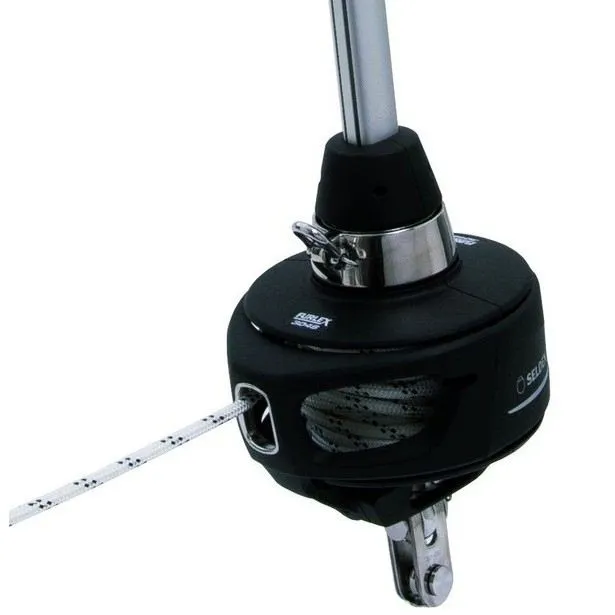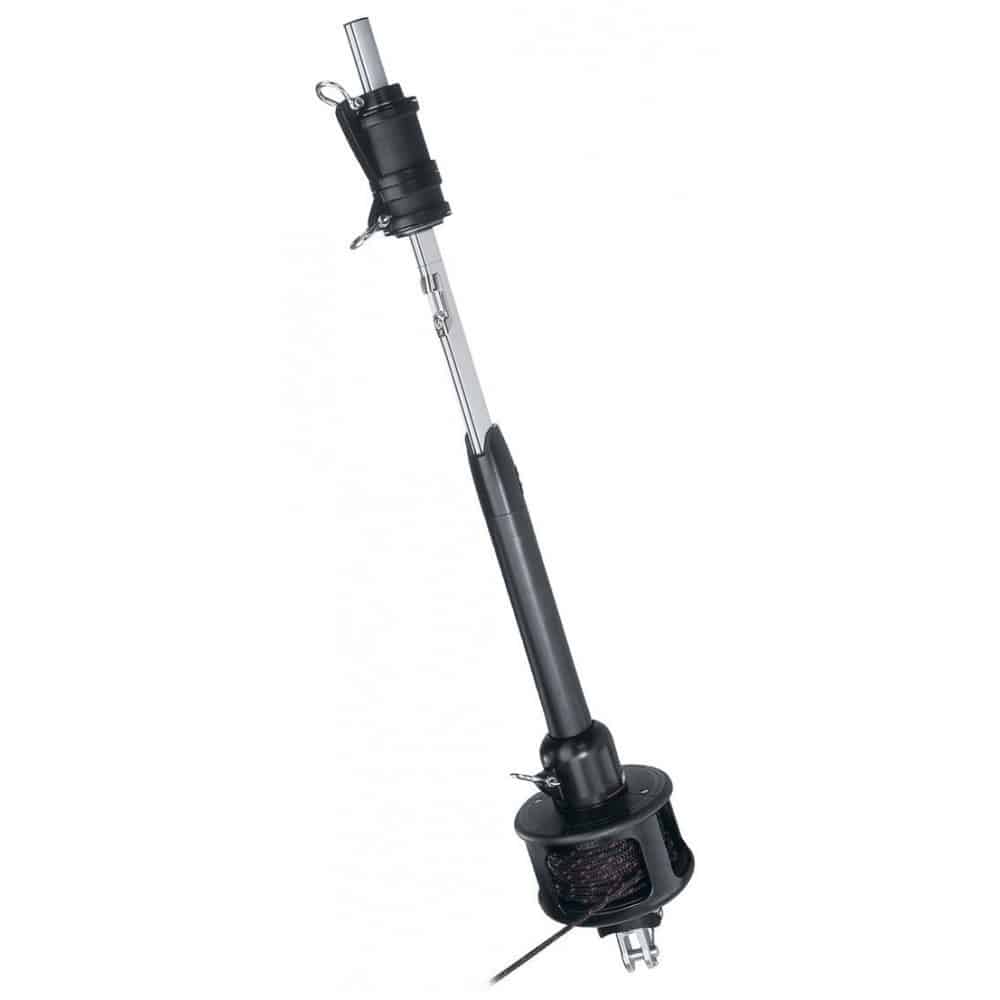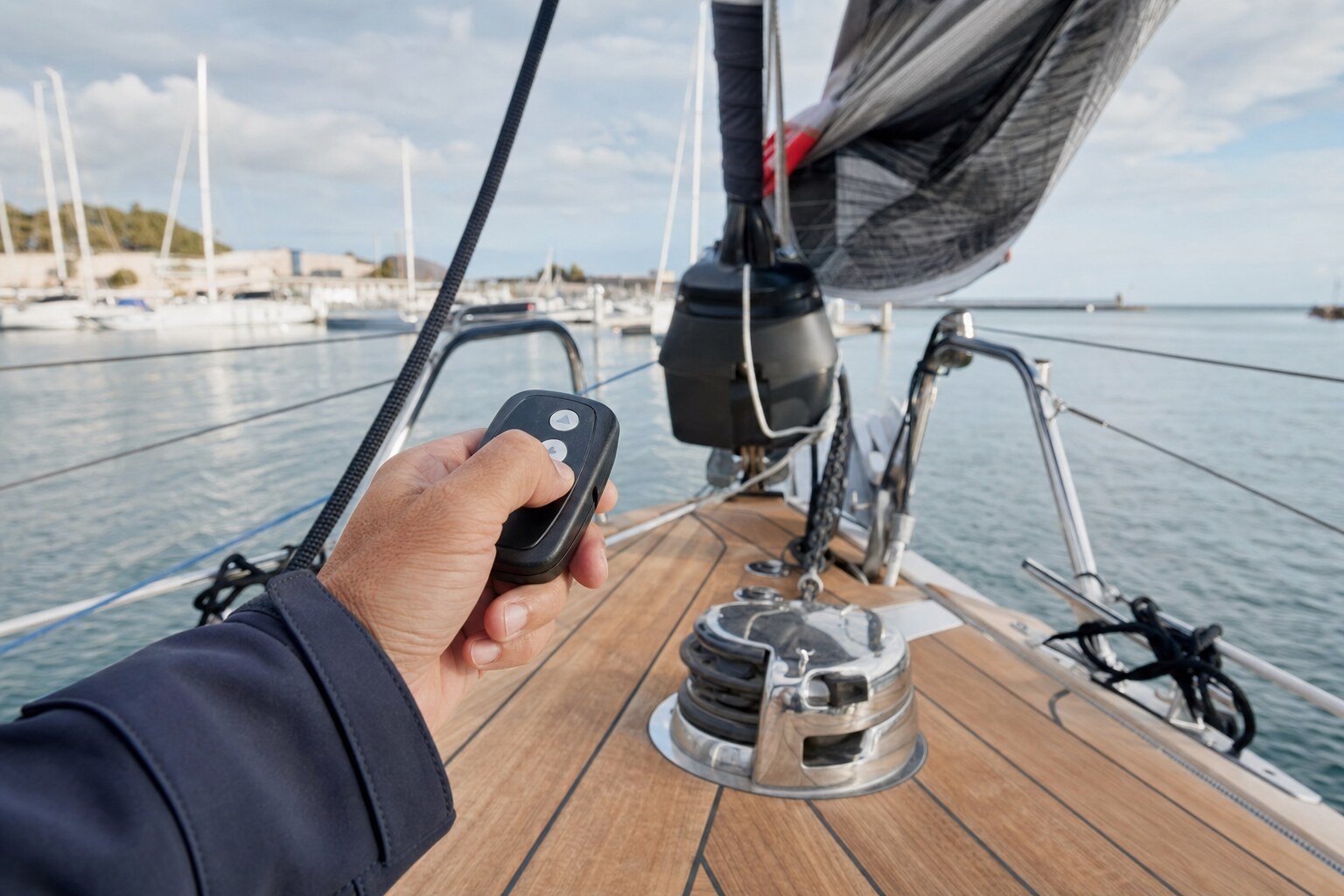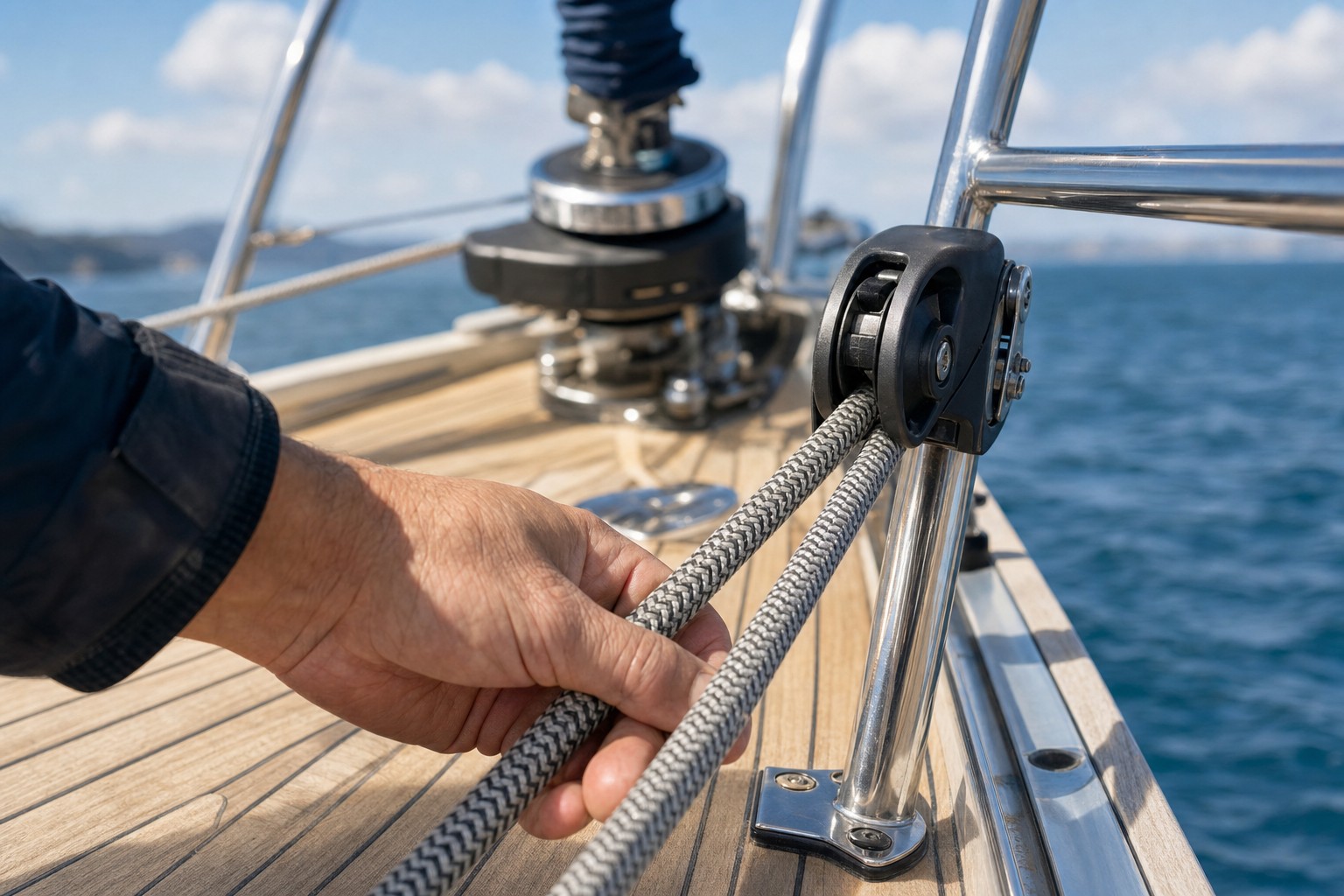


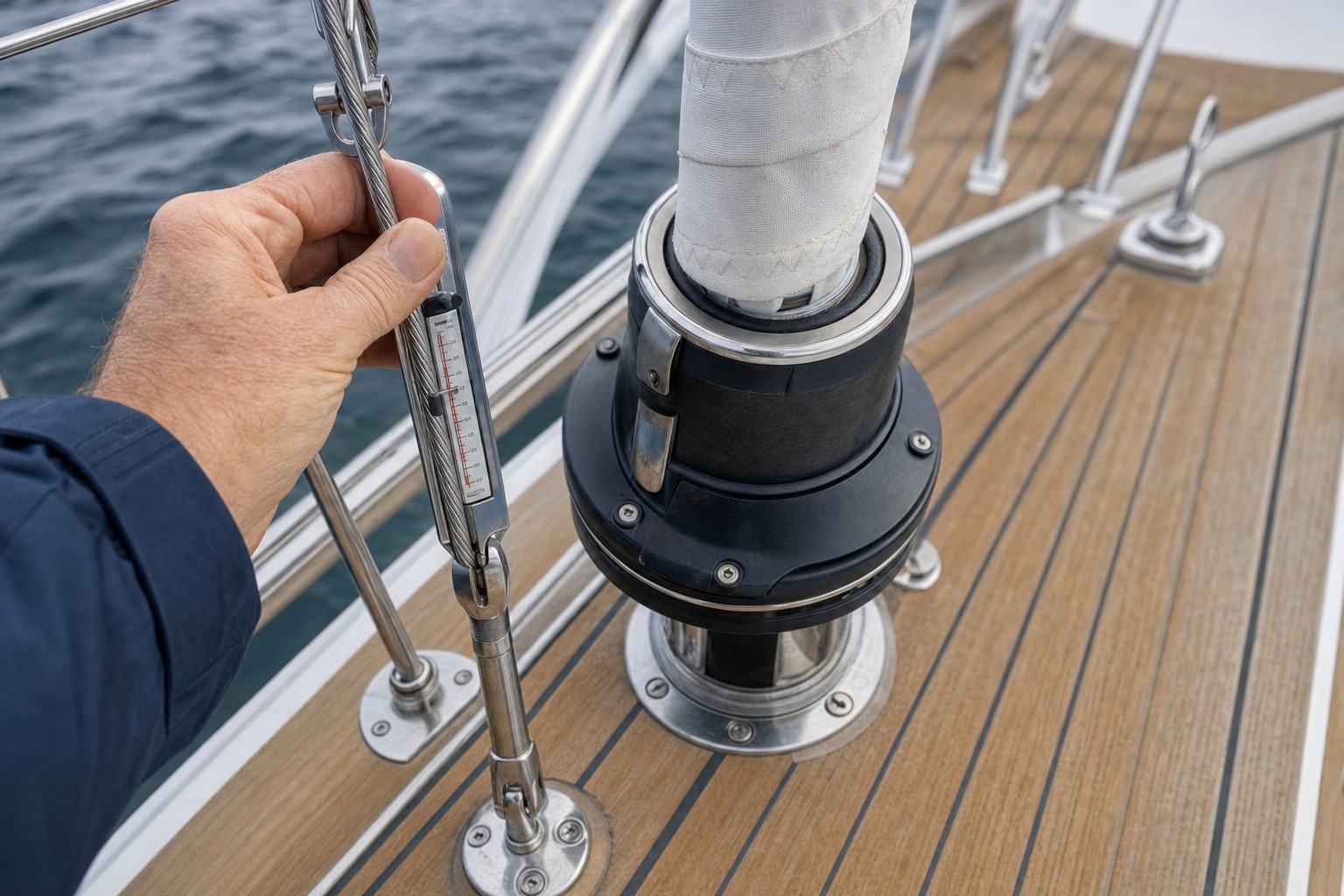
Every furling genoa problem gets blamed on the same three things: the sail is old, the furler is worn, or the bearings need grease. Half the time it is none of those. It is forestay tension, and most sailors never check it because you cannot clip a Loos gauge onto a wire once it is buried inside a foil.
At 123Furling we get this question constantly from customers troubleshooting a genoa that furls hard or comes in looking like an hourglass, fat in the middle, pinched at head and foot. Before you blame the furler, check the rig.
What too little forestay tension actually does
A slack forestay sags to leeward under load. The foil bolted to it is only as straight as the wire inside it, so when the forestay bows, the foil bows with it. That has two consequences. First, sail shape: the genoa gets extra draft forward and pointing ability drops, because the luff is no longer a straight line from tack to head. Second, and more relevant to a webshop selling furling hardware, furling performance: a curved foil does not rotate as a clean cylinder. The sail wraps unevenly along its length, which is exactly what produces the hourglass shape and the "why is this so hard to roll in" feeling on deck.
One Cruisers Forum thread on a 36ft catamaran with a Furlex system described a genoa that was "really difficult to furl, only furlable by hand under 10 knots on a reach." That is a textbook sag symptom, not a bearing failure. If your furler binds evenly at one exact point in the rotation every single time, that is more likely a seized top swivel or a slipped foil section. If it furls unevenly and gets progressively harder as wind builds, look at the rig first.
How much tension is actually correct
General rigging consensus, echoed in Seldén's own Furlex manuals, puts forestay tension at roughly 15 to 20 percent of the wire's breaking load on a masthead rig. The problem is measuring it. You cannot gauge the forestay directly once it is inside a foil, so Seldén's documented workaround is to set it via the backstay instead: tension the backstay to around 15 percent of its own breaking load (assuming the same wire diameter), and the geometry gives you correct forestay tension. On fractional rigs with swept spreaders, there is no backstay doing that job, so cap shroud tension needs to run higher, often 20 to 25 percent of breaking load, to achieve the same result indirectly through the spreaders.
If you do not own a tension gauge, there is a field check riggers use: with a Furlex or similar system installed, grab the foil about 2 metres above the deck and pull it sideways by hand. A few centimetres of give is normal. If you can deflect it 15 to 20cm with light hand pressure, the rig is too loose. One YBW thread on an 11 metre forestay set the practical limit at roughly 25cm of sag measured mid-span before it starts to visibly hurt the furl.
Why "just crank the backstay" is not the whole fix
Backstay tension is the lever most cruisers have easy access to, and Sailing Anarchy's cruising advice leans toward erring on the tighter side "so the furler rotates freely." That is broadly correct, but there is a sequencing trap. Easing the backstay to depower before a squall lets the forestay sag more than you can see from the cockpit, and a slack wire inside a foil can bunch or kink under load, which is a rig safety issue, not just a sail shape one. The other overlooked variable is halyard tension. Facnor's own guidance is to keep the genoa halyard taut when hoisting and furling, but to stop tightening the moment the vertical folds in the luff disappear. Overtightening the halyard adds friction at the swivel independently of what the forestay is doing, and a lot of "the furler is stiff" complaints trace back to this rather than the rig.
The order matters: set backstay tension first, then hoist and tension the halyard. Hoisting a genoa against a slack forestay loads the halyard and the top swivel far more than the rig was designed for, which is how swivels wear out early on boats that otherwise sail gently.
Matching this to your furler, not just your rig
The correct tension range also depends on which furler and wire size you are running, which is why forestay diameter and system sizing matters before you even get to tuning. A Seldén Furlex sized for a 32-footer and a Harken MKIV sized for a 45-footer are built around different wire diameters and different expected tension ranges. If you have recently upsized a boat or swapped furlers, do not assume your old tuning numbers still apply.
Bigger boats can carry visibly more sag than small ones before it becomes a problem. One experienced Sailnet poster called roughly a foot of visible leeward sag upwind normal on a larger cruising yacht, while 6 to 8 inches of deflection from hand pressure alone was flagged as excessive on a smaller boat. There is no single number that works across a 28-footer and a 50-footer. Get a baseline reading when the rig is freshly tuned by a rigger, note the backstay gauge reading, and use that as your reference point going forward rather than a generic percentage.
The five-minute check before you blame the furler
Next time your genoa furls unevenly or comes in looking pinched at the ends, do this before calling a rigger: ease the backstay slightly and re-furl to see if it gets harder or easier. If easing it changes the furl noticeably, tension is your variable. If the furler binds at the exact same spot regardless of backstay setting, that points to the top swivel or a slipped foil section instead, and it is worth reading through what actually causes a furling genoa to jam before you start disassembling hardware that was not the problem in the first place.
Not sure whether your current setup is even sized correctly for your boat? Send us the forestay length and wire diameter at info@123furling.com and we will tell you straight whether it is a tuning issue or a hardware one.